
Carotid artery disease occurs when plaque builds up in the carotid arteries of the neck, narrowing the vessels that supply blood to the brain. It is a leading cause of stroke, yet it often causes no symptoms until a transient ischemic attack (TIA) or stroke occurs. Early detection allows for less invasive treatments and can significantly reduce the risk of disabling stroke.
Carotid artery disease often has no symptoms until a TIA or stroke occurs, with warning signs like weakness, speech difficulty, or vision loss requiring urgent care. Risk factors include hypertension, cholesterol, smoking, and diabetes. Treatment ranges from lifestyle changes to surgery. APEX Vascular provides expert evaluation, early detection, and personalized treatment to reduce stroke risk and protect long-term vascular health.
When to Worry: Symptoms and Risk of Carotid Artery Disease
Most people with carotid artery disease feel perfectly fine until they have a TIA (“mini‑stroke”) or full‑blown stroke. When symptoms do appear, they come suddenly and are often alarming:
- Sudden weakness or numbness on one side of the body
- Trouble speaking or understanding others
- Vision changes, especially in one eye
- Severe headache with no clear cause
- Dizziness, or loss of balance or coordination
These are red‑flag signs and require immediate medical attention because they signal reduced blood flow to the brain.
Common risk factors that should raise concern include:
- High blood pressure
- High cholesterol
- Smoking
- Obesity
- Diabetes
- Over the age of 50
- A family history of stroke or heart disease
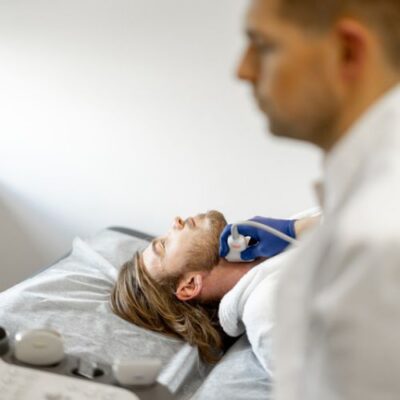
A vascular‑focused assessment—such as a carotid ultrasound and a vascular medicine consult—may be necessary if you have several of these. It can detect silent narrowing before a stroke strikes and guide preventive treatment.
Medical Management: First-Line Treatment
Medical management is usually the first‑line approach for mild or early‑stage carotid artery narrowing, often avoiding surgery or procedures altogether. Treatment focuses on:
- Blood‑pressure control
- Statins to lower cholesterol
- Antiplatelet therapy (such as low‑dose aspirin)
- Tight management of diabetes or other metabolic issues
Together with lifestyle changes, these medicines aim to stabilize atherosclerotic plaque, slow disease progression, and significantly reduce the risk of stroke. This makes them the cornerstone of care for many patients with carotid artery disease.
Lifestyle Changes That Make a Difference
Lifestyle changes are not just “good habits.” They’re actually active treatments for carotid artery disease that can meaningfully influence how the disease progresses.
Smoking cessation dramatically lowers inflammation and slows plaque buildup in the arteries. Quitting smoking lowers inflammation in the blood vessels and helps slow the buildup of plaque in the arteries. Managing weight reduces strain on the cardiovascular system and supports better control of cholesterol and blood pressure.
Eating a heart‑healthy, lower‑salt diet rich in vegetables, whole grains, and healthy fats helps stabilize existing plaque and keeps blood pressure in a safer range. Regular aerobic exercise improves circulation, reduces inflammation, and strengthens arterial health.
Together, these steps form the foundation of care for anyone under active monitoring or living with mild‑to‑moderate carotid narrowing. They help to slow disease progression and reduce stroke risk without surgery.
Minimally Invasive Procedures: Carotid Angioplasty and Stenting
Carotid angioplasty and stenting is a minimally invasive, catheter‑based procedure used to treat narrowed carotid arteries. The procedure begins with a small balloon being guided to the area of blockage and gently inflated to open the narrowed segment. A stent is then placed to help keep the artery open and maintain blood flow to the brain.
This approach is often performed under local anesthesia, through a small access site in the groin or arm. This typically means:
- Less discomfort
- A shorter hospital stay
- Quicker recovery than open surgery
It’s especially useful for patients who are not ideal candidates for traditional surgery. However, it is usually reserved for moderate‑to‑severe blockages and is only recommended after careful imaging and review of symptoms and overall health.
Transcarotid Artery Revascularization (TCAR): A Modern Hybrid Approach
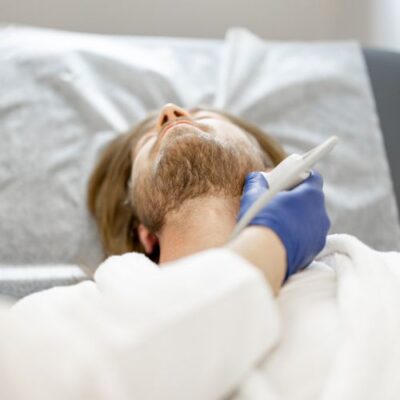
Transcarotid artery revascularization (TCAR) is a newer, minimally invasive hybrid procedure used to treat carotid artery disease. It works by combining direct access to the carotid artery with temporary blood‑flow reversal to protect the brain.
During TCAR, a small incision is made at the neckline and a sheath is placed directly into the carotid artery. Blood is then reversed away from the brain and filtered before being returned through a vein in the leg, helping to prevent loose plaque from traveling to the brain. A stent is deployed to open the narrowed segment while the brain receives oxygen from other arteries.
TCAR is often chosen when anatomy or prior neck surgery makes traditional carotid surgery or standard stenting riskier. It can offer outcomes similar to open surgery with less tissue trauma, smaller incisions, and shorter recovery times.
Carotid Endarterectomy: The Gold‑Standard Surgery
Carotid endarterectomy is the traditional open‑surgical treatment for carotid artery disease. It involves making a small incision in the neck to access the carotid artery and physically remove the plaque lining the vessel wall. This directly restores blood flow to the brain and reduces stroke risk.
It remains a preferred option for many patients with severe narrowing or a history of stroke or TIA. This is particularly the case when the anatomy is favorable and the procedure is performed by an experienced vascular surgeon.
After surgery, most people spend several days in the hospital and then gradually return to normal activities over a few weeks. The recovery process follows a monitored recovery plan that includes wound care, blood‑pressure control, and follow‑up imaging.
How Your Vascular Specialist Chooses the Right Option
Vascular surgeons choose the right treatment by tailoring it to each person’s situation. The severity of narrowing, whether you’ve had symptoms, your age, overall health, prior surgeries, and your personal preferences all factor into the decision.
A thorough vascular exam combined with imaging such as duplex ultrasound, CT, or MR angiography helps your surgeon match you with the safest, most effective strategy. This is the case whether that’s medical therapy alone, stenting, TCAR, or carotid endarterectomy.
A board‑certified vascular specialist will clearly explain the risks, benefits, and long‑term follow‑up for each option. This ensures that you choose the approach that fits your body, lifestyle, and goals.

Carotid artery disease is often silent until a TIA or stroke occurs, with sudden symptoms like weakness, speech problems, or vision loss requiring immediate attention. Risk factors include high blood pressure, high cholesterol, smoking, and diabetes. Treatment ranges from lifestyle changes to surgery, with APEX Vascular offering expert diagnosis and personalized care.
APEX Vascular is a vascular surgery and vein center with locations in Knoxville, Oak Ridge, Lenoir City, Sevierville, Crossville, Decatur, and Harrogate, TN. We are dedicated to delivering personalized, high-quality care that goes beyond medical treatment. Our exceptional vascular staff, boasting extensive experience in vascular surgery, works tirelessly to elevate the standards of patient care and contribute to your overall well-being. Visit us online or call us at 865-562-3232 to request an appointment today!
I spend most of my free time on live tables and the dealers here are top notch. The streaming is crystal clear and the betting limits are flexible enough for both casual play and higher stakes. Cashouts are processed quickly and I never felt rushed. A really reliable spot for anyone who enjoys a proper casino atmosphere. nagaur88casino