Key Takeaways:
- While usually not life-threatening, complications from varicose veins can arise.
- Treatment options range from conservative approaches to minimally invasive procedures.
- For expert varicose vein treatment in East Tennessee, consider APEX Vascular, where experienced vein specialists provide personalized, high-quality care.
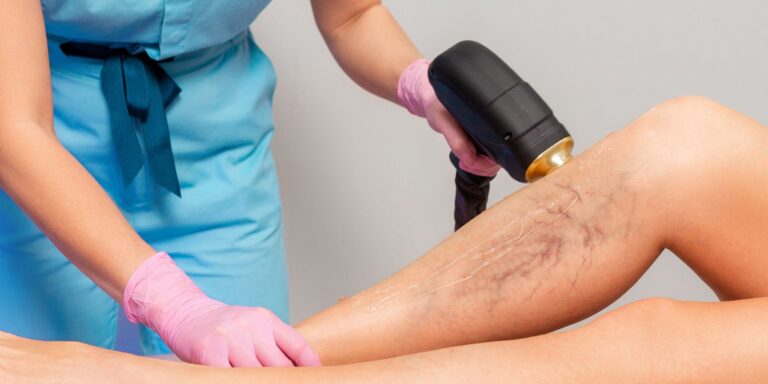
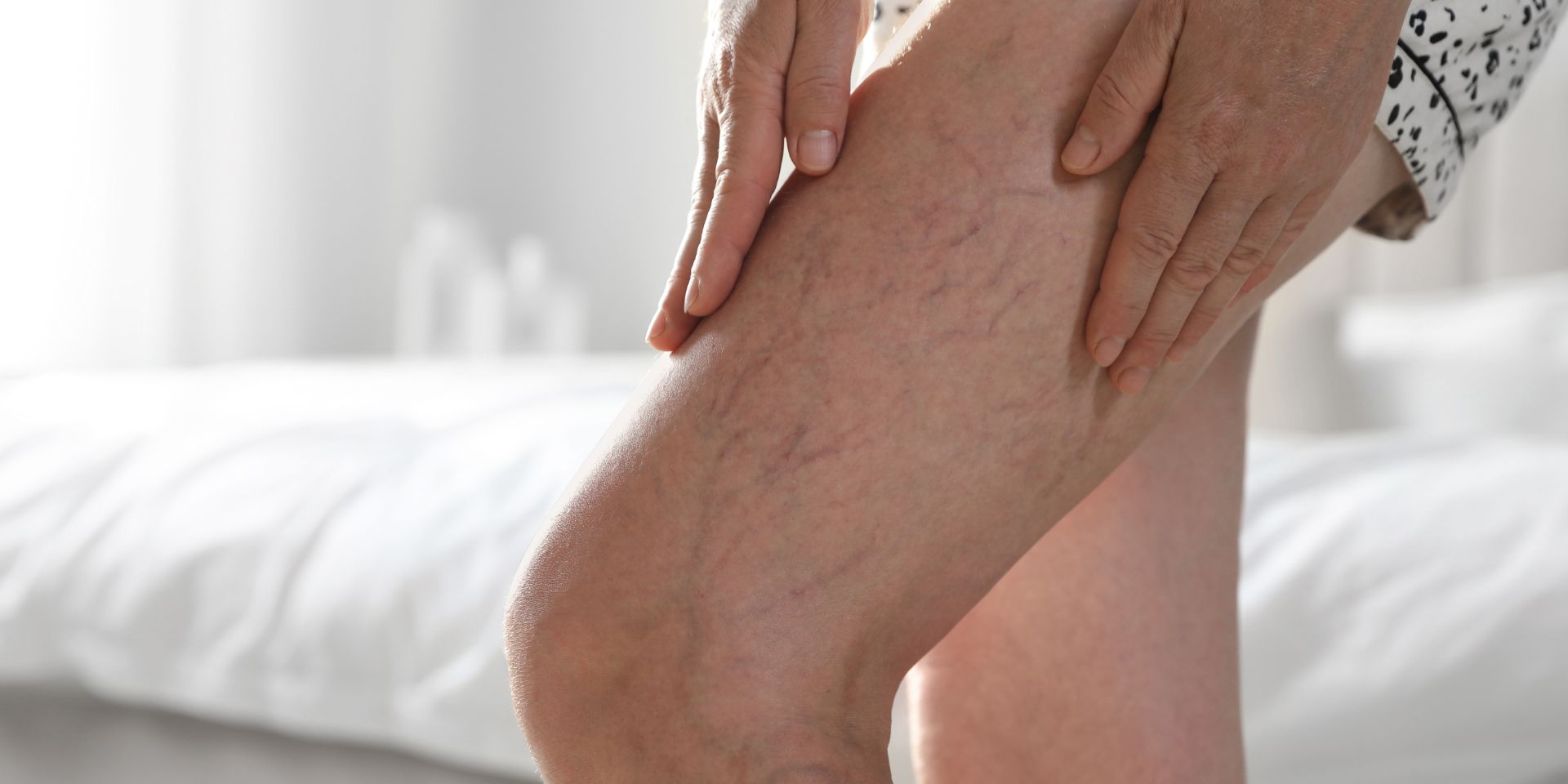
Varicose veins are swollen, twisted veins that appear under the skin, primarily in the legs. They affect many people at some point in their lives, although they’re more common in women and older adults. While often considered a cosmetic issue, varicose veins can cause discomfort, pain, and limitations in daily activities, impacting both physical and emotional well-being.
Varicose Veins Explained
Varicose veins occur when weak or damaged valves in the veins allow blood to flow backward and pool, causing the veins to swell.
Common symptoms typically impact the legs, which include:
- Aching
- Heaviness
- Burning
- Throbbing
- Swelling
Itching around the veins is also common.
Risk factors for developing varicose veins include:
- Age
- Being female
- Pregnancy
- Obesity
- Prolonged standing or sitting
- Lack of exercise
- Family history
Other contributing factors may include hormonal changes, smoking, and certain medical conditions.
Are Varicose Veins Dangerous?
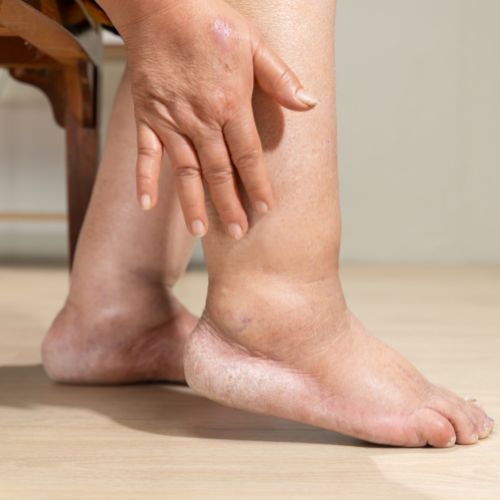
Are varicose veins dangerous? While most cases are not life-threatening, untreated varicose veins can lead to serious complications.
Skin changes and ulcers
Increased pressure in the veins can cause skin discoloration, particularly around the inner ankle and calf. In severe cases, this can lead to inflammation and the formation of venous leg ulcers, which are difficult to heal.
Bleeding
Varicose veins can rupture and bleed, especially if the overlying skin becomes thin and weakened. This can result in significant blood loss and, in rare cases, be fatal. This is a particular danger for those living alone or with physical or mental disabilities.
The risk of bleeding increases with factors such as trauma, heat exposure, and use of blood thinners.
Blood clots and deep vein thrombosis
Blood clots can form in deeper veins, leading to deep vein thrombosis (DVT)—a serious condition requiring immediate medical attention. DVT can cause a pulling sensation in the legs, increased redness, and swelling.
While the risk of severe complications is relatively low, it’s important to monitor varicose veins and seek medical advice if symptoms worsen or any of these complications occur.
When to Seek Medical Attention for Varicose Veins
Seek medical attention for varicose veins if you experience:
- Sudden pain and swelling in one leg, which may indicate deep vein thrombosis
- Bleeding from a varicose vein
- Non-healing ulcers or open sores on the legs
- Persistent pain, throbbing, or aching in the legs
- Significant swelling in the legs and ankles
- Skin changes, such as discoloration or itching around the veins
Early detection and treatment can significantly enhance quality of life and prevent more serious health issues, some benefits including:
- Prevent the progression of vein diseases
- Reduce the risk of complications
- Improve your overall vascular health
Timely treatment also allows for less invasive procedures. This can potentially reduce your treatment costs and improve medical outcomes.
Treatment Options
Treatment options for varicose veins range from conservative approaches to minimally invasive procedures and surgical interventions for severe cases. Conservative treatments include compression stockings and lifestyle changes.
Compression stockings provide gradient pressure to reduce blood pooling, while lifestyle changes can help alleviate symptoms and slow disease progression. These methods include:
- Regular exercise
- Weight management
- Avoid prolonged standing or sitting
Minimally invasive procedures have become increasingly popular. These include sclerotherapy, where a solution is injected to collapse the vein. Endovenous laser therapy (EVLT) and radiofrequency ablation (RFA) are popular options that use heat to seal off problematic veins.
For severe cases, surgical options like vein stripping or ligation may be considered. However, these are less common now due to the effectiveness of minimally invasive alternatives.
The choice of treatment depends on the severity of the condition, your preferences, and the recommendation of your vascular specialist.
Prevention Strategies
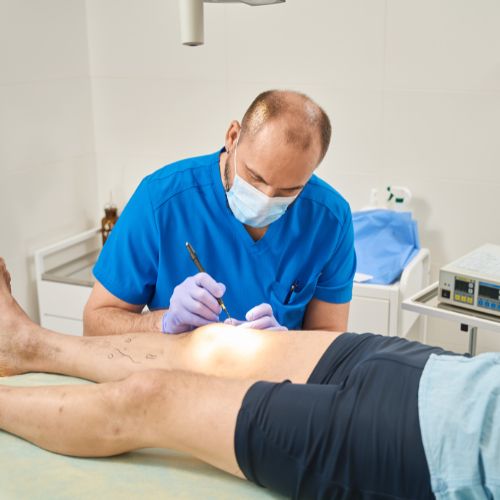
Preventing varicose veins requires adopting healthy habits that enhance circulation and reduce vein strain. Regular exercise like walking, cycling, or swimming for at least 30 minutes five days a week strengthens leg muscles and improves blood flow. A balanced diet of fruits, vegetables, and whole grains also reduces pressure on leg veins, improving valve function and circulation.
Avoiding prolonged periods of standing or sitting is crucial, as immobility can cause blood to pool in the legs. Taking breaks to move around or elevating your legs above heart level helps improve blood flow and reduces vein pressure.
These preventive measures can significantly lower the risk of developing varicose veins and alleviate symptoms for those already affected.
APEX Vascular is Your Partner in Varicose Vein Treatment
APEX Vascular is the perfect partner for varicose vein treatment in East Tennessee. Our experienced vascular staff is committed to personalized, high-quality care. Renowned for our comprehensive skills and dedication, we support you with the best possible outcomes while ensuring a meaningful healthcare journey.
At APEX Vascular, our interdisciplinary team educates and guides you through various treatment approaches, creating individualized plans tailored to help reach your goals. You’ll be greeted with a smile as we focus on patient-centered care with extensive experience in improving vascular health
Varicose veins are swollen veins caused by weak valves, leading to blood pooling in the legs. Symptoms include aching, heaviness, and itching. Risk factors include age, gender, and lifestyle. While often harmless, complications can occur. APEX Vascular in East Tennessee offers expert, personalized care with advanced treatment options to improve vascular health.
APEX Vascular is a vascular surgery and vein center with locations in Knoxville, Lenoir City, Crossville, Decatur, Harrogate, and Sevierville, TN. We are dedicated to delivering personalized, high-quality care that goes beyond medical treatment. Our exceptional vascular staff, boasting extensive experience in vascular surgery, works tirelessly to elevate the standards of patient care and contribute to your overall well-being. Visit us online or call us at 865-562-3232 to request an appointment today!