- Arterial plaque is a buildup of fat, cholesterol, and other substances that narrows arteries, raising the risk of heart attack or stroke.
- While it can’t be quickly eliminated, lifestyle changes and medications help reduce and stabilize plaque.
- For advanced cases, APEX Vascular offers expert diagnosis and personalized treatment to help protect your heart health.
The buildup of plaque in arteries is a common concern for anyone focused on heart health. While you can’t make arterial plaque disappear, the right approaches can shrink or stabilize it. This means that, although arteries can’t be fully “unclogged,” you can take steps to lower your risk of heart attack and stroke by improving artery health.
What Is Arterial Plaque, and Why Is It Dangerous?
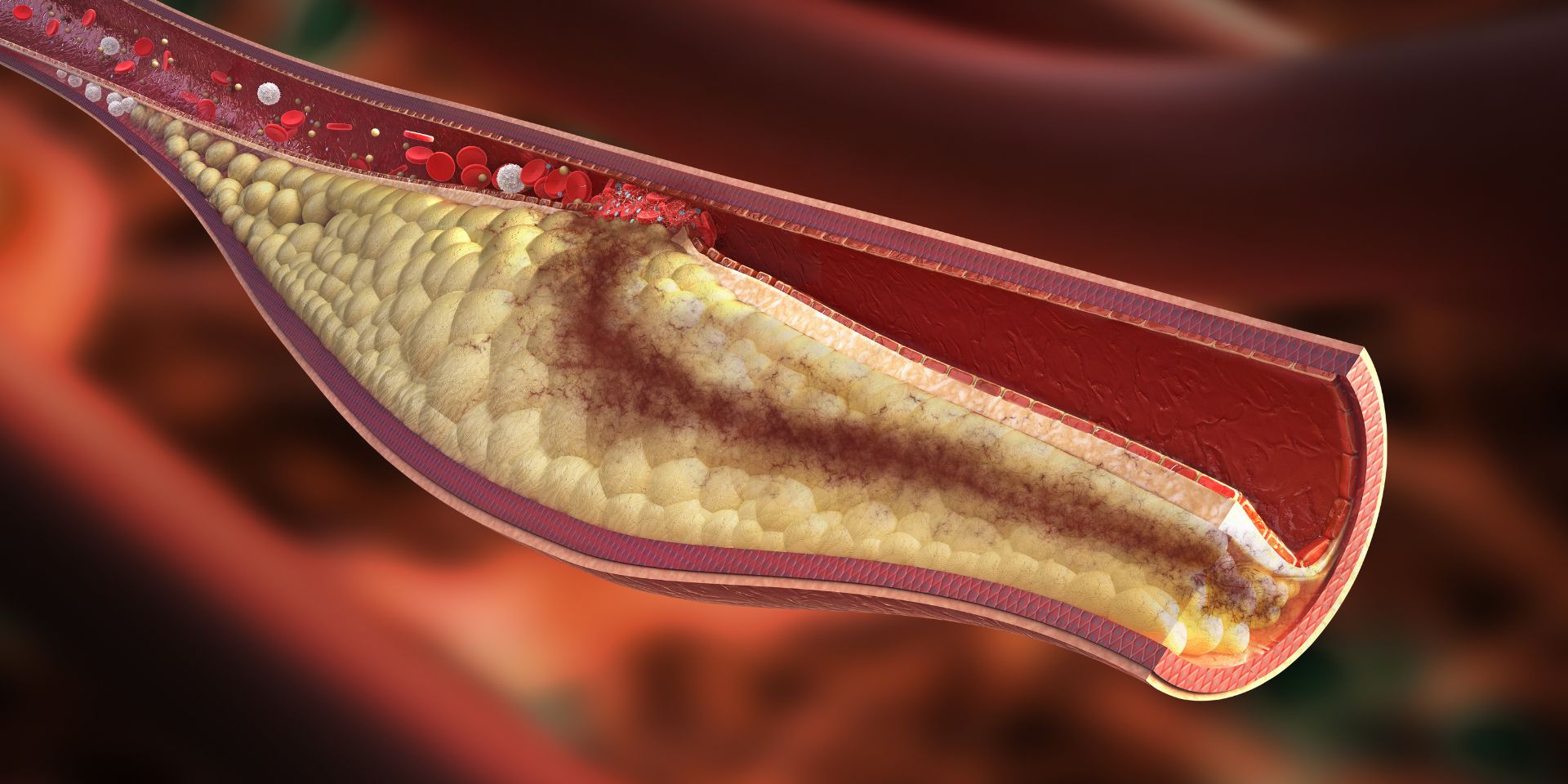
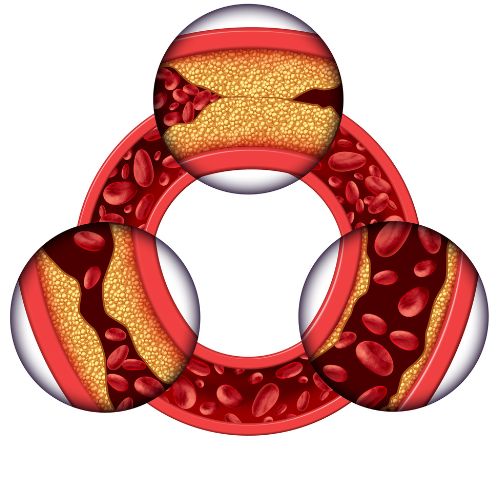
Arterial plaque is a sticky material composed of fat, cholesterol, calcium, and other substances that accumulate on the inner walls of arteries. This is all part of a process called atherosclerosis.
As time goes on, this accumulation makes the arteries thicken and harden, reducing the opening through which blood flows. As arteries become narrower, less oxygenated blood is able to reach essential organs and tissues, raising the possibility of severe complications.
If plaque ruptures, it may lead to a blood clot. This can totally obstruct the blood flow, causing a heart attack or stroke.
Can You Reduce Plaque in Arteries?
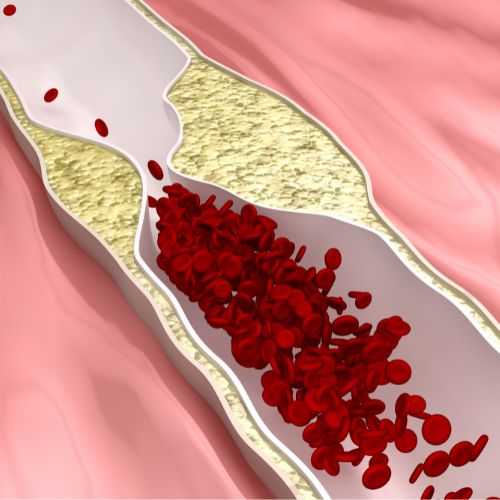
So, can you reduce plaque in arteries? Unfortunately, there aren’t quick fixes for reducing plaque in arteries, which means that supplements and so-called “cleansing” diets won’t melt away plaque.
You can shrink plaque, however, and render it more benign. Studies using advanced imaging have shown that when people reduce “bad” LDL cholesterol to very low levels, the plaque in their arteries diminishes.
The more LDL cholesterol is reduced, the more favorable the result. Just keep in mind that the overall volume of plaque that vanishes tends to be small. In spite of that, this kind of shrinking is considerable because it stabilizes the plaque, rendering it less prone to rupture.
Stabilized plaque is much less likely to cause a heart attack or stroke, so even small improvements can play a substantial role in your cardiac well-being.
Lifestyle Changes That Help Prevent Plaque Buildup
Preventing plaque in arteries starts with establishing good lifestyle practices. Consuming a heart-healthy diet, such as the DASH (Dietary Approaches to Stop Hypertension) or Mediterranean diet, is especially important.
Both diets recommend a high intake of foods rich in nutrients and healthy fats, such as:
- Fruits
- Vegetables
- Whole grains
- Nuts
- Seeds
- Fatty fish like salmon or sardines
It’s also crucial to decrease your intake of saturated and trans fats that can help develop plaque. These can be found in:
- Processed foods
- Fried foods
- Red meat
Regular exercise is also crucial. It’s recommended that you get 2.5 to 5 hours of moderate exercise, like brisk walking, per week. Alternatively, you can do 1.25 to 2.5 hours of strenuous exercise, like running, per week.
Other important habits are:
- Eliminating stress through relaxation techniques
- Quitting smoking
- Limiting alcohol consumption
Combining these habits can go a long way in preventing plaque formation and ensuring overall heart health.
Medications and Medical Interventions
Medications and surgery are important for managing plaque in arteries and preventing serious heart conditions. Statins are the most commonly prescribed medications, which work by lowering bad LDL cholesterol in the blood. Not only does this slow the development of existing plaque but also stabilize it, which drastically reduces the chances of a heart attack or stroke.
In some cases, physicians also prescribe other medications that decrease cholesterol levels, such as PCSK9 inhibitors. This is more likely for those who need extra help to meet their cholesterol goals.
Medical treatments become inevitable if the buildup of plaque is extremely high and significantly reduces blood flow. These interventions can enhance healthy flow and protect against potentially lethal complications.
Angioplasty entails a small balloon being inflated inside the narrowed artery to open it. This most likely followed by the insertion of a stent—a mini-sieving tube that keeps the artery from sealing over again.
Other options include atherectomy, where the plaque is removed with a special tool, and endarterectomy, where the plaque is surgically removed. Bypass surgery involves going around the plaque with a new route for the blood to travel around it.
Get Expert Vascular Diagnosis, Evaluation, and Treatment in TN
Choosing APEX Vascular means entrusting your care to a team known for skill, compassion, and outstanding results. Our friendly doctors and professional staff provide you with capable answers, courtesy, and individualized attention.
We offer extensive diagnostic procedures and state-of-the-art treatments so you receive a personalized care plan designed specifically for your condition. Our trained, multi-disciplinary team guides you through diagnosis to recovery with respect and dignity.
With a commitment to high-quality, patient-centered care and innovative technology, APEX Vascular is a leader in vascular health. We work with you to achieve the best results for your vascular condition.

Arterial plaque is a buildup of fat, cholesterol, and other substances that narrows arteries, raising the risk of heart attack or stroke. It can’t be fully eliminated, but lifestyle changes and medications help reduce and stabilize plaque. For advanced cases, medical procedures may be needed. APEX Vascular offers expert diagnosis and treatment to help protect your heart health.
APEX Vascular is a vascular surgery and vein center with locations in Knoxville, Lenoir City, Crossville, Decatur, and Harrogate, TN. We are dedicated to delivering personalized, high-quality care that goes beyond medical treatment. Our exceptional vascular staff, boasting extensive experience in vascular surgery, works tirelessly to elevate the standards of patient care and contribute to your overall well-being. Visit us online or call us at 865-562-3232 to request an appointment today!