
Plantar fascia embolization (PFE) is an emerging, minimally invasive treatment for chronic heel pain caused by plantar fasciitis. Patients considering this option should understand how the procedure works, who can benefit most, its potential advantages over traditional treatments, and what to expect before, during, and after the procedure.
Plantar fasciitis causes heel pain from inflammation of the tissue connecting the heel to the toes. It often worsens after rest and can be triggered by factors like obesity, improper footwear, or prolonged standing. Plantar fascia embolization is a minimally invasive procedure that blocks inflamed blood vessels to reduce pain and speed recovery. APEX Vascular offers expert PFE treatment to help patients regain pain-free mobility quickly.
Understanding Plantar Fasciitis
Plantar fasciitis is an inflammation of the thick band of tissue called the plantar fascia. It connects the heel bone to the toes along the bottom of the foot.
This condition is a common cause of heel pain, especially sharp or stabbing pain that is typically worse in the morning or after periods of inactivity. People with plantar fasciitis may experience difficulty walking or standing due to the pain.
Common causes and risk factors include:
- Obesity
- Improper footwear
- Being between the ages of 40 and 60
- Prolonged standing or walking
Plantar fasciitis can be especially triggered by standing or walking long periods on hard surfaces. Additionally, activities that put excessive strain on the foot, like running or dancing, contribute to its development. Tight calf muscles and foot arch issues can also increase the risk.
What Is Plantar Fascia Embolization?
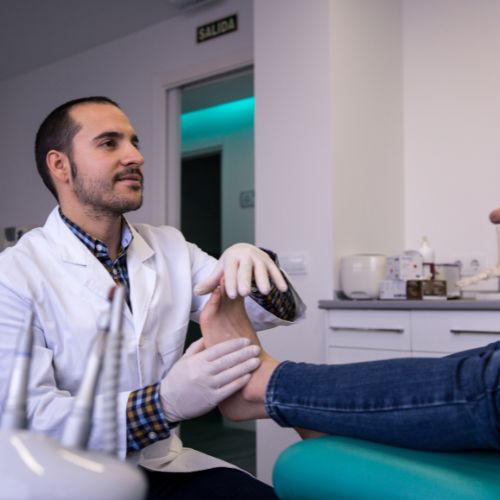
Plantar fascia embolization is a minimally invasive, image-guided procedure designed to treat chronic heel pain caused by plantar fasciitis. The procedure targets the blood vessels supplying the inflamed plantar fascia.
Using advanced imaging technologies like ultrasound or fluoroscopy, a small catheter is inserted into a blood vessel, typically near the ankle or leg. Through this catheter, tiny embolic particles are injected to block the abnormal blood flow to the inflamed tissue. This reduction in blood supply decreases inflammation and encourages natural healing.
Unlike traditional surgery, PFE requires no large incisions or cutting of the fascia, resulting in:
- Less tissue damage
- Lower risk of complications such as infection or scarring
- A much faster recovery time
Patients often resume normal activities within days instead of weeks, making it an effective alternative for those with persistent plantar fasciitis pain.
Who Is a Candidate for PFE?
Plantar fascia embolization candidates typically have chronic plantar fasciitis but have not found relief through conservative treatments such as physical therapy, orthotics, or medications. This procedure is usually considered for those experiencing persistent heel pain lasting over six months to a year, despite trying standard non-surgical options.
Suitable candidates often include middle-aged adults, especially women, and individuals who are overweight or engage in prolonged standing or high-impact activities. A thorough medical evaluation is important to confirm the diagnosis and rule out other causes of heel pain.
Patients should have good overall health and be seeking a minimally invasive alternative to surgery. Their end goal should be to reduce inflammation and improve foot function.
The PFE Procedure: What To Expect

During the plantar fascia embolization procedure, you’ll receive local anesthesia and mild sedation for comfort. The procedure is performed in an outpatient setting and typically lasts between 30 and 60 minutes.
A small catheter is inserted through a tiny puncture, usually in the ankle or groin area. It’s then advanced further using advanced imaging techniques such as ultrasound and fluoroscopy. These imaging tools enable precise navigation to the blood vessels supplying the inflamed plantar fascia.
Once targeted, tiny embolic particles are injected through the catheter to block excessive blood flow. This helps reduce inflammation and promotes healing. After the embolization, the catheter is removed, and a small bandage is applied.
Most patients experience minimal discomfort during the procedure and only mild swelling or soreness afterward, which usually subsides quickly. Recovery is rapid, allowing patients to return to normal activities within a few days, making this a minimally invasive and convenient alternative to surgery.
Benefits and Recovery
Plantar fascia embolization offers several key benefits for patients suffering from chronic heel pain. It’s a minimally invasive procedure performed on an outpatient basis, requiring only a small catheter insertion with no major incisions or scarring. The risk of infection is low, and there is no need for a hospital stay.
Compared to traditional plantar fasciitis surgery, PFE provides a faster recovery, with most patients resuming normal activities within days. The procedure specifically targets inflammation, leading to long-lasting pain relief and improved foot function.
Additionally, PFE avoids the risks associated with steroid injections and surgery, such as tissue damage or prolonged healing time. This makes it a safer and more convenient alternative for those with persistent plantar fasciitis.
Choose APEX for PFE in East Tennessee
At APEX Vascular in East Tennessee, you receive plantar fascia embolization and state-of-the-art, minimally invasive treatment. The procedure is performed by experienced vascular surgeons in a comfortable outpatient setting.
As Tennessee’s first private vascular surgery center, APEX uses advanced imaging technology to precisely target the inflamed blood vessels. This ensures effective pain relief and faster recovery with minimal risk.
The procedure is done under light sedation, allowing you to avoid:
- Hospitalization
- Large incisions
- Prolonged rehab
With multiple convenient locations across East Tennessee, we’re committed to personalized, high-quality care that helps patients return to active, pain-free lives quickly.

Plantar fasciitis causes heel pain due to inflammation or degeneration of the tissue connecting the heel to the toes. Obesity, improper footwear, and prolonged standing increase risk. Plantar fascia embolization blocks inflamed blood vessels to relieve pain and speed recovery. APEX Vascular offers expert PFE treatment to help restore pain-free mobility quickly.
APEX Vascular is a vascular surgery and vein center with locations in Knoxville, Lenoir City, Crossville, Decatur, and Harrogate, TN. We are dedicated to delivering personalized, high-quality care that goes beyond medical treatment. Our exceptional vascular staff, boasting extensive experience in vascular surgery, works tirelessly to elevate the standards of patient care and contribute to your overall well-being. Visit us online or call us at 865-562-3232 to request an appointment today!