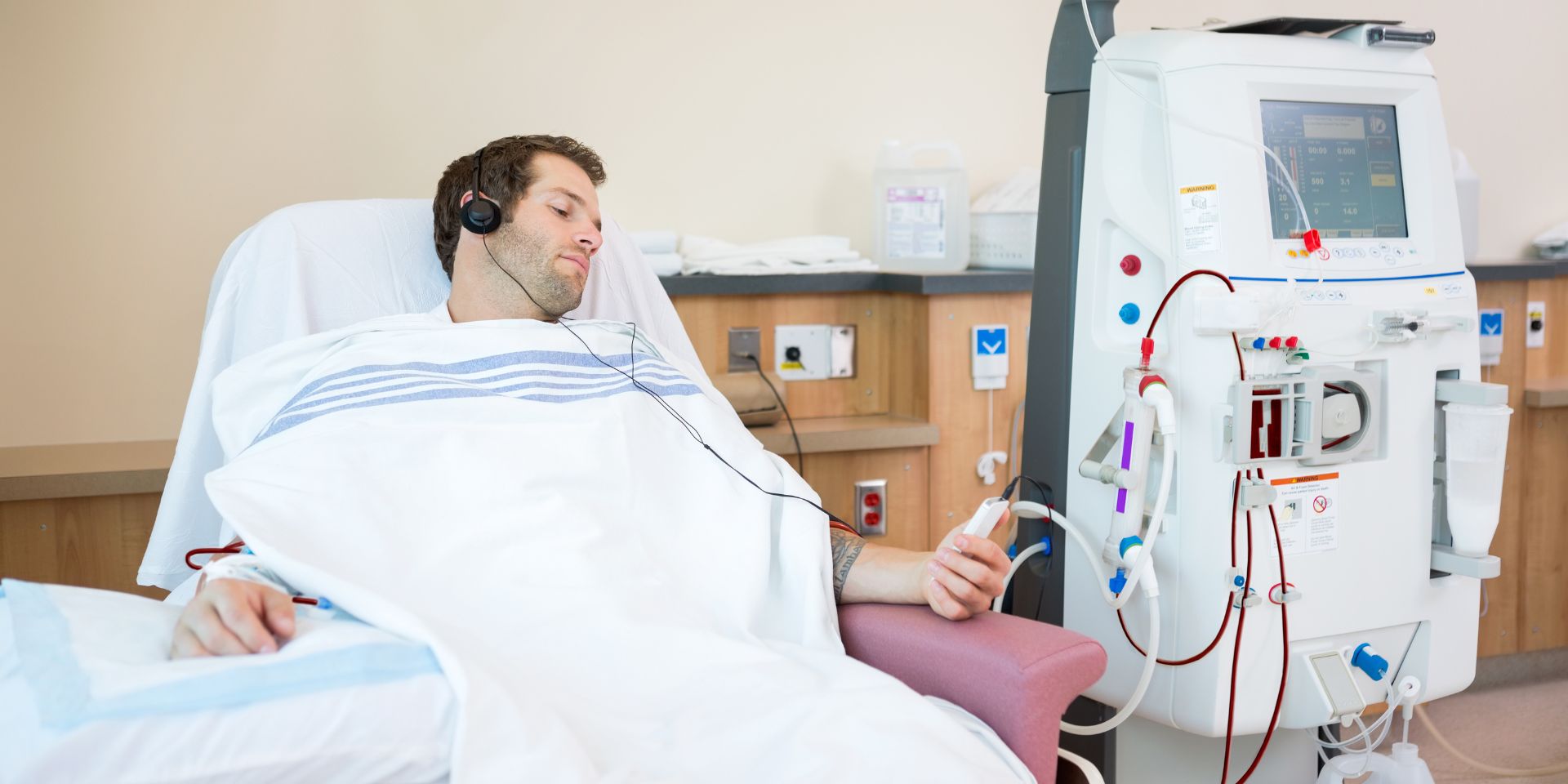
Dialysis access surgery creates an entry point for blood to flow between the body and dialysis machine, allowing effective treatment for kidney failure. Preparing well helps patients feel calmer, heal faster, and adjust smoothly. Knowing what to expect—physically and mentally—can make the process safer and less stressful.
Knowing your dialysis access options is important for safe and effective treatment. AV fistulas, AV grafts, and central venous catheters each have distinct benefits and limitations depending on your needs. Careful preparation, communication, and follow-up support healing and long-term success. APEX Vascular in East Tennessee provides expert, compassionate care for creating and maintaining dialysis access.
Knowing Your Dialysis Access Options
There are three main types of dialysis access:
- Arteriovenous fistula
- Arteriovenous graft
- Central venous catheter
An arteriovenous (AV) fistula procedure is when a vascular surgeon connects an artery to a vein, making the vein stronger and larger for repeated use. AV fistulas last longest and carry the lowest infection risk. However, they need weeks to months to mature before use.
AV grafts use a soft synthetic tube to connect the artery and vein and are an alternative if the veins are too small or weak. They can be used sooner but have a higher risk of complications and don’t last as long. Central venous catheters are placed in large veins and provide immediate access, but they’re more prone to infection and are usually temporary.
Your doctor will recommend the best option based on your vein health, how soon dialysis must begin, and your overall health. Early planning for access can greatly improve long-term results and reduce complications.
Pre-Surgery Medical Preparations

Before your dialysis access surgery, your care team will thoroughly review your:
- Recent lab work
- Medications
- Medical history
This helps to ensure that you’re ready for the procedure. It’s important to discuss any medications you’re taking—especially blood thinners or diabetes drugs since these may need to be paused or adjusted before surgery to reduce bleeding risks and other complications.
Preoperative testing, such as vein mapping or ultrasound, is also performed. This helps your surgeon identify the best location for access placement, improving surgical success. Following all instructions carefully from your vascular surgeon, including fasting or medication guidelines, is crucial for a safe procedure.
Early communication and adherence to your care team’s advice make the entire process smoother and more effective. This preparation helps minimize risks, supports proper healing, and contributes to the long-term function of your dialysis access.
Day-Before and Day-of Surgery Tips
Preparation is key to a smooth procedure on the day before and day of your dialysis access surgery. You’ll likely be instructed to fast by avoiding all food and drink for about eight hours before surgery to ensure safety during anesthesia.
It’s important to bathe or shower using antibacterial soap the night before and the morning of surgery, but avoid applying anything to the surgical site, such as:
- Lotions
- Perfumes
- Deodorants
- Nail polish
When it comes to clothing, wearing loose, comfortable clothing that allows easy access to your arm or leg is best. Bring essential personal items, but keep them minimal. You should also arrange for someone to drive you home afterward, as you won’t be able to drive post-surgery. Mentally prepare by getting a good night’s rest and understanding the surgery steps ahead.
Following all pre-surgery instructions from your healthcare team helps reduce risks and promotes a smooth recovery after your dialysis access surgery.
Home Setup and Recovery Planning
Set up a clean and comfortable recovery space at home where you can rest easily after your dialysis access surgery. Prepare by stocking up on easy-to-prepare meals, fluids, and any prescribed medications. This helps avoid unnecessary stress during recovery.
It’s essential to protect your access arm on that side. To prevent complications, avoid:

- Heavy lifting
- IVs
- Blood pressure cuffs
Make sure to schedule your follow-up appointments with your healthcare team. You should also know who to contact if you experience pain, swelling, or signs of infection. Keeping these precautions in mind supports healing and helps ensure the long-term success of your dialysis access surgery.
Emotional and Lifestyle Preparation
Dialysis access surgery and the start of dialysis can feel overwhelming emotionally and physically. It’s normal to experience anxiety and uncertainty during this life-changing time.
To reduce stress, consider:
- Joining support groups
- Seeking counseling
- Discussing concerns with your care team
Building a support network helps you feel less isolated. Adopting healthy habits before surgery, such as maintaining a balanced diet, avoiding smoking, and staying well-hydrated, boosts your overall readiness and healing.
Emotional preparation, alongside medical readiness, plays a vital role in your recovery and adaptation to dialysis. Recognizing worries and addressing them early helps create a more positive experience with dialysis access surgery and ongoing treatment.
Choose APEX Vascular for Your Dialysis Access Procedure in East Tennessee
Choosing APEX Vascular for your dialysis access surgery means receiving expert care from highly trained vascular surgeons. Our team specializes in minimally invasive procedures that create and maintain dialysis access.
At APEX Vascular, we offer personalized, compassionate care with a focus on improving your longevity and your quality of life. Our services include ongoing access maintenance, such as clot removal and treatment of fistula complications, using advanced techniques like angioplasty and stenting.
Convenient locations in Lenoir City, Knoxville, and Crossville provide accessible outpatient care in a modern, patient-centered environment. With a commitment to comprehensive vascular care and limb preservation, APEX Vascular ensures that you are supported throughout your dialysis journey by a trusted team dedicated to your health and well-being.

Knowing your dialysis access options helps ensure safe, effective treatment. AV fistulas, grafts, and catheters each vary in durability, readiness, and infection risk based on your health and timing. With proper preparation and follow-up, you can achieve better outcomes. APEX Vascular in East Tennessee offers skilled, personalized care for creating and maintaining dialysis access.
APEX Vascular is a vascular surgery and vein center with locations in Knoxville, Oak Ridge, Lenoir City, Sevierville, Crossville, Oak Ridge, Decatur, and Harrogate, TN. We are dedicated to delivering personalized, high-quality care that goes beyond medical treatment. Our exceptional vascular staff, boasting extensive experience in vascular surgery, works tirelessly to elevate the standards of patient care and contribute to your overall well-being. Visit us online or call us at 865-562-3232 to request an appointment today!