Deep vein thrombosis poses severe risks, as clots in deep leg veins can dislodge and cause pulmonary embolism—a potentially fatal blockage in the lungs. Early recognition of warning signs like leg swelling, pain, or redness enables swift intervention. Modern treatments, including medications and minimally invasive surgery, slow clot growth and prevent complications.
Early signs of deep vein thrombosis include one-sided leg pain, swelling, warmth, redness, or heaviness in the calf or thigh. Risk factors include immobility, surgery, and hormonal changes like menopause. Prompt diagnosis prevents complications. APEX Vascular provides advanced imaging, personalized treatment, and care in East Tennessee to restore healthy blood flow.
What Is Deep Vein Thrombosis?
Deep vein thrombosis (DVT) is a blood clot that forms in a deep vein, most often in the lower leg or thigh. However, it can also occur in the pelvis or arms.
DVT develops when:
- Blood flow slows
- A vein is damaged
- The blood has an increased tendency to clot
This reflects a combination of venous stasis (slowing), vessel wall injury, and hypercoagulability (clotting).
Common causes include recent surgery or trauma, inherited or acquired clotting disorders, and conditions that reduce circulation. Situations that can worsen the condition include long flights or car rides, and hospitalization or surgery recovery. Prolonged immobility, such as bed rest or sitting at a desk for many hours, can also contribute to the condition.
Recognizing Early Symptoms
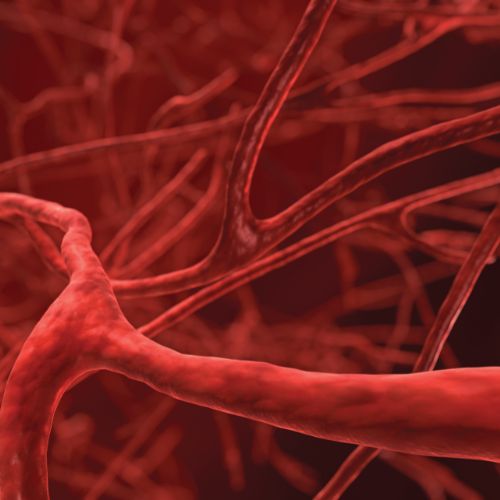
Early deep vein thrombosis symptoms often include:
- One-sided leg pain
- Swelling
- Warmth
- Redness
You may also experience a sense of heaviness, usually in the calf or thigh. These symptoms can be mild or gradual. You may have very subtle changes or no obvious signs, which makes early detection critical to prevent complications.
Discomfort typically persists or worsens with standing or walking. It may be accompanied by visible size or color differences compared to the other leg.
Many of the symptoms of DVT resemble those of a muscle strain, but a simple muscle strain usually improves with rest, stretching, or ice and is often linked to a clear injury or overuse event. Any new, unexplained combination of these symptoms in one leg warrants prompt medical evaluation.
Major Risk Factors
Risk factors include prolonged sitting or bed rest, which slows blood flow in the legs. Surgery or trauma damages vein walls can also lead to the condition, while obesity, smoking, or dehydration promote clot formation.
Hormonal changes from pregnancy, birth control, or estrogen therapy heighten clotting risk, and family history of clotting disorders. Cancer, heart failure, and prior DVT episodes increase the risk of new clots.
Discuss personalized prevention with one of our doctors, especially before surgery or if pregnant.
Preventive Strategies
Preventing deep vein thrombosis starts with practical habits to promote circulation. Stay active through regular walking or exercise, remain hydrated to prevent blood thickening, and avoid long sitting periods by standing and moving every 1-2 hours. Encourage leg movement during travel or desk work—try ankle circles, calf raises, or short walks to keep blood flowing.
Patients with known risk factors, such as a recent surgery or a family history of blood clotting, should discuss personalized prevention plans with their doctor, which may include compression stockings or medications.
Diagnosing DVT
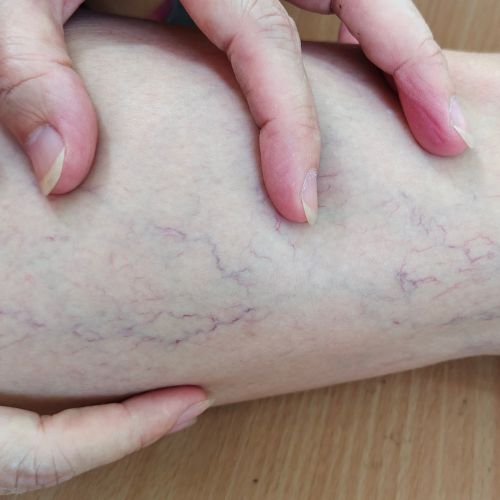
At APEX Vascular, diagnosing DVT typically starts with duplex ultrasound imaging. This primary non-invasive method uses sound waves to visualize blood flow and detect clots in deep leg veins.
A blood test follows to measure clot breakdown. Elevated levels of clotting material suggest clotting activity but require imaging confirmation since other conditions can raise it. Venography, an X-ray with dye, serves as the gold standard in complex cases where ultrasound is inconclusive.
Prompt testing improves outcomes significantly. Seek medical evaluation quickly after symptoms appear since early diagnosis prevents clots from breaking loose and causing pulmonary embolism.
Treatment Options
Deep vein thrombosis treatment options focus on preventing clot movement and recurrence while restoring blood flow. Key methods include:
- Blood thinners to stop clots from growing and forming anew
- Clot-dissolving drugs delivered intravenously or via catheter directly to the clot
- Filter implants to trap clot fragments before they reach the lungs
Other main treatments not detailed here encompass compression stockings to reduce swelling and improve circulation, plus elevation and physical activity to promote blood flow.
Treatment goals center on halting clot progression to avoid pulmonary embolism and minimizing long-term recurrence risks. Ongoing monitoring via follow-up ultrasounds and blood tests allows doctor-guided adjustments to medications, ensuring safety and effectiveness.
Choose APEX Vascular for Deep Vein Thrombosis Care in East Tennessee
At APEX Vascular, our board-certified vascular surgeons are deep vein thrombosis experts at every level. They offer expert, immediate treatment at convenient locations across the region.
Our team uses advanced diagnostics. This includes ultrasound to confirm clots quickly, followed by tailored therapies including blood thinners to halt clot growth. Catheter-directed drugs are used to dissolve clots, while filters help block emboli, preventing life-threatening pulmonary embolism.
Early intervention restores blood flow, eases symptoms, and avoids complications like chronic venous insufficiency, with a focus on personalized plans for optimal outcomes.

Early signs of deep vein thrombosis include pain, swelling, warmth, redness, or heaviness in one leg, often the calf or thigh. Immobility, surgery, and hormonal factors increase risk. Timely diagnosis is vital. APEX Vascular offers expert DVT care across East Tennessee with advanced imaging and personalized treatments to restore healthy circulation.
APEX Vascular is a vascular surgery and vein center with locations in Knoxville, Oak Ridge, Lenoir City, Sevierville, Crossville, Decatur, and Harrogate, TN. We are dedicated to delivering personalized, high-quality care that goes beyond medical treatment. Our exceptional vascular staff, boasting extensive experience in vascular surgery, works tirelessly to elevate the standards of patient care and contribute to your overall well-being. Visit us online or call us at 865-562-3232 to request an appointment today!