Leg pain after walking, unusual fatigue in your calves, or slow-healing sores on your feet can be dismissed as normal symptoms of aging. However, these symptoms could also indicate peripheral artery disease, a common problem where narrowed arteries reduce blood flow to the limbs. Understanding the condition goes beyond answering “What is peripheral artery disease?” to support your overall health.
Peripheral artery disease occurs when narrowed arteries reduce blood flow to the legs, causing pain, poor healing, and increased heart and stroke risk. Treatment focuses on lifestyle changes, medications, or minimally invasive procedures to restore circulation. APEX Vascular in Knoxville, Lenoir City, and Crossville provides expert diagnosis and advanced treatments to improve blood flow and protect long-term limb health.
What Is Peripheral Artery Disease?
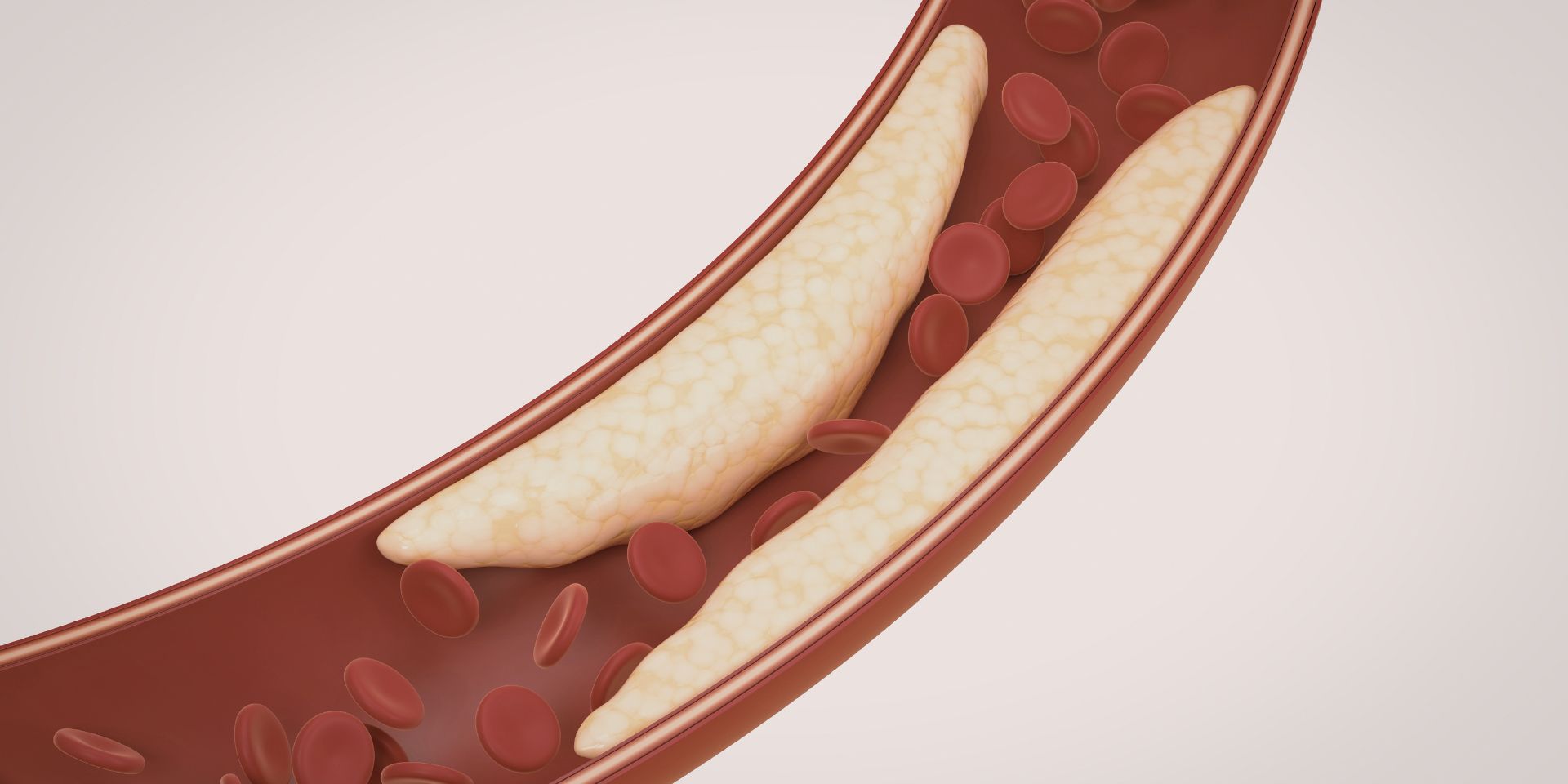
The short answer to “What is peripheral artery disease (PAD)?” is that muscles in your legs are not getting enough oxygen-rich blood, especially during activity. The more complex answer is that it’s a circulation problem that happens when arteries carrying blood to your legs and feet become narrowed or blocked by fatty buildup called plaque.
This poor blood flow can cause discomfort when you walk, but it often improves with rest. While this may not seem like a serious problem, PAD is also a warning sign of artery disease in other parts of the body, including the heart and brain. Without treatment, you put yourself at a higher risk for heart attack and stroke.
Treatment To Support Better Blood Flow
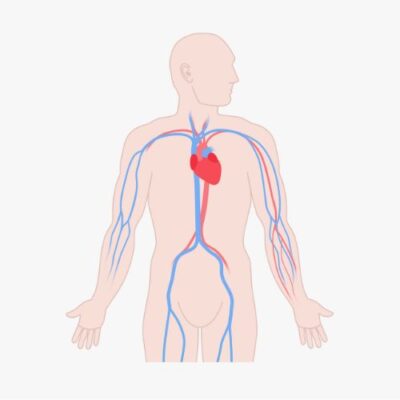
Peripheral artery disease treatment focuses on improving blood flow to the legs, relieving symptoms, and lowering the risk of serious complications like ulcers, infection, or limb loss.
Lifestyle changes
Lifestyle changes are the foundation for peripheral artery disease treatment. This includes:
- Quitting smoking or vaping
- Managing your weight
- Following a healthy diet
- Getting regular exercise
These steps are essential for slowing plaque buildup and preventing the condition from worsening. Even changes as simple as taking walks can encourage your body to develop collateral circulation—small alternative vessels that improve blood flow over time.
Medications
Medications can help control the conditions that exacerbate peripheral artery disease, such as:
- High blood pressure
- High cholesterol
- Diabetes
Doctors may also prescribe antiplatelet or other blood-thinning medications to lower heart attack and stroke risk and, in some cases, medicines to improve walking distance and leg discomfort.
Surgery
Procedures to open arteries are often recommended when blockages are more advanced. Minimally invasive options include balloon angioplasty and stenting, where a tiny catheter and balloon widen the artery. Atherectomy, which carefully removes hardened plaque, may also be recommended.
Surgical bypass may be considered in severe cases or in cases of limb-threatening ischemia. This is a severe, long-lasting condition caused by poor blood that can cause:
- Pain when resting
- Non-healing wounds
- Tissue death in a limb.
The goal of surgery is not just to relieve leg pain—it’s to protect the limb and reduce overall cardiovascular risk.
How It’s Diagnosed
Diagnosing peripheral artery disease usually occurs during an office visit that starts with a detailed and focused:
- Medical history
- Review of risk factors
- Leg and foot exam
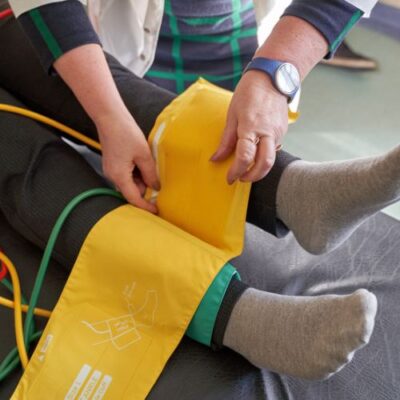
A leg and foot exam includes checking pulses and skin changes. The most common test is the ankle-brachial index (ABI), which compares blood pressure in your arm and ankle to show how well blood is reaching your legs.
At APEX Vascular, we may recommend additional tests if PAD is suspected or confirmed. These tests may include ultrasound, CT angiography, or other imaging studies. This allows our team to map where blockages or narrowings are located and their severity.
Symptoms and Risk Factors That Shouldn’t Be Brushed Off
Peripheral artery disease sneaks up silently, often without early warning, since its symptoms can be so easily disregarded. Every day leg discomfort or familiar health risks could signal narrowed arteries, starving your limbs of blood flow. Understanding symptoms like cramping during walks and key risk factors helps catch PAD before it escalates.
Symptoms
Peripheral artery disease often causes claudication, meaning cramping, tightness, or aching in the calf, thigh, or buttock when walking that eases with rest. Other subtle warning signs include:
- Cold feet or color changes in the skin
- Slow-healing cuts or sores on the toes or feet
- Weak pulses in the feet
- Hair loss or shiny skin on the legs
As PAD becomes more advanced, blood flow is so limited that you can develop constant pain at rest, nonhealing wounds, or areas of tissue loss. This is all the more reason to seek prompt medical care.
Risk factors
Risk factors for peripheral artery disease pile up in everyday ways. Smoking or past tobacco use tops the list by damaging artery walls and speeding plaque buildup. Diabetes is another problem since it harms blood vessels over time. At the same time, high blood pressure or high cholesterol forces arteries to stiffen and narrow.
Inflammation and circulation can be made worse by issues such as:
- Kidney disease
- Obesity
- Sedentary lifestyle
Being over the age of 50 increases your PAD risk factors, especially with a family history of heart disease or stroke.
Having more than one risk factor multiplies the danger, creating a perfect storm for PAD. It’s possible to lack any obvious symptoms early on, so routine checks matter.
When to Call a Vein Doctor and What To Expect
Contact a vein doctor if you notice leg pain with walking, nonhealing foot sores, or color or temperature changes in your legs or feet. You should also schedule an exam if you have multiple risk factors like smoking, diabetes, or high blood pressure along with circulation concerns. These are clear triggers that PAD may be developing.
An early visit often means catching issues before they worsen, resulting in simpler treatment and better long-term outcomes.
Expect a thorough evaluation during your appointment at a vascular practice, including your medical history, a leg and foot exam, and likely an ankle-brachial index test. You’ll receive a personalized risk-reduction plan and discuss options like medications, supervised exercise therapy, or procedures if needed.
Choose APEX Vascular for Peripheral Artery Disease Treatment
Choose APEX Vascular for peripheral artery disease treatment. We provide comprehensive care, from early risk assessment and preventive therapies to advanced minimally invasive procedures like angioplasty, stenting, and atherectomy that restore circulation.
With offices in Lenoir City, Knoxville, and Crossville, Tennessee, our team emphasizes early intervention to prevent symptoms from worsening into nonhealing ulcers or gangrene. Don’t wait for leg pain or open wounds. The surgeons at APEX Vascular provide personalized plans to manage risk factors and clear blockages effectively.

Peripheral artery disease happens when narrowed arteries restrict blood flow to the legs, leading to pain, slow healing, and higher heart or stroke risk. Treatment may involve lifestyle adjustments, medication, or minimally invasive procedures. APEX Vascular offers expert diagnosis and advanced care to restore circulation and safeguard long-term vascular health.
APEX Vascular is a vascular surgery and vein center with locations in Knoxville, Oak Ridge, Lenoir City, Sevierville, Crossville, Decatur, and Harrogate, TN. We are dedicated to delivering personalized, high-quality care that goes beyond medical treatment. Our exceptional vascular staff, boasting extensive experience in vascular surgery, works tirelessly to elevate the standards of patient care and contribute to your overall well-being. Visit us online or call us at 865-562-3232 to request an appointment today!