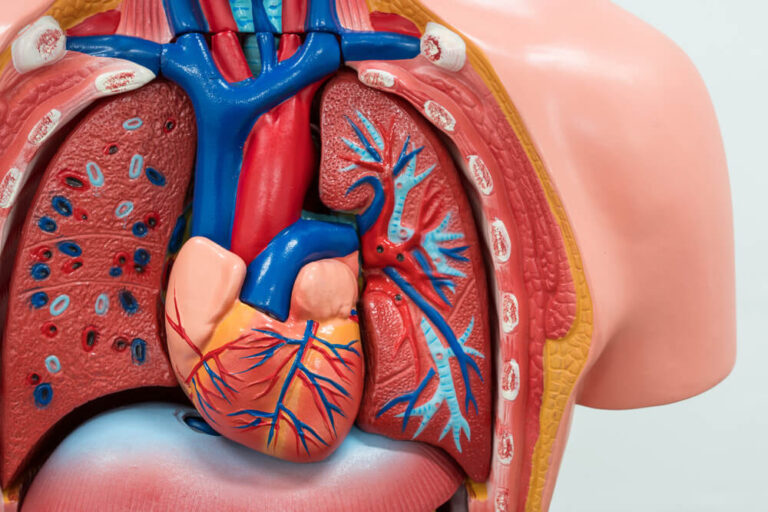

Vascular health keeps blood flowing through arteries and veins, supporting every organ. But issues like leg pain, varicose veins, or stroke risk can signal trouble. A vascular surgeon specializes in diagnosing and treating blood vessel conditions, protecting circulation, preventing complications, and helping safeguard your overall health.
Vascular surgeons specialize in diagnosing and treating conditions affecting blood vessels outside the heart and brain. Using both minimally invasive and surgical techniques, they help restore circulation and prevent serious complications. Early evaluation and ongoing care are key, and APEX Vascular provides personalized treatment to protect long-term vascular health and quality of life.
What Is a Vascular Surgeon?
A vascular surgeon is a doctor who specializes in diseases of the circulatory system, especially problems in the arteries and veins outside the heart and brain. They’re trained in both open surgery and minimally invasive, catheter-based procedures. This allows them to choose the safest and most effective treatment for each patient.
Unlike cardiologists, who focus on the heart, and general surgeons, who treat a broader range of conditions, vascular surgeons focus specifically on blood vessel health. Their job is not just to treat disease, but also to prevent serious complications like stroke, limb loss, and aneurysm rupture.
Conditions They Treat
Vascular surgeons treat conditions that affect blood flow in the arteries and veins, and many of these problems can become serious if ignored. For example, peripheral artery disease can reduce circulation to the legs, causing:
- Pain
- Wounds
- Tissue loss
Aneurysms, especially abdominal aortic aneurysms, can enlarge silently and rupture without warning. Carotid artery disease can limit blood flow to the brain and raise stroke risk. Deep vein thrombosis and other blood clots can travel to the lungs and become life-threatening.
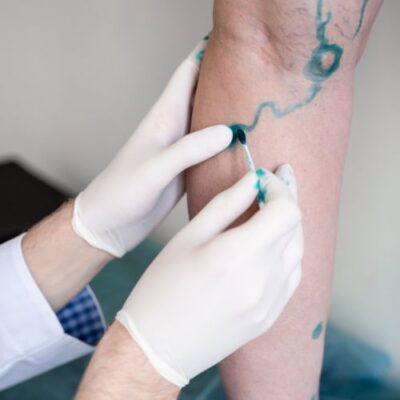
Varicose veins, spider veins, and chronic venous insufficiency may seem minor, but they can lead to swelling, skin changes, ulcers, and chronic discomfort. Free vein screenings can help identify problems early before complications develop.
Evaluation Process and Diagnostic Tools
Early detection matters because it helps guide treatment sooner, which can reduce the risk of stroke, clots, aneurysm rupture, ulcers, and other complications. Vascular surgeons usually start with a physical exam and a review of your medical history to look for signs of:
- Poor circulation
- Swelling
- Vein changes
They often use ultrasound and Doppler studies first because these non-invasive tests show blood flow in real time and help spot blockages or faulty valves. If more detail is needed, they may order CT angiography or MR angiography to map arteries and veins more precisely.
Treatment Options
Vascular surgeons use several treatment options depending on the condition, its severity, and your overall health. The goal is always a personalized plan that balances effectiveness, safety, and long-term health.
For many people, care begins with lifestyle management such as improving diet, staying active, and quitting smoking to protect blood vessels and slow disease progression.
You may also be prescribed medications to:
- Improve circulation
- Lower cholesterol
- Control blood pressure
- Prevent dangerous blood clots
When a procedure is needed, minimally invasive options like angioplasty, stenting, and catheter-based treatments can open narrowed vessels with less recovery time. In more advanced cases, surgical interventions such as bypass surgery or aneurysm repair may be necessary.
Preventive Care and Long-Term Health

Preventive care from a vascular surgeon focuses on keeping blood vessels healthy before problems become emergencies. In many cases, preventive care helps patients stay active, avoid hospitalizations, and protect their long-term quality of life.
Surgeons monitor chronic conditions such as peripheral artery disease, aneurysms, and venous disease, while also helping manage risk factors like:
- Diabetes
- High blood pressure
- Cholesterol
Follow-up care is important because vascular conditions can change over time, and small adjustments can prevent larger complications later. This ongoing attention can reduce the risk of serious events such as stroke, limb loss, blood clots, or aneurysm rupture.
When To See a Vascular Surgeon
You should see a vascular surgeon if you notice warning signs like leg pain when walking, sudden or persistent swelling, skin discoloration, non‑healing wounds, or bulging varicose or spider veins. These can signal poor circulation or vein disease that may worsen without treatment.
People should also consider a vascular evaluation if they have risk factors such as:
- Older age
- Smoking
- Diabetes
- High blood pressure
You should also seek an evaluation if you have a family history of aneurysms, stroke, or vascular disease.
Trust the Vascular Surgeons at APEX Vascular
The vascular surgeons at APEX Vascular focus on the full picture of vascular health as a key part of overall wellness. Our team is dedicated to setting high standards in personalized, high‑quality care, using advanced techniques to protect circulation and prevent serious issues such as:
- Stroke
- Limb loss
- Aneurysm rupture
By tailoring treatment to your unique condition and life situation, we emphasize early intervention and ongoing support. This proactive approach helps catch problems sooner, often with less invasive options, and supports better long‑term outcomes.
With APEX Vascular, proactive care becomes a powerful way to protect your health and improve your quality of life in East Tennessee.

Vascular surgeons focus on diagnosing and treating diseases of the blood vessels outside the heart and brain. Through minimally invasive procedures and surgical care, they improve circulation and reduce the risk of serious complications. Early detection matters, and APEX Vascular delivers personalized care to support lasting vascular health and overall well-being.
APEX Vascular is a vascular surgery and vein center with locations in Knoxville, Oak Ridge, Lenoir City, Sevierville, Crossville, Decatur, and Harrogate, TN. We are dedicated to delivering personalized, high-quality care that goes beyond medical treatment. Our exceptional vascular staff, boasting extensive experience in vascular surgery, works tirelessly to elevate the standards of patient care and contribute to your overall well-being. Visit us online or call us at 865-562-3232 to request an appointment today!