Knee osteoarthritis commonly causes ongoing pain, stiffness, swelling, and limited mobility that disrupt daily life. Genicular artery embolization uses tiny particles to gently reduce blood flow to inflamed knee tissues, calming inflammation and easing discomfort. This guide helps you have a better understanding of treatment before your consultation.
Genicular artery embolization is a minimally invasive procedure that reduces blood flow to inflamed areas of the knee, helping relieve pain, swelling, and stiffness caused by osteoarthritis. While it doesn’t repair joint damage, it can improve function over time. Recovery is typically quick, with gradual results. APEX Vascular offers expert evaluation and personalized GAE treatment to help patients regain comfort and mobility.
What Genicular Artery Embolization Does
Genicular artery embolization, or GAE, targets the tiny arteries around the knee that help feed inflamed tissue involved in osteoarthritis. The idea is simple: when less blood reaches that irritated area, the inflammation can calm down.
This may lead to:
- Reduced pain
- Less swelling
- Easier movement over time
GAE does not repair damaged cartilage or rebuild the joint itself. Instead, it aims to reduce the inflammatory signal coming from the knee. Think of it like turning down the volume rather than replacing the speaker. That makes it a treatment focused on symptom relief and improved function, especially for people whose knee pain has not improved enough with other options.
Who May Benefit from GAE

Many who consider genicular artery embolization are dealing with knee osteoarthritis. They’re frustrated that daily activities—walking, climbing stairs, or standing for long periods—are still limited. It often comes up as an option for people who want to avoid or delay major surgery while seeking a less invasive way to calm knee inflammation and improve comfort and function.
GAE may benefit people who live with ongoing:
- Knee pain
- Stiffness
- Swelling
- Difficulty moving
This is especially the case when these symptoms have not improved enough with standard treatments like medications, physical therapy, or injections.
What The Procedure Feels Like
Genicular artery embolization is usually done as an outpatient procedure, meaning you can go home the same day. You’ll receive light sedation to keep you relaxed and comfortable, but you won’t be fully asleep.
Through a small access point in your groin, the interventional radiologist threads a thin catheter into the arteries around the knee while using live imaging to guide it. Tiny particles are then released into the targeted vessels to reduce blood flow to the inflamed tissue.
There’s typically no large incision or stitches, and the procedure often takes less than an hour. Your care team watches your knee’s blood vessels in real time, so you’re monitored closely throughout the procedure. This helps ease anxiety about what’s happening inside your body.
Recovery and Early Changes
After genicular artery embolization, most people go home the same day and are told to rest and avoid strenuous activity for a few days. The goal is not a quick “fix,” but a steady improvement in comfort and function as the knee settles down. You may notice some mild soreness, stiffness, or swelling at the treatment site, but these are usually temporary and improve with time.
Follow‑up visits help your care team monitor your progress and adjust any activity or therapy as needed. Pain relief and better movement often build gradually over several weeks as inflammation in the knee decreases, rather than happening overnight.
Benefits and Limitations
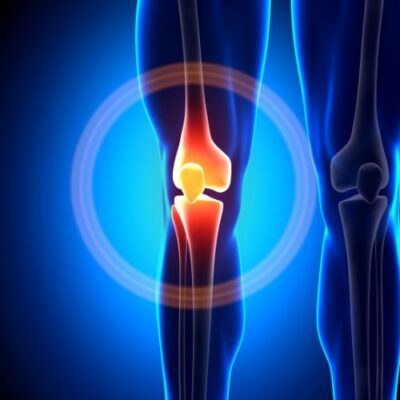
Genicular artery embolization offers several appealing benefits. As a minimally invasive procedure, it’s usually done without a major incision or stitches. Recovery is typically faster, as well, and easier than with knee surgery.
Because it targets the blood vessels feeding inflamed tissue, GAE aims to reduce pain and irritation at its source rather than altering the joint structure. However, it’s not a cure and may not be right for everyone. Results can vary from person to person, and some individuals may see only modest improvement.
GAE also does not repair damaged cartilage or replace advanced joint deterioration. A thorough evaluation by a specialist is essential to understand whether GAE fits alongside other treatments and matches your specific goals for pain relief and mobility.
Questions to Ask Your Vascular Surgeon
When you meet with a vascular surgeon about genicular artery embolization, it helps to go in with a few clear questions. Ask what type of knee pain you have and whether your arthritis pattern is suitable for GAE. You should also find out what to expect during recovery, including activity limits and how soon you might notice changes.
Be sure to ask about possible side effects and how GAE compares to other options like injections, physical therapy, or surgery. You can also ask if combining GAE with other treatments might improve your outcome, such as:
- Weight management
- Exercise
- Braces
These questions turn the conversation into a practical decision‑making session and help you understand your best path forward.
Choose APEX Vascular for Knee Osteoarthritis Treatment
If knee pain is still limiting your daily life, a specialist evaluation at APEX Vascular can help you understand whether genicular artery embolization fits your goals and overall treatment plan. We focus on helping people with knee osteoarthritis find relief when medications, injections, and other conservative treatments have not been enough.
Our approach to GAE is minimally invasive and usually done without major incisions or stitches. The procedure is designed to reduce inflammation and improve mobility for those living with chronic knee:
- Pain
- Stiffness
- Swelling
At APEX, you can expect experienced interventional care, a clear explanation of what to expect during and after the procedure, and personalized follow‑up to support your recovery.

Genicular artery embolization (GAE) is a minimally invasive treatment that reduces blood flow to inflamed knee tissue, helping ease pain, swelling, and stiffness from osteoarthritis. Though it doesn’t repair joint damage, it can improve mobility over time. APEX Vascular provides expert evaluation and personalized care to support lasting relief.
APEX Vascular is a vascular surgery and vein center with locations in Knoxville, Oak Ridge, Lenoir City, Sevierville, Crossville, Decatur, and Harrogate, TN. We are dedicated to delivering personalized, high-quality care that goes beyond medical treatment. Our exceptional vascular staff, boasting extensive experience in vascular surgery, works tirelessly to elevate the standards of patient care and contribute to your overall well-being. Visit us online or call us at 865-562-3232 to request an appointment today!