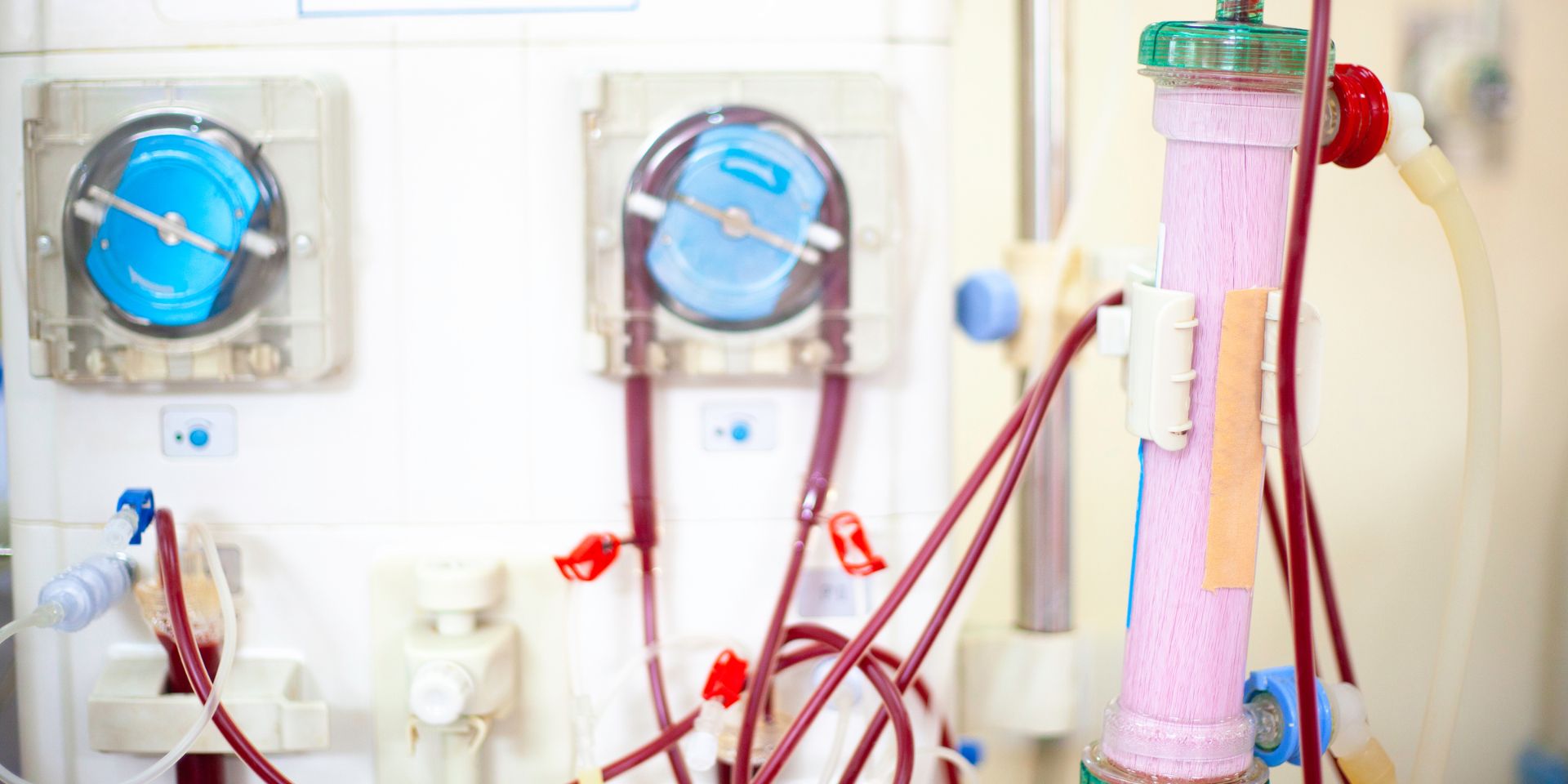
Chronic kidney disease progressively damages kidneys, impairing their ability to filter waste, often advancing to end-stage renal failure requiring intervention. Dialysis is a life-sustaining treatment, artificially cleaning blood when kidneys fail. Proper access is critical, preventing complications, ensuring effective treatment, and enhancing survival and quality of life.
Dialysis access is essential for effective treatment, allowing blood to be filtered and returned to the body. Options include AV fistulas, grafts, and catheters, each varying in durability, infection risk, and readiness. Early planning and proper care improve outcomes and reduce complications. APEX Vascular helps East Tennesseans by creating and maintaining reliable, long-term access with advanced, patient-focused care.
What Is Dialysis Access?
Dialysis access is a literal lifeline that allows blood to leave the body, pass through a dialysis machine, and return cleaned. Without reliable access, dialysis cannot be delivered effectively.
The three main types are:
- AV fistula: created by joining an artery and a vein in the arm
- AV graft: uses a synthetic tube to connect an artery and a vein
- Central venous catheter: a tube placed into a large vein for quicker or temporary access
Fistulas and grafts are usually meant for longer-term use, while catheters are often used when dialysis must start right away.
Why It Matters
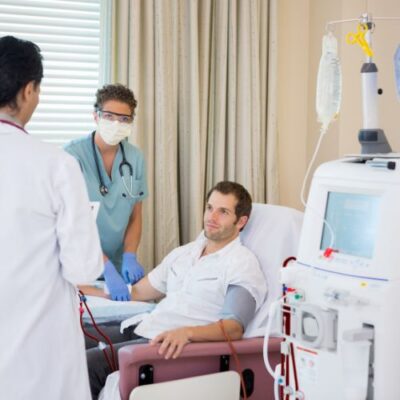
Dialysis access matters because it is the pathway that makes dialysis effective. Over time, better access quality is linked to better overall outcomes and improved long-term survival. This makes it a critical part of chronic kidney disease care.
A well-functioning access allows the machine to remove toxins and extra fluid from the blood efficiently, which helps control symptoms such as:
- Swelling
- High blood pressure
- Fatigue
- Shortness of breath
Proper access can lower complications, including infections and clotting, especially when compared with less reliable access. It also improves treatment efficiency by allowing adequate blood flow. This means that sessions can work as intended and patients are less likely to need repeated interruptions or emergency fixes.
Types of Access for Dialysis: Pros and Cons
Dialysis access is your lifeline for hemodialysis, with three main types: AV fistula, AV graft, and central venous catheter. Each offers unique pros and cons in durability, infection risk, and readiness. Understanding these helps patients and doctors choose the best option for long-term success.
AV fistula- the gold standard
An AV fistula connects an artery directly to a nearby vein, usually in the arm, allowing the vein to thicken and handle high blood flow over 2–6 months.
| Pros: | Cons: |
| Longest-lasting (years to decades) | Requires time to mature |
| Best blood flow for efficient dialysis | Not suitable for small/weak veins |
| Lowest infection and clotting risks | May fail to develop |
AV graft-an alternative option
An AV graft uses a synthetic tube to link an artery and vein when veins aren’t suitable for a fistula. It can be ready in 2–4 weeks.
| Pros: | Cons: |
| Faster readiness than fistula | Moderate durability (2–3 years) |
| Viable for poor veins | Higher clotting/infection risk |
| Needs more maintenance. |
Central venous catheter-best for short-term use
A catheter is a flexible tube inserted into a large neck/chest vein for immediate access.
| Pros: | Cons: |
| Quick placement for emergencies | Highest infection risk |
| Poor long-term flow | |
| Frequent clogs |
Placement Timing and Planning
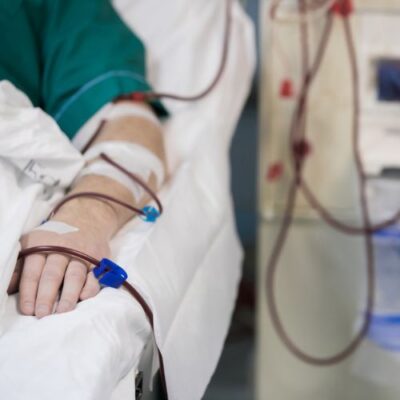
Early planning for dialysis access is crucial during CKD stages 3–5, which is when kidneys are declining but dialysis isn’t yet needed. Delayed placement often forces emergency central venous catheter use, raising infection risks, poor blood flow, and hospitalization.
Ideally occurring 6 months before starting hemodialysis, this timeline allows AV fistulas to mature properly, avoiding rushed procedures. This timeline also empowers proactive care, allowing you to:
- Ask about options early
- Learn about vein preservation (“vein mapping”)
- Understand how regular follow-ups optimize outcomes and quality of life.
The process starts with your kidney function being assessed. You will then be provided with information about your options. You will then be referred to a vascular surgeon who maps your veins and performs the surgery. Their collaboration ensures the best access type based on anatomy and health.
Maintenance and Care
Proper care of dialysis access is essential to prevent complications and ensure effective treatment. Daily tips include:
- Washing the access site with soap and water
- Monitoring for signs like redness, swelling, pain, fever, or vibration
- Avoiding tight clothing or sleeping on the access arm
Regular checkups with monthly ultrasounds or flow measurements help detect clogs or narrowing early.
It’s your job to protect the access. This means no blood pressure readings, injections, or IVs in that arm. You should also avoid heavy lifting or pressure and report issues immediately. These habits extend access life and reduce hospitalizations.
Trust APEX Vascular for Dialysis Care in East Tennessee
Proper dialysis access is vital for reducing infections and boosting survival, making it important to start planning early and engage actively with a team of experts. With APEX Vascular, you can look forward to sustained dialysis success and enhanced quality of life.
We have a proven track record of dialysis care in East Tennessee, specializing in creating and maintaining reliable access ports. Our team provides these lifelines for effective toxin removal and fluid balance using minimally invasive procedures like AV fistulas and grafts.
As Tennessee’s first ACHC-accredited vascular outpatient center in Lenoir City, APEX Vascular offers state-of-the-art equipment, ongoing maintenance, and compassionate care across Knoxville and beyond.

Dialysis access enables blood to be safely filtered during treatment and is critical to patient outcomes. Options include AV fistulas, grafts, and catheters, each with different benefits and risks. Early planning and proper care improve effectiveness and reduce complications. APEX Vascular provides expert access creation and maintenance across East Tennessee.
APEX Vascular is a vascular surgery and vein center with locations in Knoxville, Oak Ridge, Lenoir City, Sevierville, Crossville, Decatur, and Harrogate, TN. We are dedicated to delivering personalized, high-quality care that goes beyond medical treatment. Our exceptional vascular staff, boasting extensive experience in vascular surgery, works tirelessly to elevate the standards of patient care and contribute to your overall well-being. Visit us online or call us at 865-562-3232 to request an appointment today!