Varicose veins are common, but they are not always easy to see. Symptoms can show up even without obvious bulging veins. A free vein screening is a simple first step that helps identify possible circulation issues, assess symptoms, and determine whether further evaluation with ultrasound is needed.
To get a free vein screening, you should:
- Recognize varicose vein symptoms
- Schedule a free vein screening
- Complete a leg exam and history review
- Receive duplex ultrasound imaging
- Review results and next steps
What Varicose Veins Are
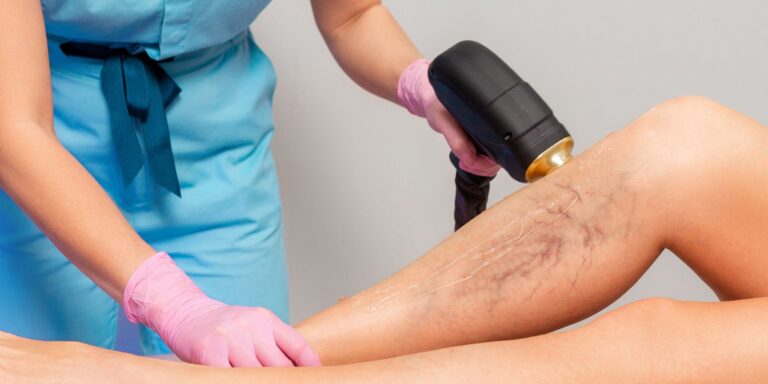
Varicose veins are enlarged, twisted veins that most often appear in the legs and ankles. They develop when vein valves weaken or stop working correctly, which lets blood collect in the veins instead of flowing upward toward the heart.
This can lead to a range of symptoms, including:
- Aching
- Heaviness
- Swelling
- Itching
- Cramping
Visible skin changes like discoloration or irritation may also occur.
Some people notice discomfort after standing for long periods, while others first see the veins themselves. Although they are common, varicose veins can signal an underlying circulation issue that may benefit from evaluation.
Steps for a Free Vein Screening
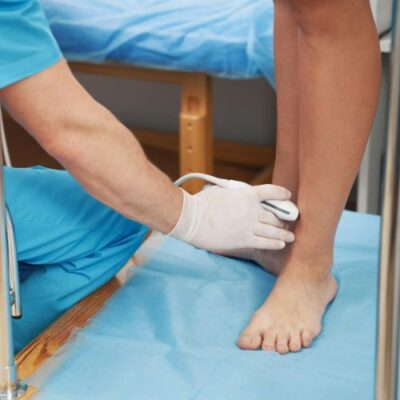
A free vein screening begins by identifying symptoms like aching, swelling, or visible vein changes. During the visit, a provider reviews your history, examines your legs, and may use an ultrasound to assess blood flow. The goal is to determine if vein disease is present and recommend next steps, such as lifestyle changes or treatment.
1. Recognize varicose vein symptoms
Common warning signs of varicose veins include aching, heaviness, throbbing, swelling, itching, cramping, or a tired feeling in the legs. These symptoms often become more noticeable after standing or sitting for long periods, and they may feel worse as the day goes on.
Some people also notice veins that look dark, bulging, or twisted beneath the skin. Others may see skin changes near the affected area, such as:
- Dryness
- Discoloration
- Irritation
Not everyone seeks care for the same reason. For example, some want treatment because of cosmetic concerns. Others are bothered by pain, swelling, or the feeling that symptoms are progressing. Recognizing these changes early can make screening more useful and timely.
2. Schedule a free vein screening
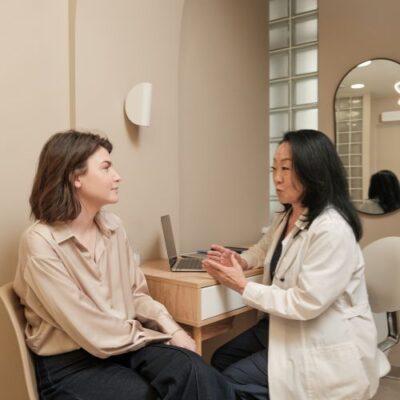
A free vein screening is usually a simple, low-pressure first visit to discuss your vascular health. During the appointment, a provider:
- Reviews your symptoms
- Asks a few questions about your leg discomfort or swelling
- Look for signs that may point to vein disease
The goal is to determine whether your concerns could be related to poor circulation or damaged vein valves.
There is no need to make treatment decisions on the spot, and the visit is meant to be informative rather than stressful. In many cases, the screening is just the first step toward understanding what is causing your symptoms and whether any further evaluation is needed.
3. Complete a leg exam and history review
During a leg exam and history review, your clinician may ask about pain, swelling, itching, heaviness, cramping, or other symptoms that affect daily comfort. They may also ask:
- When the symptoms started
- If they get worse after long periods of standing or sitting
- Whether anything makes them feel better or worse
In addition, they may ask about prior vein problems, previous treatments, and any family history of varicose veins or circulation issues, since those details can help identify risk factors.
The legs are often examined while standing. This is because this position makes visible vein changes, bulging veins, swelling, and skin differences easier to see. This step is important because it helps your provider decide whether the symptoms suggest vein disease and whether further testing is needed.
4. Receive duplex ultrasound imaging
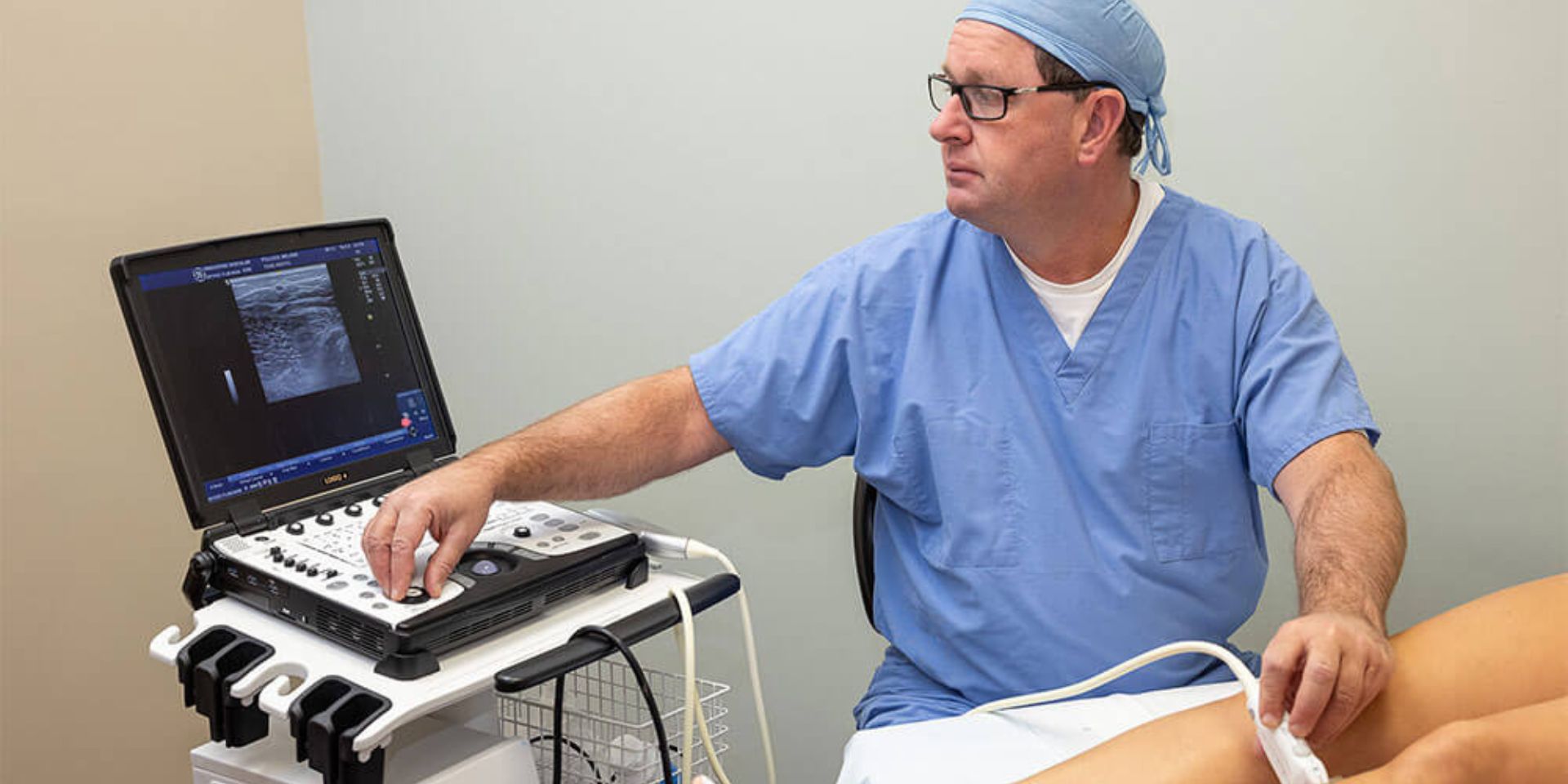
Duplex ultrasound imaging is commonly used to assess how well the leg veins are functioning and to check for venous insufficiency. This condition occurs when blood is not flowing upward as it should.
The scan combines sound waves and visual imaging to show the movement of blood through the veins. This makes it easier to spot backward flow (reflux) caused by damaged valves in the veins. It’s a noninvasive test, so it doesn’t require needles or surgery and is usually quick and comfortable.
This type of imaging can also help confirm whether the great saphenous vein, the small saphenous vein, or another vein is involved. By showing both vein structure and blood flow, the test gives a clearer picture of the problem and helps guide the next steps in care.
5. Review results and next steps
After the screening, your vascular specialist reviews the findings to determine whether the symptoms are likely related to vein disease and whether treatment may be appropriate. If needed, next steps may include:
- Simple lifestyle changes
- Compression therapy
- A referral for additional treatment planning
In some cases, the screening may also help rule out more serious concerns and clarify what is causing leg discomfort or swelling. The main goal is to give you a clearer understanding of your symptoms and a practical path forward.
Choose APEX Vascular for Your Vein Screening in East TN
Choosing APEX Vascular for a free vein screening in East Tennessee can give you a quick, painless first look at possible vein disease at no cost for the initial visit.
The screening is designed to identify problems early, so you can get the right next steps before symptoms worsen and treatment becomes more complex. It also helps determine whether your symptoms may be linked to venous disease, while making it easy to ask questions in a low-pressure setting.
With multiple East Tennessee locations, the process is convenient and focused on helping you move from uncertainty to a clearer care plan.

A free vein screening starts by identifying symptoms like aching, swelling, or visible vein changes. A provider reviews your history, examines your legs, and may use ultrasound to evaluate blood flow and detect vein disease. APEX Vascular can guide you toward effective, personalized care.
APEX Vascular is a vascular surgery and vein center with locations in Knoxville, Oak Ridge, Lenoir City, Sevierville, Crossville, Decatur, and Harrogate, TN. We are dedicated to delivering personalized, high-quality care that goes beyond medical treatment. Our exceptional vascular staff, boasting extensive experience in vascular surgery, works tirelessly to elevate the standards of patient care and contribute to your overall well-being. Visit us online or call us at 865-562-3232 to request an appointment today!