Gangrene is a serious medical condition involving tissue death caused by loss of blood supply or infection. It can progress rapidly and lead to life-threatening complications. Early detection is critical, as recognizing warning signs promptly can improve treatment outcomes and significantly reduce the risk of severe damage, making it essential for amputation prevention.
Early signs of gangrene include discoloration, pain, swelling, numbness, or non-healing wounds, and it can worsen quickly without treatment. Prompt care is critical to prevent serious complications or amputation. APEX Vascular provides early diagnosis and advanced treatments to restore circulation and help preserve affected limbs.
What Is Gangrene?
Gangrene is the death of body tissue that happens when blood flow is cut off or when a serious infection damages the tissue, or both. It most often affects the fingers, toes, feet, and legs, where circulation problems are common and wounds can worsen quickly.
The main types are:
- Dry gangrene, which is usually linked to poor blood supply
- Wet gangrene, which involves infection and swelling
- Gas gangrene, a rare but dangerous form caused by bacteria
People with diabetes, peripheral artery disease, injuries, burns, or severe infections are at higher risk, making it important to know about amputation prevention. This is due to the fact that these conditions can reduce circulation, slow healing, and make tissue more vulnerable to breakdown.
Early Signs and Symptoms

Early recognition is one of the most effective ways to support amputation prevention because gangrene can spread quickly once tissue starts to die. The first warning signs may seem mild, but they can signal a serious problem that needs urgent attention.
Skin color changes are common early clues, including redness, purple discoloration, or areas turning black. You may also notice swelling, warmth, or pain that feels unusual, severe, or out of proportion to the injury. As the condition worsens, foul-smelling discharge, fluid drainage, or sores that refuse to heal can point to infection and tissue death.
Some subtle symptoms are easy to overlook, such as the affected area experiencing:
- Numbness
- Cold skin
- A shiny appearance
- Decreased sensation
Because these signs can worsen rapidly, it is important to act quickly and seek medical care as soon as they appear. Prompt treatment can help limit tissue loss and improve the chances of saving the limb.
Causes and Risk Factors
Gangrene often develops when blood flow is reduced, allowing tissue to lose oxygen and die. Poor circulation, such as that caused by peripheral artery disease, is one of the most common triggers. Infections and untreated wounds can also lead to gangrene, especially when bacteria enter damaged tissue and spread quickly.
Trauma, crush injuries, and frostbite are other causes because they can severely damage:
- Skin
- Blood vessels
- Surrounding tissue
Some people face a much higher risk than others. Diabetics are especially vulnerable because high blood sugar can damage circulation and slow healing. Smokers are also at increased risk since smoking narrows blood vessels and reduces blood flow. Individuals with weakened immune systems may struggle to fight infections, making tissue damage more likely.
Together, these factors can create the conditions for gangrene to develop and progress. Seeing a doctor as soon as symptoms arise is essential for amputation prevention.
Diagnosis and Medical Evaluation
Doctors diagnose gangrene by examining the affected area for changes in color, swelling, pain, odor, and signs of tissue death. They may order imaging tests such as X-rays or MRI scans to see how far the damage has spread and whether deeper tissues are involved.
Blood tests can help identify infection, inflammation, or poor circulation. Tissue cultures may also be used to determine which bacteria are present. In some cases, additional tests are needed to evaluate blood flow and confirm the severity of the condition.
Early medical evaluation is critical for amputation prevention since gangrene can worsen quickly. The sooner treatment begins, the greater the chance of stopping the infection, preserving healthy tissue, and reducing the risk of major complications or amputation.
Treatment Options and Early Intervention
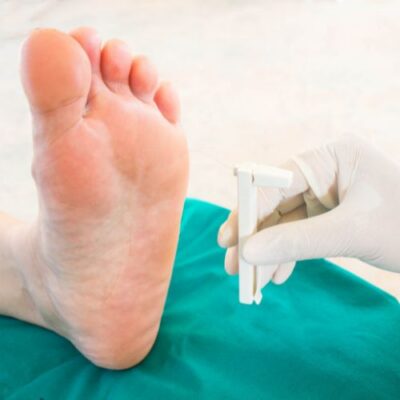
Treatment for gangrene depends on how far the tissue damage has progressed, but it often starts with antibiotics to control infection. Doctors may also perform surgical removal of dead tissue, called debridement, to stop the problem from spreading into nearby healthy tissue.
In some cases, hyperbaric oxygen therapy is used to increase oxygen delivery to damaged areas and support healing. More advanced cases may require additional procedures to restore blood flow or remove severely affected tissue.
Early treatment matters for amputation prevention by limiting tissue loss, reducing infection, and improving the chances of saving the limb. When gangrene is caught quickly, patients are often less likely to need major surgery or amputation.
Amputation Prevention Tips and When to Seek Help
Proper wound care is one of the best methods for amputation prevention. Clean cuts and sores promptly, keep them covered, and watch for signs of infection. For people with diabetes, steady blood sugar management is also important because high glucose can slow healing and damage circulation.
Regular foot inspections help catch issues before they become serious, including:
- Blisters
- Wounds
- Color changes
- Numb areas
Seek immediate medical attention if a wound becomes increasingly painful, swollen, foul-smelling, or discolored. The same is true if your skin turns black or you develop fever, chills, or sudden numbness. Quick treatment can help prevent severe tissue damage.
Choose APEX Vascular for Gangrene Treatment in East TN
At APEX Vascular, gangrene care focuses on early detection and fast treatment to help prevent severe complications, including amputation. The condition often develops from untreated vascular disease, so it’s important not to wait when you notice open wounds, color changes, severe pain, numbness, or foul-smelling discharge.
Our approach includes wound care, minimally invasive procedures to restore blood flow, bypass surgery when needed. Surgical solutions along with medications may be used to treat infection and underlying vascular problems.
Amputation may still be necessary if tissue damage is too advanced, which is why timely evaluation matters so much for amputation prevention. Staying vigilant and seeking prompt medical care at the first sign of a non-healing wound can make a major difference in preserving a leg or foot.

Gangrene is tissue death caused by reduced blood flow, infection, or both, often affecting the limbs. Early symptoms include discoloration, pain, swelling, numbness, and wounds that do not heal. Prompt treatment is essential to prevent serious complications. APEX Vascular offers early diagnosis and advanced care to restore circulation and help save affected limbs.
APEX Vascular is a vascular surgery and vein center with locations in Knoxville, Oak Ridge, Lenoir City, Sevierville, Crossville, Decatur, and Harrogate, TN. We are dedicated to delivering personalized, high-quality care that goes beyond medical treatment. Our exceptional vascular staff, boasting extensive experience in vascular surgery, works tirelessly to elevate the standards of patient care and contribute to your overall well-being. Visit us online or call us at 865-562-3232 to request an appointment today!