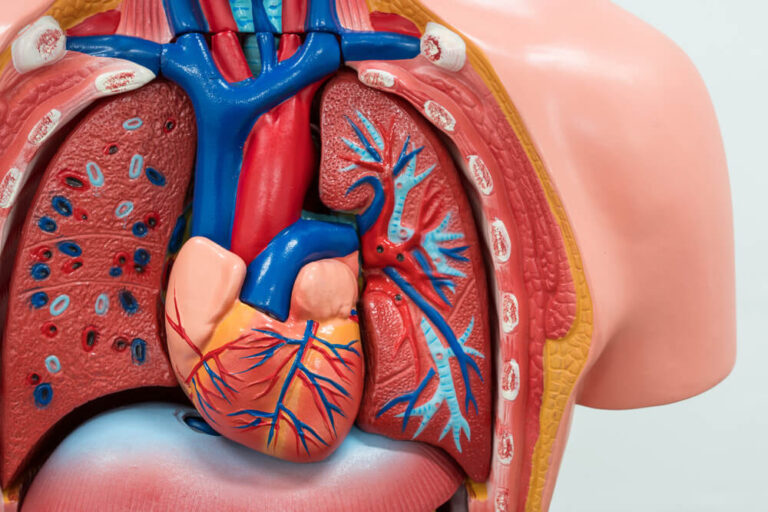

The carotid arteries supply oxygen-rich blood to your brain. Narrowing from carotid artery disease significantly increases stroke risk, making surgery (carotid endarterectomy) a key preventive option. Knowing what to expect before, during, and after surgery helps patients prepare, reduces anxiety, and supports smoother recovery.
Carotid artery surgery procedures such as carotid endarterectomy or stenting restore blood flow, guided by imaging and patient-specific factors. Recovery involves monitoring and gradual return to activity. APEX Vascular provides expert evaluation, treatment, and personalized care to help reduce stroke risk and support long-term vascular health.
When Surgery Is Recommended
Surgery is usually recommended when the carotid arteries are significantly narrowed by plaque and the risk of stroke is high. This is often considered when the risk of stroke is high and conservative forms of treatment, like medication or lifestyle changes, aren’t enough to safely manage that risk.
Doctors may consider carotid artery surgery after symptoms of transient ischemic attack (TIA) or stroke warning signs. They may even recommend surgery when no symptoms are present if imaging shows severe blockage.
Ultrasound is often the first test. Computed tomography angiography (CTA) and magnetic resonance angiography (MRA) may also be used to provide more detailed views of the arteries.
Surgery is generally based on the degree of narrowing, prior neurologic symptoms, and your overall health and risk factors.
Types of Carotid Artery Surgery and How They Work
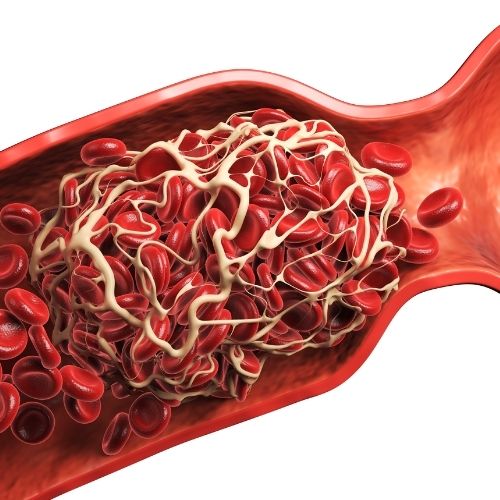
Carotid artery surgery is an umbrella term for procedures that open or bypass a narrowed carotid artery to improve blood flow to the brain.
The traditional approach is carotid endarterectomy (CEA). It involves a surgeon making an incision in the neck and removing the plaque buildup directly from the artery. Carotid artery stenting (CAS) is a minimally invasive option that uses a catheter and mesh stent to expand the artery from the inside.
CEA is often performed with local or general anesthesia, while CAS is usually done with local anesthesia and sedation. Physicians choose the best option based on the patient’s symptoms, age, anatomy, overall health, and stroke risk.
Preparing for Surgery
Before carotid artery surgery, you’ll undergo a preoperative evaluation that may include:
- Imaging studies
- Lab work
- Cardiac clearance
These steps help to confirm that you’re ready for the procedure. Your surgical team also reviews medications carefully, since blood thinners and antiplatelet drugs may need to be paused or adjusted to reduce bleeding risk.
Preparation often includes fasting after midnight and stopping smoking. You will also need to follow guidance on hydration up until the instructed cutoff time.
The day before surgery, you’ll likely be asked to:
- Confirm arrival details
- Arrange transportation
- Follow any final instructions from your care team
On the morning of surgery, you should take only approved medications and arrive on time. It is also important to discuss the possible benefits, risks, and alternatives so informed consent is complete.
What Happens During the Procedure
During CEA, your surgeon makes an incision in the neck to expose the carotid artery and temporarily clamps blood flow. Once the artery is open, they remove the plaque that’s causing the narrowing. The artery is then repaired and closed to restore smoother blood flow to the brain.
CEA may be done under local or general anesthesia, depending on you and your surgeon’s preference. During the operation, the surgical team closely monitors your neurological status and blood flow to help protect the brain.
The procedure usually takes about 1 to 2 hours, with safety measures including:
- Blood pressure control
- Careful clamping
- Continuous observation for signs of reduced brain perfusion
CAS is a minimally invasive alternative that often involves a shorter recovery time than CEA. During this procedure, the artery is opened from inside with a catheter and stent rather than through a neck incision.
Recovery and Aftercare

Although complications are rare, you’ll still be closely monitored in the hospital for:
- Blood pressure
- Heart rate
- Incision status
- Any neurologic changes
Nurses and physicians check vital signs and perform frequent neurological exams to make sure blood flow to the brain remains stable.
Common short-term effects include:
- Neck soreness
- Mild swelling
- A sore throat
- Fatigue
Many patients go home the same day or after an overnight stay, depending on the procedure and their overall condition. At home, recovery usually involves rest, wound care, and taking prescribed medications exactly as directed. Heavy lifting, strenuous exercise, and driving are often restricted for a short time, with a gradual return to normal activity.
Follow-up visits and imaging help confirm healing and assess artery patency.
Choose APEX Vascular for Carotid Artery Care in East TN
Choosing APEX Vascular for carotid artery surgery provides clear advantages rooted in early detection and personalized care. Our board-certified vascular specialists emphasize that catching carotid artery disease early can prevent up to one-third of all strokes through risk assessment and individualized treatment.
At APEX Vascular, we offer both minimally invasive options like carotid angioplasty/stenting and transcarotid artery revascularization (TCAR), as well as carotid endarterectomy. Each form of treatment is tailored to what best suits your needs.
Our team prioritizes patient education and adherence to follow-up care, ensuring that you understand lifestyle changes, medications, and monitoring. We provide you with personalized guidance on the best procedure for your condition.

Carotid artery surgery is advised when plaque buildup significantly increases stroke risk, particularly after symptoms or unsuccessful conservative care. Procedures restore blood flow based on individual factors. Recovery includes monitoring and gradual activity. APEX Vascular offers advanced treatment and care to reduce stroke risk and support vascular health.
APEX Vascular is a vascular surgery and vein center with locations in Knoxville, Oak Ridge, Lenoir City, Sevierville, Crossville, Decatur, and Harrogate, TN. We are dedicated to delivering personalized, high-quality care that goes beyond medical treatment. Our exceptional vascular staff, boasting extensive experience in vascular surgery, works tirelessly to elevate the standards of patient care and contribute to your overall well-being. Visit us online or call us at 865-562-3232 to request an appointment today!