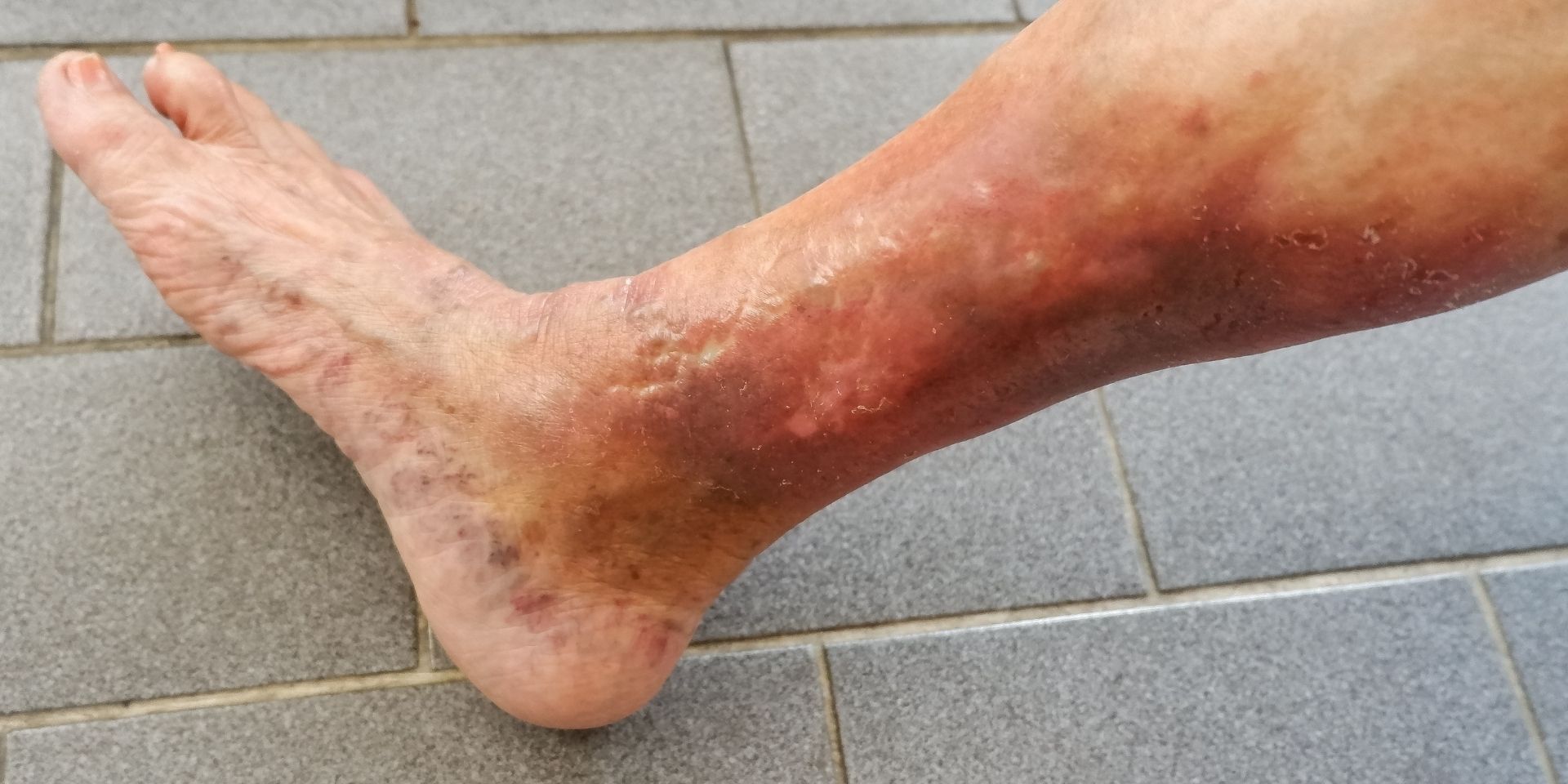
Varicose veins are enlarged, twisted veins that usually appear in the legs and can cause aching, swelling, heaviness, and discomfort. Preventing them helps protect leg comfort and circulation. However, it’s important to seek professional care if symptoms worsen, affect daily life, or don’t improve with self-care.
Ways to prevent varicose veins include:
- Wear compression stockings
- Avoid sitting or standing for long periods
- Get regular exercise
- Eat a healthy diet
- Stay hydrated
- Elevate your legs
- Avoid tight clothing around the waist, legs, and groin
Ways to Prevent Varicose Veins
Ways to prevent varicose veins focus on improving circulation and reducing pressure in the legs. While these daily habits might seem simple, they share one crucial medical goal: improving lower-body circulation and reducing gravity’s downward pressure on your leg veins. Here is exactly how each of these steps protects your vascular health.
1. Wear compression stockings
Compression stockings, also known as support stockings, are one of the best ways to prevent varicose veins. They’re tight around the ankle and become less tight the higher they go. They help increase the circulation of blood in the leg by redirecting the flow to the heart from the leg.
Compression stockings come in different ratings and your condition will impact the type you need. For instance, pregnant women or those with mild swelling may start with a 15-20 mmHg rating, while professionals on their feet all day often require a firmer 20-30 mmHg to get the most benefits.
2. Avoid sitting or standing for long periods
People in professions that require standing or sitting for long periods of time run a greater risk of developing varicose veins. These professions include:
- Teachers
- Commercial drivers
- Medical professionals
- Hairstylists
- Office workers
Sitting or standing for long periods of time magnifies gravity’s effect. This causes blood to flow backward in the legs, especially in patients whose veins are genetically predisposed to weaken, with the inflammation resulting from blood pooling in the leg.
This is why sitting or standing at regular intervals is one of the best ways to prevent varicose veins and alleviate their symptoms. Both groups can benefit from doing calf raises or other exercises that engage the leg and calf muscles when stationary to help get the blood pumping.
3. Get regular exercise
Being overweight puts extra pressure on our arteries, but not many people realize that it puts extra pressure on our veins, as well. The extra weight increases pressure in the abdomen, which makes it harder for blood in the legs to flow back up to the heart, putting downward strain on the one-way valves.
In some patients, this can lead to complications of:
- Discoloration
- Sores
- Rashes
In worst-case scenarios, when left untreated, it can even lead to blood clots or bleeding.
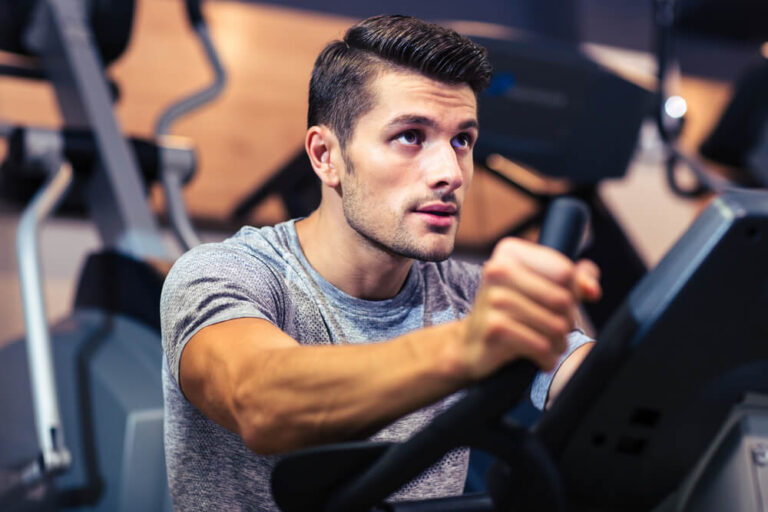
In general, people who exercise tend to have fewer complaints about varicose vein symptoms than those who do not, so exercise is encouraged. This can be as easy as walking for 30 minutes a day, five days a week, making it one of the key ways to prevent varicose veins.
4. Eat a healthy diet
Eating a healthy diet is one of the essential ways to prevent varicose veins by supporting better circulation and reducing strain on the vein system.
To support a healthy weight and reduce stress on your veins, eat more:
- Fruits
- Vegetables
- Whole grains
- Legumes
- Lean proteins
A high-fiber, low-salt diet to reduce constipation and swelling is especially helpful because fiber helps keep bowel movements regular. This lowers pressure in the lower abdomen and legs, while less sodium helps limit water retention and leg swelling.
5. Stay hydrated
Drinking enough water throughout the day is a simple habit that supports overall vein health and may lower the risk of veins becoming stretched and more visible over time. As one of the main ways to prevent varicose veins, proper hydration supports healthy blood volume and helps prevent water retention, which reduces the outward swelling that puts extra strain on your vein walls.
Good hydration also supports healthy blood volume and circulation, reducing extra strain on vein walls and valves. It may help limit leg swelling, too, since proper fluid balance can reduce water retention.
6. Elevate your legs
One of the most helpful ways to prevent varicose veins is to elevate your legs whenever possible. Make sure that your feet and legs are above your heart when elevating them. It makes it easier for blood that has pooled in your legs to flow to your heart and improve circulation. You can also elevate your legs while sitting during your break.
People who work in healthcare, teaching, and other professions that require standing should do this as soon as their shift ends. Elevate your legs three times a day for 15 – 20 minutes for the best results.
7. Avoid tight clothing around the waist, legs, and groin
Avoiding tight clothing around the waist, legs, and groin is one of the more surprising ways to prevent varicose veins. It works by reducing pressure on the veins that carry blood back to the heart.
When clothing is too snug, it can restrict circulation, making it harder for blood to move freely through the lower body. This encourages blood to pool in the legs and increase swelling or vein strain over time.
Choosing looser, more comfortable clothing helps blood flow more efficiently and lowers unnecessary pressure on already vulnerable veins, which may reduce the chance of varicose veins developing or worsening.
When to Seek Medical Treatment
All of these tips will help reduce your risk and alleviate the symptoms of varicose veins. However, it’s important to understand that varicose veins are a chronic and progressive condition that worsens over time, though symptoms may subside for a while.
Seek medical attention if varicose veins cause persistent:
- Pain
- Swelling
- Heaviness
- Skin darkening
- Itching
- Sores that won’t heal
It’s better not to wait until your condition worsens to seek treatment for varicose veins. Today’s treatments are minimally invasive and can be performed in-office. Seek urgent care if a vein bleeds, becomes hard/warm/tender, or one leg suddenly swells or hurts, since that can signal a clot. If symptoms are getting worse or home care isn’t helping, it’s time to see a clinician.
Choose APEX Vascular for Varicose Vein Treatment in Tennessee
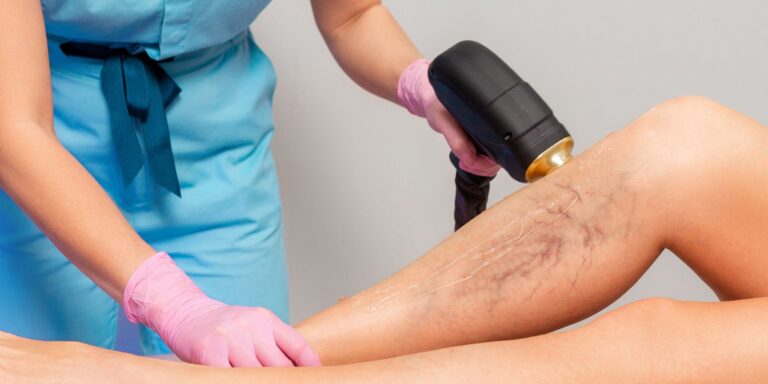
Varicose vein treatment at APEX Vascular in East Tennessee offers lasting relief by targeting the root cause of venous disease, not just the appearance. Our vascular surgeons use ultrasound imaging to precisely identify faulty valves and blood flow problems before tailoring a treatment plan.
You’ll benefit from multiple minimally invasive options, including sclerotherapy, several types of endovenous ablation, and ambulatory phlebectomy. They can permanently eliminate varicose veins, restore normal circulation, and reduce venous pressure. With convenient locations across East Tennessee, including Knoxville, Oak Ridge, and Sevierville, you can receive specialized vascular care close to home.

Preventing varicose veins involves improving circulation and reducing pressure on leg veins. Wear compression stockings, stay active, maintain a healthy weight, and avoid prolonged sitting or standing. Eat a balanced diet, stay hydrated, elevate your legs, and avoid tight clothing. Seek medical care if symptoms like pain, swelling, or skin changes develop.
APEX Vascular is a vascular surgery and vein center with locations in Knoxville, Oak Ridge, Lenoir City, Sevierville, Crossville, Decatur, and Harrogate, TN. We are dedicated to delivering personalized, high-quality care that goes beyond medical treatment. Our exceptional vascular staff, boasting extensive experience in vascular surgery, works tirelessly to elevate the standards of patient care and contribute to your overall well-being. Visit us online or call us at 865-562-3232 to request an appointment today!