Healthy circulation depends on a coordinated network of arteries and veins that keep blood moving throughout the body. Understanding arterial vs. venous insufficiency can help you recognize concerning symptoms, seek timely care, and protect your long-term vascular health.
Arterial insufficiency limits oxygen-rich blood flow to the legs and feet. Venous insufficiency prevents blood from returning efficiently to the heart, causing it to pool in the lower legs. Both can cause pain, swelling, skin changes, and slow-healing wounds, but they require different treatment approaches. APEX Vascular provides expert vascular evaluations and personalized treatment throughout East Tennessee.
How Blood Vessels Support Circulation
When comparing arterial vs. venous insufficiency, arterial disease involves restricted incoming blood flow. Venous disease involves impaired return flow and pressure buildup in the veins.
The central difference is whether blood has trouble getting to the tissues or trouble getting back to the heart. Both conditions can affect mobility, comfort, wound healing, and overall quality of life.
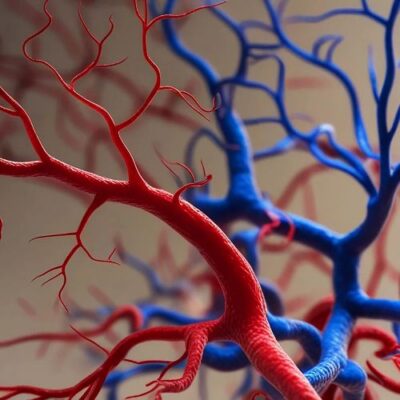
Arteries and veins have distinct but equally important jobs. Arteries carry oxygen-rich blood away from the heart to nourish:
- Muscles
- Skin
- Organs
- Other tissues
Veins return oxygen-depleted blood back to the heart, often working against gravity in the legs.
Arterial vs Venous Insufficiency: The Core Difference
Arterial insufficiency occurs when narrowed or blocked arteries reduce blood flow to an area of the body, commonly the legs and feet. Peripheral artery disease (PAD) is often caused by a buildup of fatty plaque. Without adequate oxygen-rich blood, tissues may struggle to function and heal.
Venous insufficiency occurs when valves inside the leg veins become weakened or damaged. Instead of pushing blood upward toward the heart, the veins allow blood to pool in the lower legs. Understanding arterial vs. venous insufficiency can help patients recognize whether their symptoms may be related to poor blood flow to the tissues or blood pooling in the veins.
Symptoms of Arterial Insufficiency
Symptoms of arterial insufficiency may develop slowly, particularly in people with PAD. A common sign is leg pain, cramping, or fatigue during walking or physical activity that improves with rest. This is known as claudication.
Other possible symptoms include:
- Cool skin on one foot or leg
- Numbness, weakness, or tingling
- Pale, bluish, or shiny skin
- Reduced hair growth on the legs
- Slow-healing sores on the feet or toes
- Pain at rest in advanced cases
Both arterial and venous insufficiency can cause leg pain and slow-healing wounds, but the wounds often look and feel different. Arterial wounds commonly develop on the toes, feet, heels, or other pressure points. They can be very painful because reduced blood flow limits oxygen delivery to the tissue.
Any foot wound that doesn’t begin to heal should be evaluated promptly, regardless of your health history. People with diabetes or a history of smoking may face a higher risk of circulation problems and complications, making timely evaluation especially important.
Symptoms of Venous Insufficiency
Venous insufficiency often causes symptoms that worsen after prolonged standing or sitting and improve when the legs are elevated. Patients may notice heaviness, aching, throbbing, itching, or tiredness in their legs by the end of the day.
Visible signs can include:
- Varicose veins
- Spider veins
- Ankle swelling
- Skin discoloration
Thickened or hardened skin around the lower legs may also occur. In more advanced disease, venous ulcers may form near the ankles.
This location matters when considering arterial vs. venous insufficiency. Venous ulcers commonly develop around the inner ankle, while arterial ulcers are more likely to affect the toes or outer foot.
Risk Factors and Diagnosis
Some risk factors overlap. For example, age, limited activity, obesity, family history, and smoking can all contribute to vascular problems.
However, arterial disease is more closely associated with atherosclerosis, diabetes, high blood pressure, high cholesterol, and tobacco use. Venous disease is often linked to pregnancy, prior blood clots, occupations involving long periods of standing, and a family history of varicose veins.
A vascular specialist can distinguish arterial vs. venous insufficiency through a detailed history, physical examination, and appropriate testing. Arterial testing may include an ankle-brachial index (ABI), which compares blood pressure in the ankle and arm, as well as arterial ultrasound imaging.
Venous ultrasound can assess blood flow and identify reflux caused by faulty valves. Specialists evaluate for conditions such as deep vein thrombosis.
Why Early Treatment Matters
Untreated arterial insufficiency can progress to serious tissue damage, non-healing wounds, infection, and limb-threatening ischemia in severe cases. Venous insufficiency may lead to chronic swelling, skin changes, recurring ulcers, and reduced mobility.
Treatment depends on the diagnosis and severity. Lifestyle changes are often important for arterial health, including:
- Smoking cessation
- Regular activity
- Blood pressure management
- Diabetes control
Treatment for venous disease may involve movement, leg elevation, and compression therapy when appropriate. Minimally invasive procedures to close malfunctioning veins may also be implemented.
Self-treating leg symptoms can be risky because it may delay diagnosis of a serious circulation problem or another condition that needs professional care. Compression garments, for example, may not be appropriate for someone with significant arterial disease. A professional evaluation is the safest way to determine the cause of leg pain, swelling, or wounds.
Choose APEX Vascular for Venous and Arterial Insufficiency
APEX Vascular provides personalized, high-quality vascular care for patients in Lenoir City, Knoxville, Crossville, and throughout East Tennessee. Our experienced team offers evaluation and treatment for peripheral artery disease, varicose veins, deep vein thrombosis, and other vascular concerns.
For arterial vs. venous insufficiency, we educate you about endovascular and surgical options while creating an individualized plan centered on each patient’s goals. At APEX Vascular, you’ll benefit from board-certified expertise, compassionate guidance, and a team committed to respectful care and better outcomes.
Arterial insufficiency reduces the delivery of oxygen-rich blood to the legs and feet, while venous insufficiency allows blood to collect in the lower legs instead of flowing back to the heart effectively. Both conditions may cause discomfort, swelling, skin changes, and wounds. APEX Vascular offers personalized evaluation and treatment across East Tennessee.
APEX Vascular is a vascular surgery and vein center with locations in Knoxville, Oak Ridge, Lenoir City, Sevierville, Crossville, Decatur, and Harrogate, TN. We are dedicated to delivering personalized, high-quality care that goes beyond medical treatment. Our exceptional vascular staff, boasting extensive experience in vascular surgery, works tirelessly to elevate the standards of patient care and contribute to your overall well-being. Visit us online or call us at 865-562-3232 to request an appointment today!