Peripheral artery disease reduces blood flow to limbs, causing pain and physical limitations that significantly impair quality of life and daily functioning. Early detection is vital since symptoms often appear, increasing the risks of limb loss and cardiovascular events.
Peripheral artery disease results from plaque buildup, narrowing arteries and reducing blood flow to the limbs. Early symptoms include leg pain and skin changes, with risks like smoking and diabetes worsening the condition. Treatment ranges from lifestyle changes and medications to minimally invasive procedures. APEX Vascular offers expert care using advanced techniques to restore circulation and preserve limb health.
How PAD Develops and Why Treatment Matters
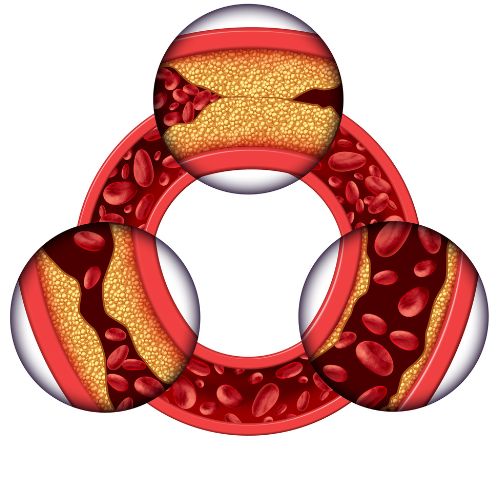
Peripheral artery disease (PAD) develops when atherosclerosis occurs—a process where plaque made of fat, cholesterol, and other substances slowly builds up on artery walls. This progressively narrows and hardens the vessels that supply blood to the limbs.
If left untreated, PAD can result in:
- Critical limb ischemia
- Infections
- Limb loss
Complications such as these highlight the importance of early detection and intervention to prevent irreversible damage.
Recognizing Symptoms and Risk Factors
Peripheral artery disease commonly presents with leg pain during walking (claudication). It can also cause:
- Cold feet
- Reduced hair growth
- Shiny skin
- Weakness
- Wounds or ulcers that do not heal
Major risk factors include:
- Diabetes
- High blood pressure
- High cholesterol
- Obesity
- Physical inactivity
- Smoking
- Unhealthy diet
Modifying these risk factors through smoking cessation, improved diet, increased physical activity, and careful management of underlying conditions is crucial to slow disease progression and prevent severe complications such as tissue loss or amputation.
What Is the Best Treatment for Peripheral Artery Disease?
The best treatment for peripheral artery disease depends on the severity of the case. For early stages of the disease, doctors may recommend lifestyle changes and medications to manage blood pressure, cholesterol, and diabetes. Advanced cases may require minimally invasive procedures like angioplasty or atherectomy to restore blood flow, relieve symptoms, and promote healing.
Early-Stage Treatment: Lifestyle Changes and Medical Therapy

Lifestyle changes and medical therapy are essential early-stage treatments for peripheral artery disease because they target the underlying causes and reduce disease progression. This comprehensive approach is recommended to reduce major cardiovascular and limb-related adverse events in PAD patients.
Lifestyle modifications include:
- Quitting smoking
- Increasing physical activity
- Improving diet
- Managing weight
These changes improve blood flow, reduce plaque buildup, and decrease cardiovascular risk factors. Specifically, smoking cessation is vital as tobacco use accelerates PAD progression. Increasing activity, such as structured exercise, improves walking ability and circulation.
Medications help control contributing conditions such as high blood pressure, high cholesterol, and diabetes—all of which worsen atherosclerosis in PAD. Statins reduce cholesterol and lower cardiovascular events while antihypertensives manage blood pressure and improve vascular health. Diabetes management prevents further arterial damage.
Early intervention with these therapies slows disease progression, prevents complications like tissue loss and amputations, and improves quality of life through better limb function and reduced symptoms. Ongoing management and monitoring are critical for optimal outcomes.
Advanced Treatments: Restoring Circulation
Advanced treatments of peripheral artery disease restore circulation through minimally invasive procedures. They’re needed when lifestyle changes and medication alone do not adequately address PAD symptoms or complications, helping to prevent severe outcomes. This is important for patients with moderate to advanced PAD with significant symptoms or non-healing wounds.
These procedures improve blood flow, leading to:
- Symptom relief
- Enhanced limb function
- The healing of ulcers
Angioplasty involves threading a catheter with a small balloon into the narrowed artery, inflating it to widen the vessel, and then placing a stent to keep the artery open and maintain blood flow. Atherectomy uses a specialized device to shave or grind away hard or calcified plaque blocking the artery.
The Role of Individualized Care
Individualized care is crucial for managing peripheral artery disease. This is because treatment must be tailored to each patient’s specific stage and severity of the condition. For example, early-stage PAD may respond well to lifestyle changes and medications, while advanced cases often require specialized procedures.
Personalized care:
- Maximizes symptom relief
- Preserves limb function
- Enhances overall quality of life
Collaboration with vascular specialists ensures that patients receive the most appropriate therapies and ongoing monitoring. They are specially trained to detect changes early and adjust treatments accordingly. Prompt medical evaluation for symptoms like leg pain or non-healing sores is essential to prevent complications and improve outcomes.
Choose APEX Vascular for Your PAD Treatment
At APEX Vascular, your peripheral artery disease treatment is performed by a team of highly trained vascular and microvascular surgeons. They deliver comprehensive and advanced vascular care with a focus on personalized, evidence-based treatment plans.
Our team uses the latest minimally invasive procedures like angioplasty, stenting, and atherectomy to restore circulation and preserve limb function. We emphasize limb preservation and avoiding amputation through innovative techniques and ongoing patient monitoring.
We focus on an approach that combines risk assessment, preventive therapies, and advanced interventions to improve mobility and quality of life. This reflects our commitment to meeting high-quality standards and providing top-tier vascular care beyond just location convenience.

PAD occurs when plaque narrows arteries, limiting blood flow to the limbs. Early signs include leg pain and skin changes, with risk factors such as smoking and diabetes increasing severity. Treatments vary from lifestyle adjustments and medications to minimally invasive procedures. APEX Vascular provides specialized care to restore circulation and protect limb function.
APEX Vascular is a vascular surgery and vein center with locations in Knoxville, Lenoir City, Crossville, Decatur, and Harrogate, TN. We are dedicated to delivering personalized, high-quality care that goes beyond medical treatment. Our exceptional vascular staff, boasting extensive experience in vascular surgery, works tirelessly to elevate the standards of patient care and contribute to your overall well-being. Visit us online or call us at 865-562-3232 to request an appointment today!