
Vein screenings use ultrasound or visual exams to spot circulation issues, including varicose veins, venous insufficiency, and blood clots early, often before symptoms appear. Early detection can prevent more serious complications. But when should you start scheduling regular vein screenings to protect your vascular health?
It’s generally recommended to start scheduled vein screenings around age 50 to support long-term vein and circulation health. Earlier screenings are advised for those with risk factors like a family history of varicose veins, obesity, or prolonged standing. Symptoms such as leg swelling or visible varicose veins also warrant prompt evaluation. APEX Vascular offers free screenings to help detect and manage vein health issues early.
What Is a Vein Screening?
A vein screening is a simple, non-invasive exam that helps check the health of your veins and blood flow. During the screening, a vascular specialist uses ultrasound technology or a visual exam to quickly look at how well your veins are working.
The process:
- Is painless
- Does not require needles or downtime
- Usually takes less than 30 minutes
Doctors use vein screenings to identify potential problems such as blocked veins, valve issues, varicose veins, or risks for developing blood clots early on.

When To Start Getting Scheduled Vein Screenings
The time to begin scheduled vein screenings can vary, but starting around age 50 is a reasonable guideline for most healthy adults. Regular vascular screenings starting at age 50 help support long-term vein health and overall circulation.
These screenings are quick, non-invasive evaluations that allow doctors to assess blood flow and vein function. One important step is getting a baseline screening, which serves as a reference point and helps track changes in vascular health as you age.
By beginning screenings at age 50, you give your doctor the opportunity to identify potential issues early and recommend preventive care if needed. Taking a proactive approach offers far greater benefits than waiting until problems develop, when treatment may be more complex.
Who Should Consider Vein Screenings?
Certain people should consider getting a vein screening sooner rather than waiting until later in life. Risk factors that make screenings more important include:
- Having a family history of vein disease
- Being over the age of 50
- Living with obesity or a sedentary lifestyle
Pregnancy, especially multiple pregnancies, can also increase vein stress. Jobs that require long periods of standing or sitting without movement can be another risk factor. A personal history of blood clots or circulation problems is another key concern.
If you identify with one or more of these risk factors, you fall into a higher-risk group and benefit from earlier, routine screenings. Knowing your risk level helps ensure problems are detected and managed before they progress, protecting your long-term vascular health.
Signs You Shouldn’t Wait For a Screening
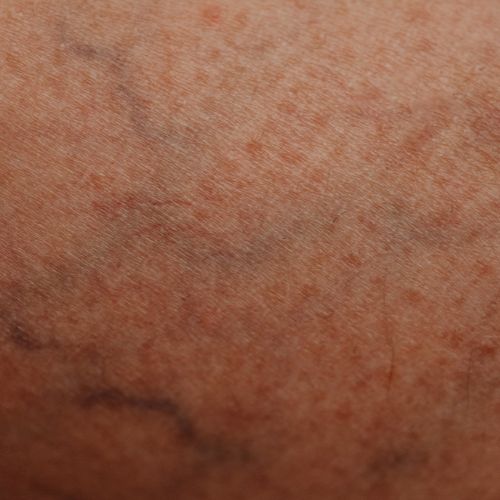
There are certain warning signs that mean you shouldn’t delay scheduling a vascular screening. For example, persistent swelling in your legs or ankles can indicate circulation problems. Similarly, visible varicose veins or clusters of spider veins are another signal that your veins may not be functioning properly.
Many people also experience:
- Leg pain
- Cramping
- A heavy, aching sensation
This can be especially common after long periods of standing.
More advanced signs include skin discoloration on the lower legs or the development of non-healing ulcers. Waiting until these symptoms worsen can lead to more serious complications, so it’s important to schedule a screening promptly if you notice them.
Benefits of Routine Vein Screenings
Routine vein screenings offer important benefits for maintaining long-term vascular health. By detecting issues early, screenings help prevent the progression of venous disease before it develops into more serious conditions. They also reduce the risk of blood clots and related complications that can threaten overall health.
Catching circulation problems early not only helps protect against advanced disease but also improves daily comfort and quality of life. Screenings give doctors the information needed to create tailored prevention plans, whether that involves:
- Compression therapy
- Lifestyle adjustments
- Targeted treatments
This ensures that patients receive the right care at the right time.
Choose APEX Vascular for Your Free Vein Screening in East Tennessee
Early and scheduled screenings are essential for detecting vein issues before they worsen, but the timing varies for each person based on individual risk factors. APEX Vascular offers a valuable free vein screening in East Tennessee to help you take charge of your vein health early.
Our complimentary consultation helps determine if you need further diagnostic tests or treatment. If you’re in a higher-risk group or notice symptoms, consulting a vascular specialist at APEX ensures personalized care and proactive management. Taking this first step with APEX Vascular is a smart, reassuring way to protect your long-term vascular health.
Scheduled vein screenings typically begin around age 50 to support circulation and vein health. Those with risk factors like family history, obesity, or prolonged standing should consider earlier screening. Symptoms such as leg swelling or varicose veins also call for prompt evaluation. APEX Vascular offers free screenings to help detect and manage vein issues early.

APEX Vascular is a vascular surgery and vein center with locations in Knoxville, Lenoir City, Crossville, Decatur, and Harrogate, TN. We are dedicated to delivering personalized, high-quality care that goes beyond medical treatment. Our exceptional vascular staff, boasting extensive experience in vascular surgery, works tirelessly to elevate the standards of patient care and contribute to your overall well-being. Visit us online or call us at 865-562-3232 to request an appointment today!