Carotid artery disease is a common but serious condition that significantly increases your risk of stroke. Understanding the condition empowers you to take preventive steps and seek timely treatment. A clear, comprehensive understanding helps patients and caregivers navigate carotid artery disease with confidence and informed care.
Carotid artery disease narrows blood flow to the brain, often developing without symptoms. Diagnosis uses exams and imaging tests. Treatment includes lifestyle changes, medications, or medical procedures. Prevention focuses on healthy living, screenings, and quitting smoking. APEX Vascular provides expert, personalized care.
What Is Carotid Artery Disease?
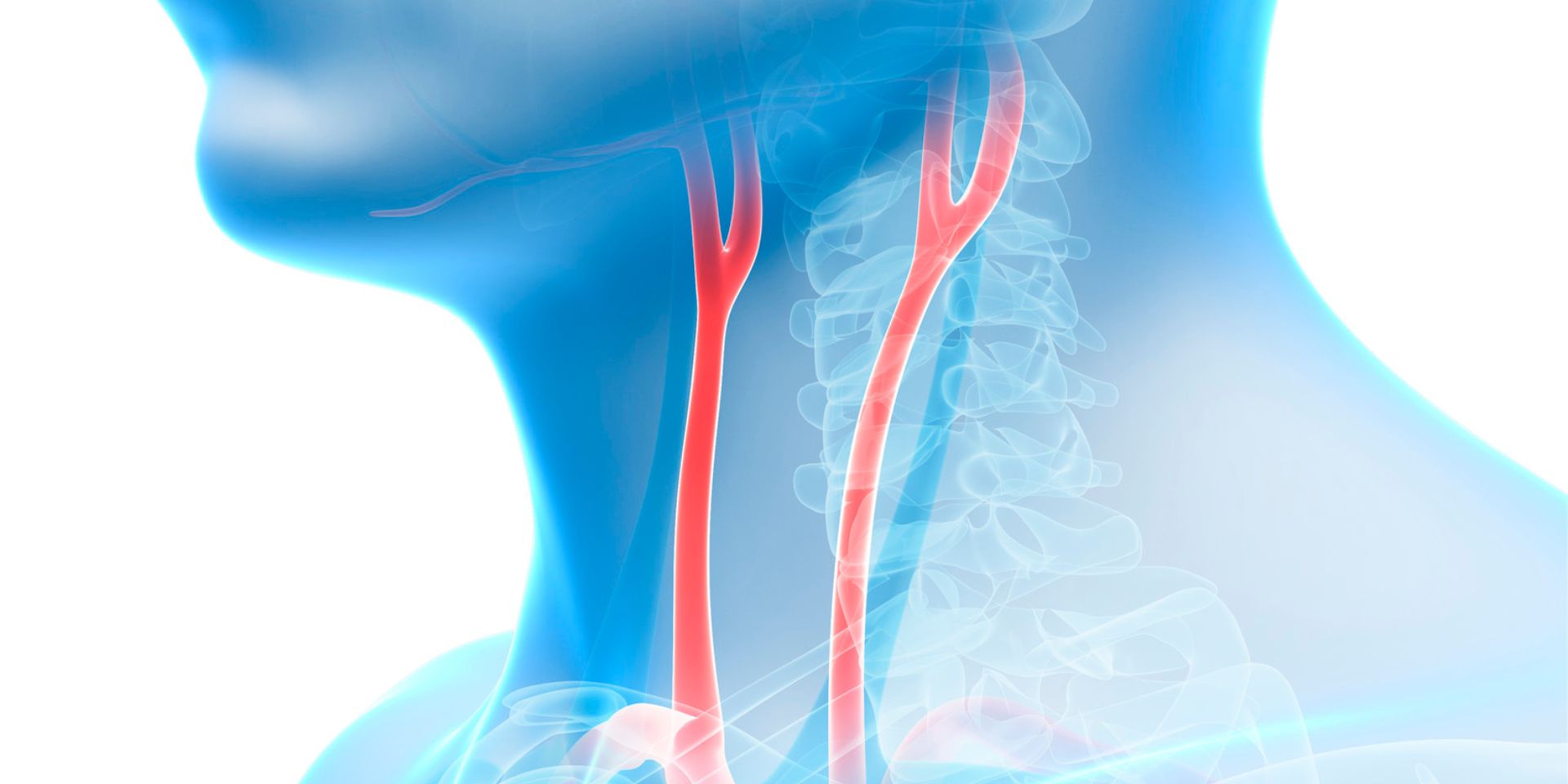
Carotid artery disease is a condition in which the carotid arteries, the major blood vessels that supply blood to the brain, become narrowed due to plaque buildup. Plaque is made up of cholesterol, fat, calcium, and other substances. These accumulate along the artery walls, causing them to harden and narrow.
This narrowing reduces the flow of oxygen-rich blood to the brain, which can weaken brain function over time. More importantly, it significantly increases the risk of stroke, either from reduced blood flow or from a blood clot that forms and blocks circulation to part of the brain.
Causes and Risk Factors

Carotid artery disease is most commonly caused by atherosclerosis, a condition where plaque builds up on the inner walls of the arteries. Several risk factors influence its development.
Age increases susceptibility, while chronic conditions such as high blood pressure, high cholesterol, and diabetes accelerate plaque buildup. Smoking damages blood vessels and significantly raises risk, as does a family history of vascular disease.
In addition, lifestyle contributors such as a poor diet high in saturated fats, lack of regular physical activity, and obesity can all worsen arterial health. This makes prevention and early management essential.
Symptoms and Warning Signs
Carotid artery disease often develops quietly, with no symptoms in its early stages. Many people remain unaware they have it until the narrowing of the arteries is severe or a serious event occurs.
One important warning sign is a transient ischemic attack (TIA), sometimes called a “mini-stroke.” In some cases, “silent strokes” may occur without obvious symptoms, causing unnoticed brain damage that only shows up later.
Symptoms of a TIA may include:
- Sudden weakness or numbness on one side of the body
- Temporary vision problems
- Dizziness
- Difficulty speaking
- Confusion
These episodes usually last only a few minutes but serve as a critical warning of stroke risk.
How Carotid Artery Disease Is Diagnosed
Carotid artery disease is usually diagnosed through a combination of a doctor’s evaluation and imaging tests. During a physical exam, your physician may listen to your neck with a stethoscope for a bruit—an abnormal sound caused by turbulent blood flow.
Early and routine screenings are an essential part of prevention for people with risk factors such as:
- Age
- Hypertension
- Smoking
The most common diagnostic test is a carotid ultrasound, which uses sound waves to show how blood flows through the arteries and detect plaque buildup. In some cases, more detailed imaging like CT angiography or MR angiography is used to provide cross-sectional views of the arteries.
Treatment Options

Treatment for carotid artery disease focuses on reducing stroke risk and improving blood flow, with options tailored to each person’s health profile. Lifestyle changes are often the first step.
These include:
- Adopting a heart-healthy diet low in saturated fats
- Increasing physical activity
- Maintaining a healthy weight
- Quitting tobacco use
Making these changes greatly reduces your risk of vascular damage.
Medications may also be prescribed with blood thinners like aspirin, helping prevent clots, and statins, lowering cholesterol and reducing plaque buildup. Antihypertensives add further support by controlling blood pressure.
Medical procedures may be necessary in more advanced cases. A carotid endarterectomy surgically removes plaque from the artery, while carotid artery stenting uses a small mesh tube to keep the artery open.
The choice between medical therapy, surgery, or stenting depends on the:
- Severity of narrowing
- Your overall health
- Your individual stroke risk
Because every patient is different, treatment should be highly personalized and guided by your physician’s recommendations.
Prevention and Healthy Living Tips
Preventing carotid artery disease revolves around protecting artery health and lowering stroke risk. Key steps include maintaining healthy blood pressure and cholesterol levels through proper diet, exercise, and—when needed—medications.
A balanced diet of fruits, vegetables, whole grains, and lean proteins supports vascular health. At the same time, regular physical activity keeps circulation strong.
The single most effective preventive measure is to quit smoking, which immediately reduces vascular damage. Additionally, managing stress and scheduling regular medical checkups help detect problems early, allowing for timely intervention and long-term protection.
When To See a Doctor
You should seek immediate medical attention if you experience symptoms such as sudden weakness or numbness on one side of the body, confusion, difficulty speaking, or sudden vision loss. These may signal a transient ischemic attack or stroke. Do not delay, as every second counts and timely care can be lifesaving.
Even without symptoms, you should have routine assessments to catch carotid artery disease early if you face key risk factors. These include high blood pressure, diabetes, smoking history, or family history of vascular disease.
Choose APEX Vascular for Carotid Artery Disease Treatment in East Tennessee
Choosing APEX Vascular for carotid artery disease treatment means trusting expert, personalized care led by board-certified vascular specialists. With extensive experience, they offer proactive prevention and employ advanced minimally invasive procedures.
These include procedures such as:
- Carotid angioplasty
- Stenting
- Transcarotid artery revascularization (TCAR)
Our team also provides surgical options like carotid endarterectomy when necessary. Procedures like these restore blood flow and reduce your risk of stroke.
We focus on individualized treatment plans combining lifestyle changes, medications, and procedures tailored to your unique needs. Conveniently serving Lenoir City, Knoxville, and Crossville, Tennessee, APEX Vascular ensures comprehensive, compassionate care in a supportive setting.

Carotid artery disease restricts blood flow to the brain, often without symptoms until warning signs like a transient ischemic attack appear. Diagnosis involves exams and imaging, while treatment may include lifestyle changes, medications, or procedures. APEX Vascular offers specialized, personalized care in East Tennessee.
APEX Vascular is a vascular surgery and vein center with locations in Knoxville, Lenoir City, Crossville, Oak Ridge, Decatur, and Harrogate, TN. We are dedicated to delivering personalized, high-quality care that goes beyond medical treatment. Our exceptional vascular staff, boasting extensive experience in vascular surgery, works tirelessly to elevate the standards of patient care and contribute to your overall well-being. Visit us online or call us at 865-562-3232 to request an appointment today!