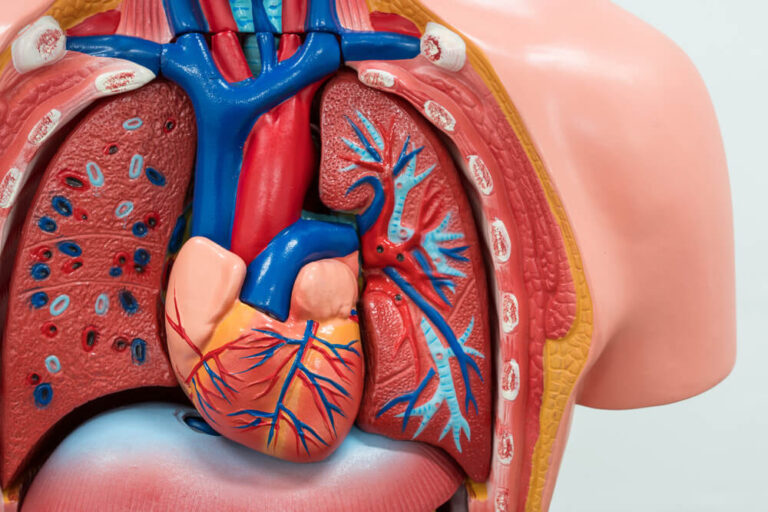

Vascular surgery focuses on diagnosing and treating conditions affecting the body’s blood vessels, excluding those in the heart and brain. Common reasons to consult a vascular surgeon include varicose veins, arterial blockages, and aneurysms. With vascular health so important for overall health, you need to know if you need a referral to see a vascular surgeon.
A vascular surgeon specializes in diagnosing and treating conditions of the vascular system. You need a referral to a vascular surgeon in various situations, depending on the urgency of your condition, but exceptions exist. APEX Vascular in East Tennessee provides state-of-the-art care tailored to your unique needs, ensuring the best outcomes.
What is a Vascular Surgeon?
A vascular surgeon is a highly trained medical specialist who diagnoses and treats diseases affecting the vascular system, which includes arteries, veins, and lymphatic vessels outside the heart and brain. They address conditions like blood clots as well as:
- Carotid artery disease
- Aortic aneurysms
- Varicose veins
- Peripheral artery disease
- Deep vein thrombosis
A vascular surgeon’s expertise spans both surgical and non-surgical treatments, including medication management and lifestyle modifications. They can perform minimally invasive procedures like endovascular stenting as well as complex open surgeries.
Whatever the condition, a vascular surgeon ensures that you receive personalized care tailored to your needs, whether surgical intervention is required or not.
When Do You Need a Referral?

Many vascular conditions require the expertise of a vascular surgeon or interventional specialist. Depending on the severity of your symptoms, a referral may be urgent or non-urgent. Below is a simple guide to help patients and referring providers understand when specialized vascular care is recommended.
Urgent referrals
Urgent referrals are required for life-threatening issues, such as:
- Stroke symptoms caused by carotid artery narrowing
- Ruptured or painful aortic aneurysms
- Diabetic foot infections with gangrene
- Non-healing wounds
- Calf pain and hip pain when walking
Stroke-like symptoms such as sudden weakness, facial drooping, slurred speech, or vision loss may indicate significant narrowing of the carotid arteries. Symptoms of an aortic aneurysm include severe abdominal or back pain, or pain and rapid enlargement in a known aneurysm.
Severe foot or leg problems also require urgent attention. This includes issues such as diabetic foot infections with gangrene, non-healing or worsening wounds, and sudden loss of circulation resulting in a cold or numb limb. The loss of pulses, or sudden leg swelling and pain possibly due to deep vein thrombosis (DVT) are also important signals.
Additionally, vascular trauma presenting as bleeding, an expanding hematoma, or absent pulses after an injury can signal a medical emergency. If any of these symptoms occur, immediate evaluation by a vascular specialist is critical, as prompt care can be limb- or life-saving.
Non-urgent referrals
Some vascular-related conditions are not medical emergencies but still benefit greatly from specialist evaluation and treatment. A non-urgent referral may be appropriate for patients experiencing circulation problems such as leg pain with walking (claudication), chronic swelling or suspected venous insufficiency, or visible varicose or spider veins. Asymptomatic carotid artery narrowing discovered incidentally on imaging also warrants assessment.
Patients with chronic joint pain may benefit from targeted embolization procedures. For instance, geniculate artery embolization (GAE) is a minimally invasive treatment that can relieve chronic knee pain from osteoarthritis, reduce inflammation, and often delay or prevent the need for knee replacement. Similarly, shoulder embolization may help patients with chronic shoulder pain due to rotator cuff tendinopathy by reducing pain and improving mobility without surgery.
While these conditions can be managed electively, early intervention often results in better long-term outcomes.
Conditions That Typically Require Referral
A vascular specialist commonly evaluates and manages:
- Carotid artery disease (stroke prevention)
- Peripheral arterial disease (PAD)
- Aortic aneurysms
- Chronic venous insufficiency and varicose veins
- Non-healing wounds or diabetic foot complications
- Knee and shoulder pain for embolization-based pain reduction procedures
Certain conditions typically require referral to a vascular surgeon for specialized evaluation and treatment. Carotid artery disease is a common reason for referral as well as peripheral arterial disease (PAD), where reduced blood flow to the limbs leads to pain, wounds, or ulcers, also often requires consultation.
Aortic aneurysms (serious bulges in the aorta) demand timely assessment and management due to their potential risk of rupture. Chronic venous insufficiency and varicose veins, which can cause leg swelling, discomfort, or skin changes, likewise benefit from vascular expertise.
Non-healing wounds and diabetic foot complications warrant prompt referral to prevent infection or amputation. Additionally, patients experiencing chronic knee or shoulder pain may be candidates for embolization-based pain reduction procedures, such as geniculate or shoulder artery embolization, which can relieve pain and improve mobility without surgery.
Diagnostic Testing Before Referral
Diagnostic tests are often performed to confirm your condition before you receive a referral for vascular care. Your primary care provider may order tests before sending you to our clinic, including:
- Duplex ultrasound of arteries or veins to evaluate blood flow and vessel structure
- CT angiography (CTA) for detailed vessel imaging to detect blockages or aneurysms
- Ankle-Brachial Index (ABI/TBI) to assess circulation in the legs
- MRI or X-ray for knee or shoulder evaluation prior to embolization
These tests help your primary care physician determine whether specialized vascular treatment is needed.
How to Prepare for Your Appointment
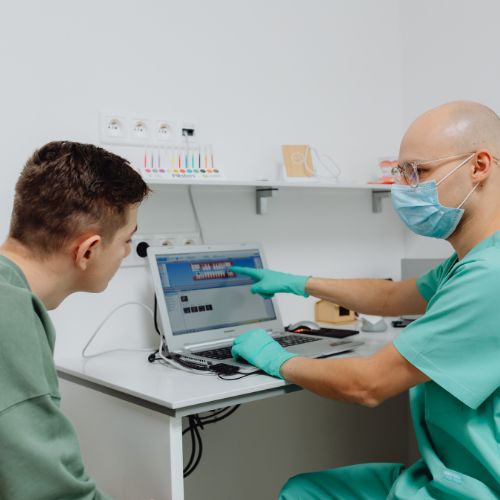
To prepare for an appointment with a vascular surgeon, follow these steps for a productive consultation:
- Gather Medical History and Test Results: Bring a comprehensive record of your medical history, including any past diagnoses, surgeries, and treatments. Include recent test results, such as blood work or imaging studies like ultrasounds, CT scans, or MRIs.
- List Symptoms and Medications: Write down all symptoms you’re experiencing, their duration, and severity. Prepare a list of current medications, including dosages and any supplements.
- Bring Previous Records: If applicable, bring records of prior vascular procedures (e.g., angioplasty or stenting) and imaging films on CDs. These help avoid redundant testing.
- Prepare Questions: Have a list of questions to ask about your condition, treatment options, or recovery expectations.
Being organized ensures your surgeon has all necessary information to provide personalized care and develop an effective treatment plan.
Do You Always Need a Referral?
Exceptions exist for certain situations, so you don’t always need a referral to see a vascular surgeon. For example, free vein screenings allow patients to self-refer and receive evaluations for conditions like varicose veins or chronic venous insufficiency without prior authorization.
Additionally, cosmetic concerns, such as spider veins, often permit direct consultations. This is because spider veins are typically not covered by insurance and don’t require a physician’s referral.
Some vascular clinics also offer direct consultations for specific conditions, especially if they provide self-pay options or promotional services. However, for most medical conditions, insurance policies may still require a referral to ensure coverage.
Insurance and Referral Requirements
For non-emergency visits, some insurance plans may require:
- A referral from your primary care physician (PCP)
- Prior authorization for imaging or procedures
- Verification that the vascular surgeon is in-network
Our office can assist you with each step of this process to help prevent delays in your care.
Choose APEX Vascular for Your Vascular Surgeon in East Tennessee
At APEX Vascular in East Tennessee, we’re just as well-known for our dedication to personalized, high-quality care as we are for our medical treatments. With an exceptional and experienced vascular staff, our team is committed to empowering you and ensuring a meaningful healthcare journey.
Our interdisciplinary team offers a comprehensive skill set, high-quality care, and unparalleled commitment, tailoring individualized treatment plans to help you reach your goals. At APEXVascular, you’ll be greeted with a smile and respect, ensuring that you receive a supportive and effective vascular care experience.

Vascular surgeons diagnose and treat conditions like blood clots, carotid disease, and DVT using surgical and non-surgical methods. At APEX Vascular in East Tennessee, our expert team offers personalized, state-of-the-art care tailored to each patient’s needs, ensuring optimal outcomes with advanced procedures and compassionate support.
APEX Vascular is a vascular surgery and vein center with locations in Knoxville, Lenoir City, Crossville, Decatur, Harrogate, and Sevierville, TN. We are dedicated to delivering personalized, high-quality care that goes beyond medical treatment. Our exceptional vascular staff, boasting extensive experience in vascular surgery, works tirelessly to elevate the standards of patient care and contribute to your overall well-being. Visit us online or call us at 865-562-3232 to request an appointment today!