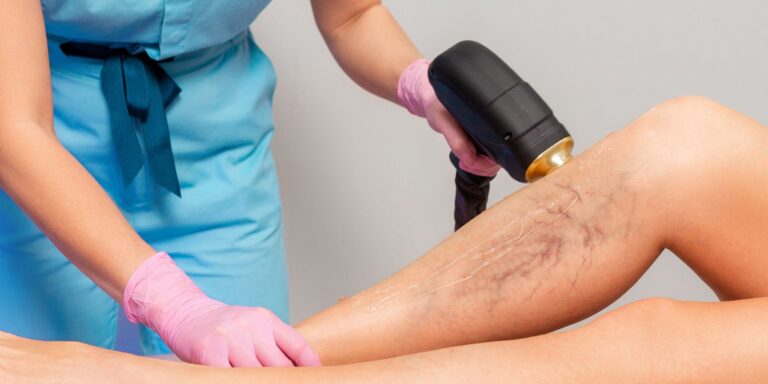
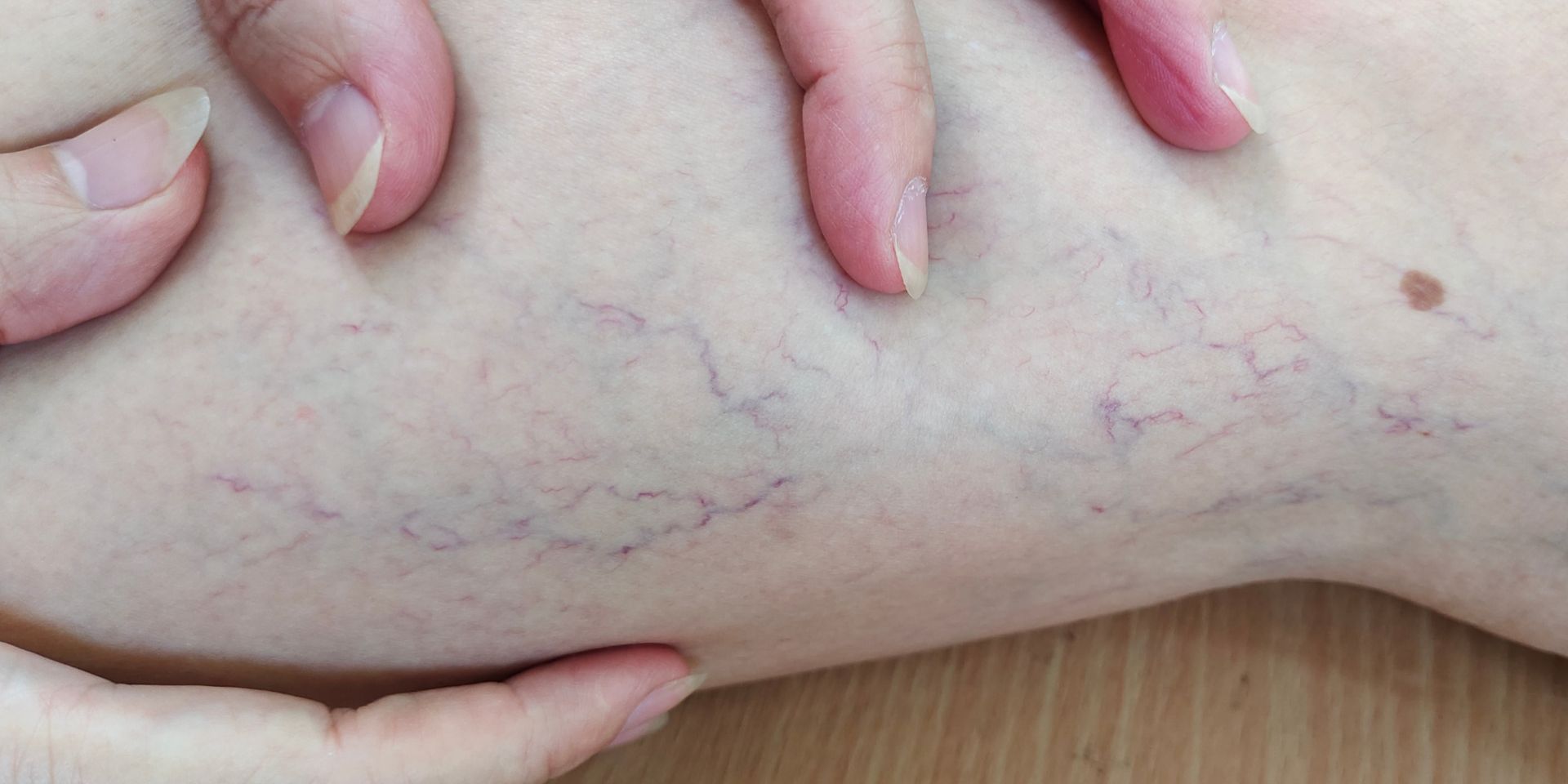
Varicose veins are swollen, twisted veins visible just beneath the skin, most often appearing in the legs. They can cause aching, heaviness, or itching that worsens with prolonged standing. But what causes varicose veins to form, and what can be done to get rid of them?
Varicose veins occur when weakened vein valves cause blood to pool, leading to twisted, bulging veins that may ache or swell. Factors like aging, genetics, pregnancy, or prolonged standing increase risk. Early signs include heaviness, fatigue, or discoloration. APEX Vascular diagnoses and treats vein issues with customized, minimally invasive solutions that restore comfort, circulation, and confidence.
How Healthy Veins Work
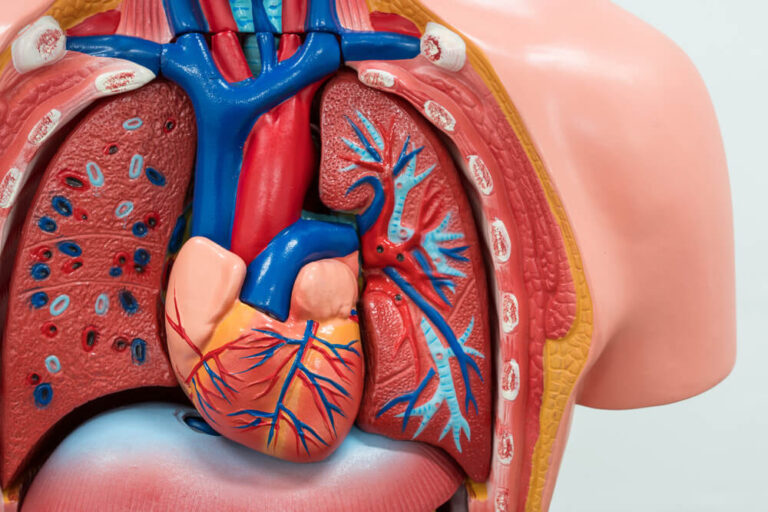
Healthy veins are responsible for returning blood to the heart after it delivers oxygen throughout the body. In the legs, this process works against gravity, which makes the task more challenging.
To keep blood moving upward, leg veins contain one-way valves that open to let blood flow toward the heart and close to stop it from slipping backward. Muscles in the calves act like pumps, squeezing veins during movement to help push the blood along.
Leg veins must constantly resist the pull of gravity, especially when standing or sitting for long periods. The struggle against gravity causes them to experience higher pressure than those in other parts of the body. This constant strain makes them more vulnerable to weakening or valve failure over time.
What Causes Varicose Veins?
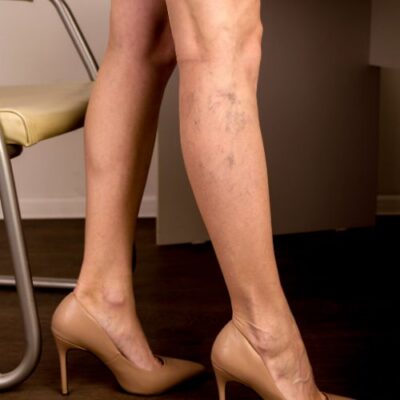
Varicose veins develop when the delicate balance of blood flow in the legs is disrupted. When the tiny one-way valves inside the veins weaken or become damaged, they do not close properly.
This buildup increases internal pressure, stretching the vein walls and causing them to twist or bulge beneath the skin. Over time, the added force of gravity on the legs intensifies this pressure, making it even harder for blood to circulate efficiently. The result is the familiar appearance of enlarged, blue or purple veins that may ache, throb, or feel heavy.
The problem often develops gradually as the valves and vein walls lose their ability to manage the constant upward flow of blood. Like doors that no longer latch, they allow blood to flow backward and collect in the vein. This pooling increases pressure, causing the vein walls to stretch, twist, and create visible and sometimes uncomfortable swelling.
Understanding what causes varicose veins highlights that both internal and external pressures play a role—and that prevention starts with supporting healthy movement and circulation.
Common Risk Factors and Early Warning Signs
Certain groups of people are more prone to developing varicose veins than others. For example, women are at higher risk due to hormonal changes during pregnancy that can weaken vein walls. On the other hand, older adults often experience reduced venous elasticity over time.
A family history of varicose veins also increases risk, as genetics influences valve strength. Additionally, people who spend long hours standing face added leg pressure that can strain circulation. Nurses, teachers, and retail workers fall into this category.
Early signs of varicose veins include:
- Heaviness
- Aching
- Leg fatigue
Other common signs include swelling, mild burning, itching, or skin discoloration near the ankles.
It’s possible that you may only notice small, visible veins that pose little more than a cosmetic concern. However, persistent pain, significant swelling, or skin changes may indicate a more serious venous condition. Paying attention to these symptoms early helps prevent complications such as ulcers, skin breakdown, or blood clots, allowing timely evaluation and treatment.
When To Seek Medical Help
It’s time to seek medical help for varicose veins when symptoms go beyond mild discomfort. Persistent leg pain, swelling, itching, or a feeling of heaviness may signal a deeper circulation issue. Skin changes such as darkening, thickening, or the development of sores around the ankles also indicate more advanced vein disease.
Consulting a vascular specialist ensures proper diagnosis and access to effective, minimally invasive treatments before complications like ulcers or clots develop.
Treatment Options
The best treatment plan depends on vein size, symptom severity, and overall health. That’s why our vein doctors tailor options to your unique needs.
Lifestyle changes are often the first step in treating varicose veins. Other strategies for improving circulation and easing symptoms include:
- Regular exercise
- Leg elevation
- Weight management
- Wearing compression stockings
Minimally invasive procedures are available when veins remain painful or prominent. Laser ablation and sclerotherapy use heat or medication to close off diseased veins, while traditional vein stripping surgically removes them in more severe cases.
Choose APEX Vascular To Restore Comfort and Circulation
Varicose veins are common but very manageable when you have the right team on your side. APEX Vascular offers specialized vein care in East Tennessee by focusing on accurately diagnosing the underlying cause of your symptoms and tailoring treatment to your needs.
By understanding what’s driving your vein problems—whether it’s valve failure, venous reflux, or lifestyle factors—you can take the first step toward real, lasting relief. We combine advanced, minimally invasive techniques with a compassionate, patient-centered approach to help restore comfort and circulation.
If you’re living with aching, swelling, or visible veins, schedule a consultation with a vein specialist at APEX Vascular to explore personalized options and regain confidence in your legs.
Varicose veins develop when weakened valves cause blood to collect, leading to swollen, twisted veins that may ache or feel heavy. Aging, genetics, pregnancy, and long periods of standing increase risk. APEX Vascular offers minimally invasive treatments to improve circulation, relieve discomfort, and restore leg health with personalized care.
APEX Vascular is a vascular surgery and vein center with locations in Knoxville, Oak Ridge, Lenoir City, Sevierville, Crossville, Decatur, and Harrogate, TN. We are dedicated to delivering personalized, high-quality care that goes beyond medical treatment. Our exceptional vascular staff, boasting extensive experience in vascular surgery, works tirelessly to elevate the standards of patient care and contribute to your overall well-being. Visit us online or call us at 865-562-3232 to request an appointment today!