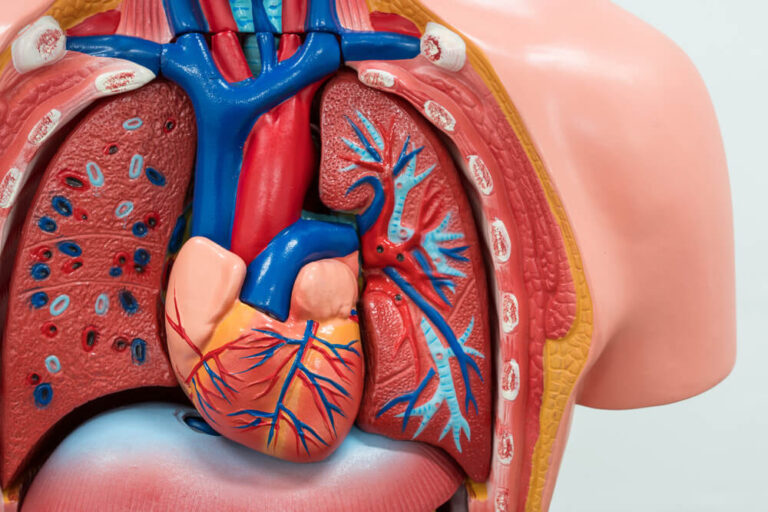

Vascular surgeons prevent and treat blood clots by using medicines that reduce clotting, compression stockings to improve circulation, and procedures that remove or dissolve dangerous clots. They may also place filters in select cases to stop clots from reaching the lungs and causing serious complications.
Blood clots disrupt normal blood flow, sometimes leading to conditions like deep vein thrombosis or pulmonary embolism. They can result from immobility, surgery, or underlying health issues, making early diagnosis and prevention essential. Treatment ranges from medications to advanced procedures. APEX Vascular offers expert diagnosis, prevention, and personalized treatment to help protect your vascular health.
What are Blood Clots?
Blood clots are clumps of blood that form to stop bleeding, but they can become dangerous when they form inside a vessel without being needed or block normal blood flow. They’re especially concerning when they cause deep vein thrombosis (DVT) or travel to the lungs as a pulmonary embolism (PE).
They may develop due to:
- Immobility
- Surgery
- Genetic risk
- Chronic conditions
Early detection matters because clots can quickly become life-threatening, especially if symptoms involve the legs or breathing.
How Vascular Surgeons Diagnose Blood Clots

Vascular surgeons diagnose blood clots with imaging and blood tests, most often starting with duplex ultrasound because it is quick, noninvasive, and the standard test for DVT. Duplex ultrasound is preferred since it’s fast, noninvasive, and the most common test for detecting deep vein thrombosis in the legs.
If the clot may be in the lungs, pelvis, abdomen, or another hard-to-see area, they may use CT or MRI scans to get a clearer view. A D-dimer blood test can also help assess whether a clot is likely, especially when results are negative.
Because clots can worsen quickly or lead to serious complications, prompt and accurate diagnosis is essential.
Prevention Strategies
Vascular surgeons help prevent blood clots by encouraging you to:
- Stay active
- Maintain a healthy weight
- Avoid long periods of immobility that can slow circulation.
If you’re at higher risk, your vascular specialist may prescribe preventive blood thinners to reduce the chance of clot formation.
You’ll still need to follow preventative measures even if you undergo surgery for blood clots. These cases often include early walking, the use of compression socks, and careful follow-ups to catch problems early.
Vein doctors also stress managing conditions that can increase clot risk and make recovery harder, such as:
- Diabetes
- Heart disease
- Poor circulation
Together, these steps lower the chance of dangerous blood clots and support safer healing.
Non-Surgical Treatment Options
To treat blood clots non-surgically, the process usually begins with anticoagulant medications, often called blood thinners. These drugs don’t dissolve an existing clot. Instead, they help keep the blood clot from growing and reduce the risk of new ones forming.
In more serious cases, doctors may use thrombolytic therapy, which is designed to break down or dissolve a clot more quickly. Compression stockings can also be helpful because they improve circulation, reduce swelling, and relieve discomfort in the affected leg.
During recovery from surgery, you’ll be advised to move regularly, avoid long periods of sitting, and stay hydrated. These simple habits support blood flow and can lower the chance of another clot developing, especially during the early healing period after treatment or surgery.
Using Surgery to Treat Blood Clots
Surgery is generally considered when medication or minimally invasive treatment is not enough, or when the clot creates an immediate danger. These procedures are used carefully because they are typically for the most serious situations.
Minimally invasive procedures
Minimally invasive procedures are often used when a blood clot is large, painful, or causing serious disruption to blood flow.

One option is catheter-directed thrombolysis, which delivers clot-dissolving medicine directly to the blockage through a thin tube. Another is mechanical thrombectomy, a procedure that uses a small device to physically remove the clot from the vein or artery.
Compared with open surgery, these treatments may lead to:
- Faster symptom relief
- Less tissue damage
- A shorter recovery time
Doctors may recommend them when medication alone is not enough, when the clot is threatening circulation, or when the risk of complications is especially high.
Open surgery
Surgical treatment is usually reserved for severe blood clot cases, especially when a clot is large, threatens blood flow, or may be life-threatening. One option is open thrombectomy, where your vascular surgeon removes the clot directly from the vessel.
In some cases, a vena cava filter may be placed. This device catches clots before they travel to the lungs and cause a pulmonary embolism.
When to See a Vascular Surgeon
See a vascular surgeon promptly if you have leg:
- Pain
- Swelling
- Warmth
- Redness
Sudden shortness of breath can also signal a blood clot.
Timely evaluation matters because a clot can worsen quickly or move to the lungs, where it becomes much more dangerous. Early care also gives your doctor a better chance to confirm the problem and start treatment before complications develop.
Choose APEX Vascular for Blood Clot Treatment
Blood clots are treatable, and many vascular problems can be prevented or managed with proactive care and screening. If you notice symptoms or have risk factors, consulting a vascular specialist early can help protect your circulation and overall health.
APEX Vascular is your first choice for blood clot treatment in East Tennessee. We offer advanced vascular care close to home, with locations serving Knoxville, Lenoir City, and surrounding communities.
Our team provides personalized evaluation, imaging, and treatment options for venous disease. We emphasize early detection to help prevent serious complications.

Blood clots form inside blood vessels and block normal circulation, sometimes leading to serious conditions like deep vein thrombosis or pulmonary embolism. Early diagnosis and treatment are key. APEX Vascular provides expert care, advanced diagnostics, and personalized treatment to help prevent complications and protect your vascular health.
APEX Vascular is a vascular surgery and vein center with locations in Knoxville, Oak Ridge, Lenoir City, Sevierville, Crossville, Decatur, and Harrogate, TN. We are dedicated to delivering personalized, high-quality care that goes beyond medical treatment. Our exceptional vascular staff, boasting extensive experience in vascular surgery, works tirelessly to elevate the standards of patient care and contribute to your overall well-being. Visit us online or call us at 865-562-3232 to request an appointment today!