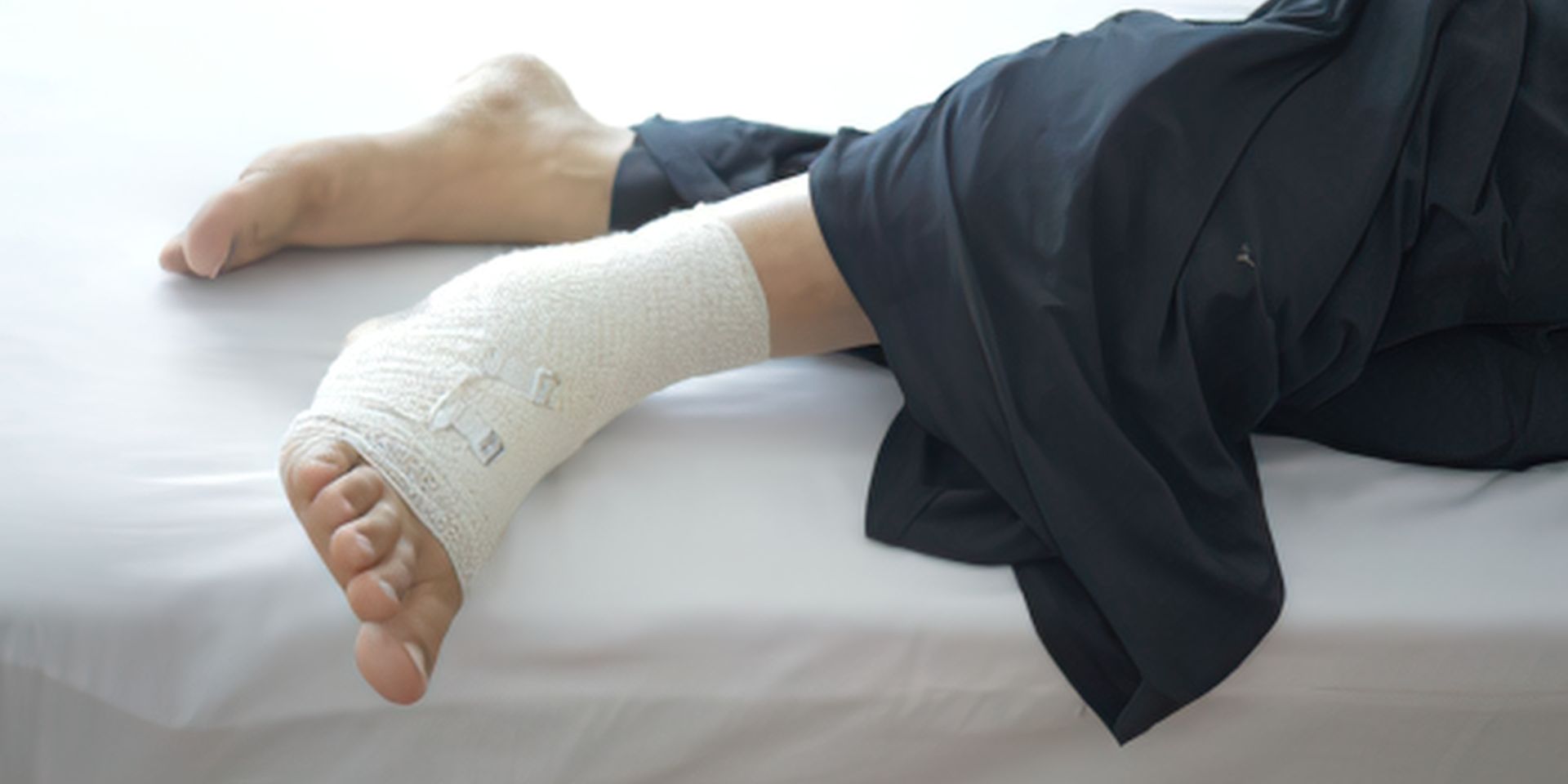
A sore on your lower leg that stays open, drains, or repeatedly returns deserves more than another bandage. Persistent leg ulcers can signal circulation problems that prevent damaged skin from healing. Understanding the cause is the first step toward effective wound care, appropriate vascular treatment, and lasting relief.
Leg ulcers may remain open when poor circulation interferes with healing. A vascular evaluation helps identify vascular problems and guide treatment. Care may include wound dressings, appropriate compression, or procedures to treat damaged veins. Addressing the underlying cause supports healing, not just protection. APEX Vascular can evaluate your symptoms and recommend personalized treatment.
Why Some Wounds Stay Open
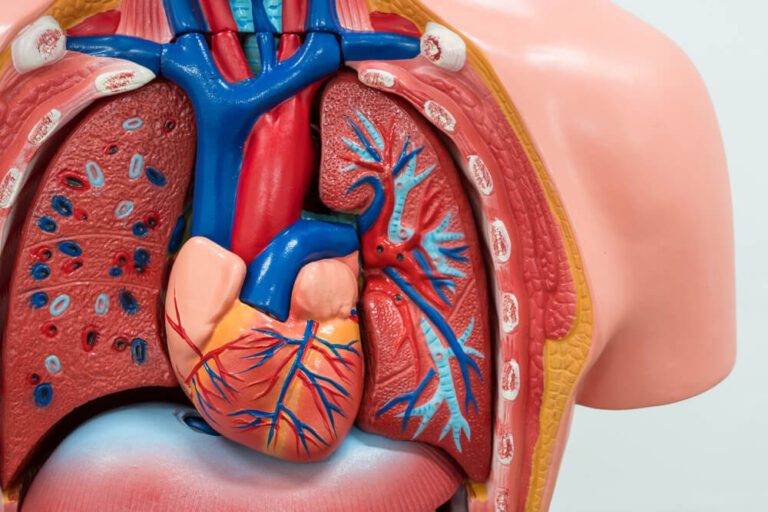
Healing depends on healthy circulation. Arteries deliver blood to the legs, while veins carry it back toward the heart. When either system struggles, a wound may remain open despite regular cleaning and dressing changes. Identifying which system is affected helps determine the appropriate treatment.
With venous insufficiency, valves inside the veins stop working properly. Blood flows backward and pools, raising pressure in the lower leg.
Fluid leaks into surrounding tissue, contributing to:
- Swelling
- Skin discoloration
- Skin breakdown
Varicose veins can be a visible sign of this underlying problem. Arterial disease creates a different obstacle by reducing blood flow to the affected area. Some leg ulcers involve both venous and arterial problems, making careful assessment especially important. Treating the wound without addressing its circulation problem may leave the underlying cause unresolved.
Identifying the Cause of Leg Ulcers
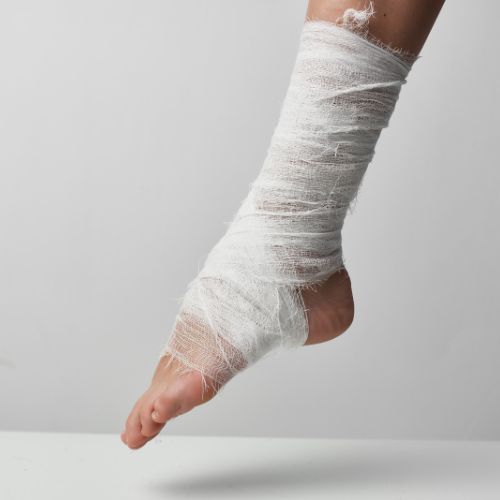
A vascular evaluation looks beyond the wound’s appearance. Instead, your clinician:
- Examines the affected area
- Reviews your symptoms and medical history
- Checks circulation in both legs
Swelling, skin changes, and foot pulses provide clues, but testing helps clarify the diagnosis and guide treatment.
An ankle-brachial pressure assessment compares blood pressure at the ankle with pressure in the arm. This helps identify reduced arterial circulation and determines whether compression can be used safely. Low ankle pressures require particular caution because strong compression may further compromise blood supply.
Ultrasound can reveal:
- Faulty vein valves
- Abnormal blood flow
- Other vein problems
Together, these findings help your provider distinguish venous disease from arterial disease and select treatments that address the cause rather than simply covering the sore.
Advanced Treatments for Underlying Vein Disease
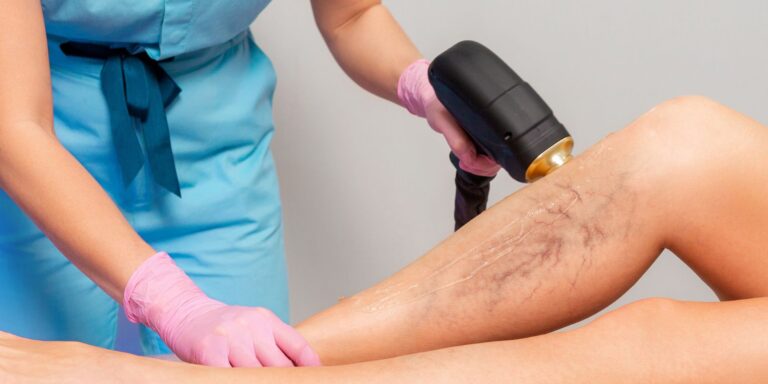
When malfunctioning superficial veins contribute to leg ulcers, endovenous ablation may help address the source of abnormal pressure. The procedure closes a problematic vein rather than treating only the skin wound.
Other forms of varicose vein treatment may be recommended. Treatment selection depends on ultrasound findings and the clinician’s assessment of the venous disease.
Available approaches include:
- Thermal ablation, which uses heat
- Adhesive ablation, which closes the vein with a medical adhesive
- Mechanochemical ablation, which combines mechanical action with medication
- Sclerotherapy uses an injected medication to make a treated vein collapse
- Ambulatory phlebectomy removes selected varicose veins through small incisions
These procedures aren’t interchangeable, and not every patient needs the same approach. Importantly, advanced intervention complements wound care rather than replacing it. One review found that endovenous ablation combined with compression improves healing time compared with compression alone or compression with deferred intervention.
Conservative Treatments That Support Healing
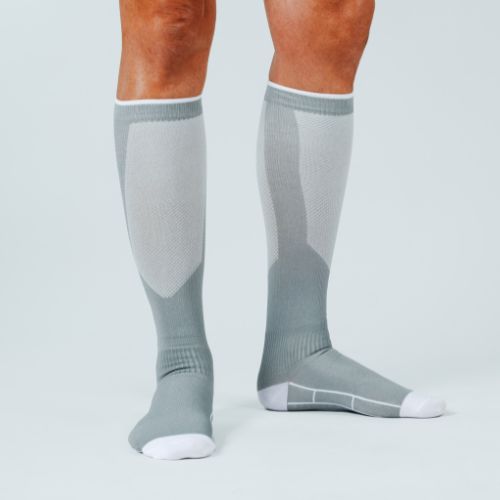
For venous leg ulcers, compression is a central treatment when arterial circulation is adequate. Professionally applied bandages or prescribed stockings help improve venous circulation and control swelling. The appropriate pressure depends on your assessment, with stronger compression not automatically being better or safer.
Conservative care may include:
- Wound cleaning and appropriate dressings to protect the affected area
- Removal of debris or dead tissue when clinically appropriate
- Compression therapy selected and monitored by a trained healthcare professional
These measures work together. Dressings care for the wound itself while compression addresses the pressure and swelling that interfere with healing. Regular appointments allow your care team to assess progress and adjust treatment as needed.
However, compression shouldn’t begin without checking arterial circulation. People with inadequate blood supply may need a different approach or specialist evaluation. Conservative treatment also doesn’t eliminate every underlying vein problem. This means that an open wound may require a procedure alongside ongoing care.
Choose Apex Vascular for Vascular Treatment in East Tennessee
Persistent leg ulcers deserve an evaluation that considers the circulation problems behind them. At Apex Vascular, our vascular surgeons evaluate and treat varicose veins and related venous disease in:
- Lenoir City
- Knoxville
- Crossville
Ultrasound imaging helps identify dysfunctional valves, abnormal blood flow, and other vein problems. Depending on your symptoms and findings, treatment may include compression stockings, sclerotherapy, endovenous thermal ablation, adhesive ablation, mechanochemical ablation, or ambulatory phlebectomy. These options address affected veins and the underlying venous pressure that can damage skin.
Call Apex Vascular or book an appointment online to discuss your symptoms and available vascular treatment options.

Poor circulation can keep leg ulcers from healing. A vascular evaluation identifies underlying vein or artery problems and helps guide care, which may include dressings, compression, or vein procedures. Treating the cause supports healing beyond basic wound care. APEX Vascular can assess your symptoms and recommend treatment tailored to your needs.
APEX Vascular is a vascular surgery and vein center with locations in Knoxville, Oak Ridge, Lenoir City, Sevierville, Crossville, Decatur, and Harrogate, TN. We are dedicated to delivering personalized, high-quality care that goes beyond medical treatment. Our exceptional vascular staff, boasting extensive experience in vascular surgery, works tirelessly to elevate the standards of patient care and contribute to your overall well-being. Visit us online or call us at 865-562-3232 to request an appointment today!