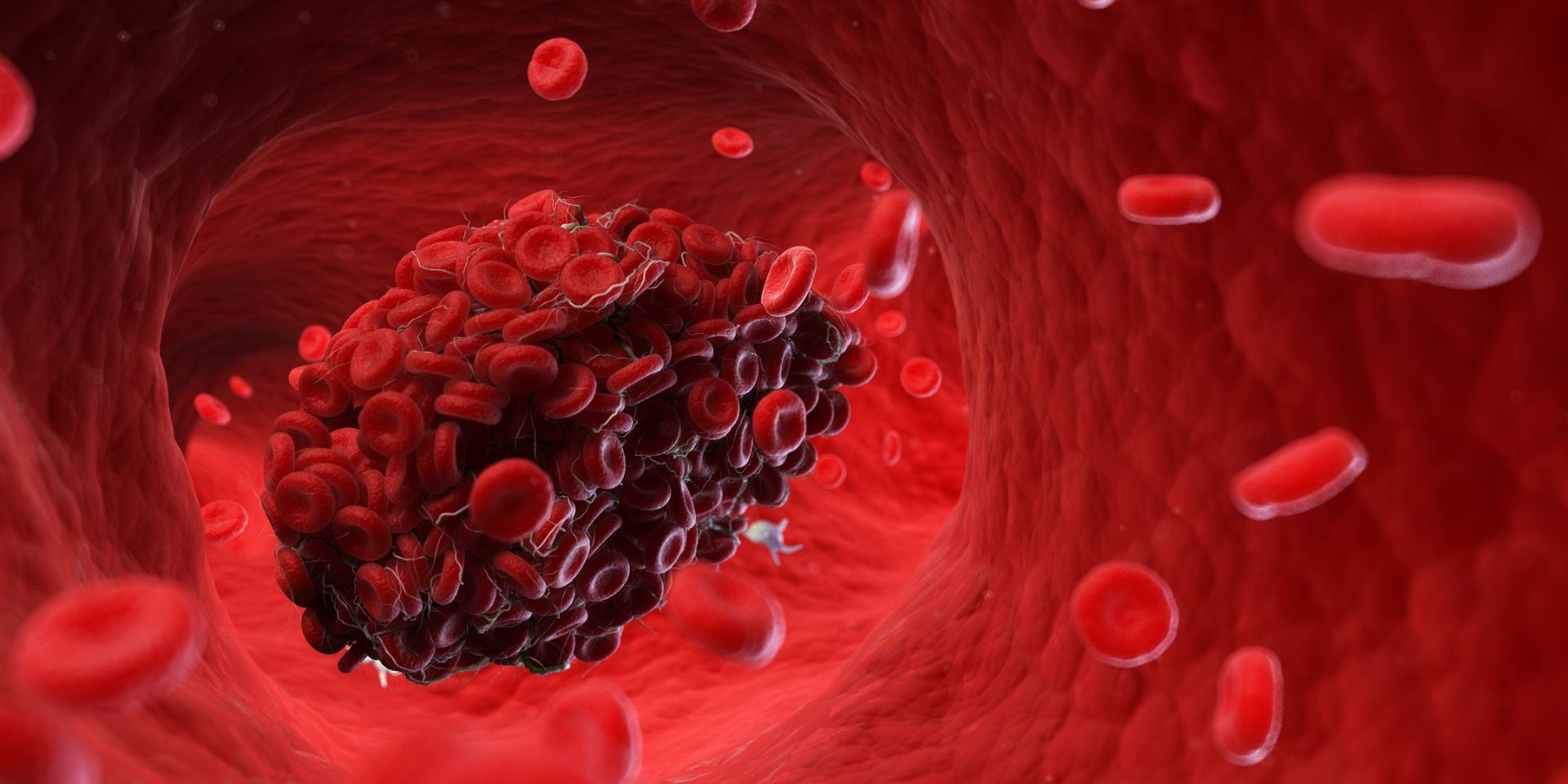
Varicose veins can be more than a cosmetic concern, especially when they become painful, swollen, or tender. With all their symptoms, it’s natural to wonder, “Can varicose veins cause blood clots?” These enlarged veins can increase your risk of multiple issues. Understanding the connection helps you recognize warning signs and know when to seek care.
No, but varicose veins can develop blood clots in veins near the skin’s surface. DVT affects deeper veins. New leg pain, swelling, warmth, or skin discoloration warrants prompt medical evaluation. Sudden shortness of breath or chest pain requires emergency care. APEX Vascular identifies clots and provides individualized treatment.
The Connection Between Varicose Veins and Blood Clots
Varicose veins affect veins near the skin’s surface, while deep veins lie farther inside the body. This distinction matters because a clot’s location influences its risks and treatment. A clot in a surface vein is different from one that develops in a deep vein, although both deserve medical attention.
When a surface vein becomes inflamed because of a blood clot, the condition is called superficial thrombophlebitis, or superficial venous thrombosis. It can cause a painful, hard lump beneath the skin, often with redness over the affected area. Varicose veins are a recognized risk factor for this condition.
Can Varicose Veins Cause Blood Clots?

They’re connected, but can varicose veins cause blood clots? It would be more accurate to say that blood clots can develop in varicose veins rather than actually cause them.
Having varicose veins doesn’t mean you already have a clot or will inevitably develop one. However, new symptoms shouldn’t be dismissed as ordinary vein discomfort.
Varicose veins are also listed among risk factors for deep vein thrombosis, or DVT for short. That connection doesn’t mean every superficial clot becomes a deep clot. Instead, it highlights why a medical evaluation is important when unexpected changes occur, such as:
- Pain
- Swelling
- Warmth
- Skin discoloration
There’s a small chance that a superficial clot can extend into a deeper vein. This becomes more concerning when the clot approaches places where superficial and deep veins meet, including the upper thigh, groin, or behind the knee.
How Superficial Clots Differ From DVT
Superficial thrombophlebitis often causes localized discomfort along an affected vein. The vein may feel firm, tender, or knobbly, with redness and swelling nearby. Although it’s generally less serious than DVT, an examination can help determine whether deeper veins are involved.
DVT involves a clot in a deep vein, commonly in the leg. Symptoms may include calf or thigh pain, swelling in one leg, and red, blue, or darkened skin. Unlike a localized surface lump, DVT may produce more widespread swelling or discomfort. Symptoms alone cannot reliably establish which condition you have.
The most dangerous complication is pulmonary embolism. This happens when a clot breaks loose and travels to the lungs. It requires emergency treatment rather than a routine appointment or home management.
Warning Signs That Need Medical Attention
Seek urgent medical evaluation for new or worsening symptoms such as:
- Swelling in one leg, particularly when it appears suddenly
- Throbbing or cramping pain in the calf or thigh
- Warmth, redness, or darkened skin around a painful area
- A swollen vein that feels hard or sore
- Pain or inflammation spreading toward the groin or behind the knee
Don’t assume these changes are simply part of having varicose veins. Superficial inflammation and DVT can have overlapping symptoms, making professional assessment important.
Call 911 immediately if you develop shortness of breath, sudden chest pain, or a cough that produces blood. These can be signs of pulmonary embolism. Don’t wait for a scheduled vascular appointment.
How Blood Clots Are Diagnosed and Treated
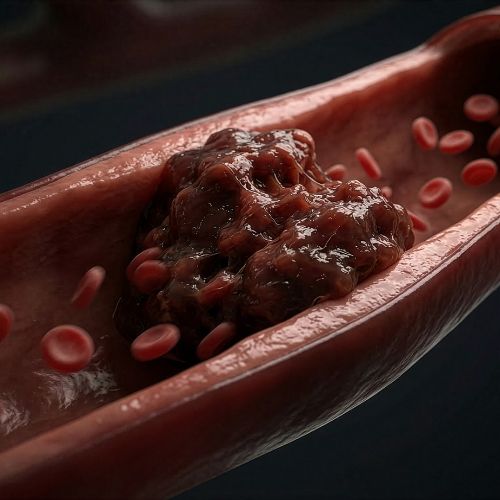
Ultrasound imaging can help identify a clot and determine which veins are affected. Treatment depends on the clot’s location and your individual risks.
Some superficial clots are managed with:
- Symptom relief
- Elevation
- Compression stockings
Others require anticoagulants to prevent clot growth or reduce the risk of DVT. Avoid starting medications or compression therapy without appropriate guidance. For DVT, blood thinners help prevent existing clots from enlarging and new clots from forming. Depending on the situation, treatment may also involve clot-dissolving medications or an inferior vena cava filter.
Not every patient needs these additional procedures.
Choose APEX Vascular for Blood Clot Treatment
APEX Vascular provides evaluation and treatment for deep vein thrombosis in Lenoir City, Knoxville, and Crossville, Tennessee. We use ultrasound imaging to identify blood clots and guide our treatment recommendations.
Depending on your needs, options may include blood thinners, clot-dissolving medications, or an inferior vena cava filter. The latter helps prevent clot fragments from reaching the lungs.
Prompt evaluation can help address symptoms and reduce the risk of serious complications. Call APEX Vascular or request an appointment online if you have leg pain, swelling, or other possible signs of DVT.
For chest pain or sudden breathing difficulty, call 911 immediately instead.

Blood clots can form in varicose veins near the skin’s surface, while DVT involves deeper veins. Seek prompt evaluation for new leg pain, swelling, warmth, or discoloration, and emergency care for sudden breathing difficulty or chest pain. APEX Vascular uses ultrasound to identify clots and recommend appropriate treatment.
APEX Vascular is a vascular surgery and vein center with locations in Knoxville, Oak Ridge, Lenoir City, Sevierville, Crossville, Decatur, and Harrogate, TN. We are dedicated to delivering personalized, high-quality care that goes beyond medical treatment. Our exceptional vascular staff, boasting extensive experience in vascular surgery, works tirelessly to elevate the standards of patient care and contribute to your overall well-being. Visit us online or call us at 865-562-3232 to request an appointment today!