Your circulatory system relies on healthy arteries and veins to deliver oxygen-rich blood and return blood to the heart. Over time, those vessels narrow, weaken, or develop faulty valves or clots. These vascular problems can affect mobility, comfort, and long-term health. Recognizing warning signs early can help patients seek appropriate care.
Vascular issues can lead to reduced blood flow, leg discomfort, swelling, varicose veins, blood clots, stroke risk, or aneurysms. Early symptoms may be subtle, so individuals with risk factors such as smoking, diabetes, high blood pressure, or family history should pay attention to circulation changes. APEX Vascular provides individualized evaluation and treatment for arterial and venous conditions throughout East Tennessee.
Understanding Vascular Problems
Vascular conditions involve the blood vessels outside of the heart, including arteries that carry blood away from the heart and veins that return it. Some develop gradually because of plaque buildup or weakened vein valves. Others, such as blood clots, may require prompt medical attention.
Common vascular problems don’t always cause noticeable symptoms in their earliest stages. That’s why knowing your personal risk factors, including tobacco use, diabetes, high blood pressure, elevated cholesterol, obesity, and family history, can be an important part of protecting your circulation.
Arterial Conditions That Limit Blood Flow
Arteries can become narrowed or blocked by atherosclerosis, a buildup of fatty deposits known as plaque. As blood flow declines, the body’s tissue may not receive enough oxygen. Two of the most significant arterial vascular problems are peripheral artery disease and carotid artery disease.
Peripheral artery disease, or PAD, usually affects the legs. A common symptom is cramping, aching, or fatigue in the calf, thigh, or buttock while walking that improves with rest. Other signs can include a cool foot, slow-healing sores, shiny skin, reduced hair growth, or a change in skin color.
Carotid artery disease affects the arteries in the neck that supply blood to the brain. It may not produce symptoms until a transient ischemic attack or stroke occurs. Sudden facial drooping, weakness or numbness on one side of the body, trouble speaking, vision changes, dizziness, or loss of balance require emergency evaluation.
Venous Insufficiency and Varicose Veins
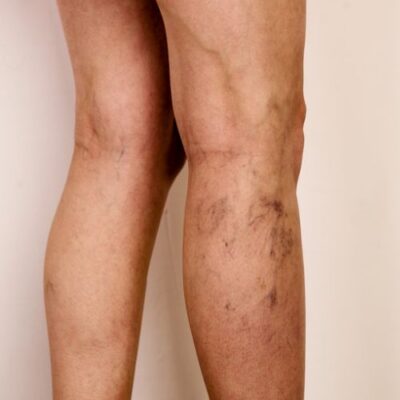
Veins in the legs contain one-way valves that help blood travel back toward the heart. When these valves weaken, blood can pool in the lower legs, creating venous insufficiency. Enlarged, twisted veins that may be blue or purple, known as varicose veins, are a common visible sign.
These vascular problems can cause:
- Heaviness
- Aching
- Swelling
- Itching
- Burning
- Nighttime cramps
- Restless legs
Symptoms may worsen after prolonged standing or sitting. In more advanced cases, venous disease may lead to skin discoloration, inflammation, thickened skin, or slow-healing leg ulcers.
Risk factors include family history, pregnancy, older age, excess weight, and work or lifestyle routines that involve long periods on your feet or seated. While some people are primarily concerned about appearance, persistent leg symptoms deserve evaluation because they may reflect an underlying circulation issue.
Deep Vein Thrombosis: A Clotting Concern
Deep vein thrombosis, or DVT, occurs when a blood clot develops in a deep vein, most often in the leg. Unlike surface-level vein changes, DVT can become dangerous if a clot breaks loose and moves to the lungs, causing a pulmonary embolism.
Potential symptoms of these vascular problems include:
- Swelling in one leg
- Pain or tenderness
- Warmth
- Redness
- A feeling of tightness
However, some people have few or no obvious symptoms. Sudden shortness of breath, chest pain that worsens with breathing, rapid heartbeat, fainting, or coughing up blood may signal a pulmonary embolism and should be treated as an emergency.
Several factors can raise your risk of DVT. Along with a personal history of blood clots, these risk factors include:
- Long travel
- Surgery
- Hospitalization
- Limited movement
- Injury
- Pregnancy
- Hormone medications
- Cancer
- Smoking
Prompt medical assessment is essential, so don’t try to diagnose a blood clot based on symptoms alone.
Aortic Aneurysms and Vessel Weakness
An aneurysm develops when a weakened area of an artery wall enlarges or balloons outward. The aorta, the body’s largest artery, can develop an aneurysm in the chest or abdomen. Many aortic aneurysms cause no symptoms and are found during imaging performed for another reason.
When symptoms occur, they may include persistent pain in the:
- Chest
- Back
- Abdominal
- Side
This could be in the form of a pulsing sensation or unexplained discomfort. A ruptured aneurysm is life-threatening and may cause sudden severe pain, fainting, sweating, low blood pressure, or rapid heartbeat.
Among the vascular problems linked to aneurysms, risk rises with smoking history, high blood pressure, atherosclerosis, certain inherited conditions, increasing age, and family history. Monitoring and treatment decisions depend on the aneurysm’s location, size, growth rate, and the individual patient’s health.
When to Seek Medical Care
Schedule a vascular evaluation for recurring:
- Leg pain with activity
- Leg swelling
- Non-healing wounds
- Visible vein changes accompanied by discomfort
- Persistent circulation concerns
A vascular expert can determine whether symptoms are related to arteries, veins, nerves, joints, or another health issue.
Seek emergency help for possible stroke symptoms, sudden chest pain or shortness of breath, signs of a pulmonary embolism, or sudden severe abdominal or back pain. Timely care matters because certain vascular problems can worsen without treatment, even when the earliest symptoms seem minor.
Lifestyle changes may help lower your risk. Avoid tobacco, stay active as your healthcare provider recommends, and manage diabetes and high blood pressure. Keeping your cholesterol and weight in a healthy range can also support better vascular health. Still, lifestyle changes do not replace evaluation when warning signs are present.
Choose APEX Vascular for the Treatment of Your Vascular Problem
APEX Vascular provides personalized, high-quality care for common vascular problems throughout East Tennessee. Our experienced, board-certified interdisciplinary team offers comprehensive evaluation and explains both endovascular and surgical options. They help create an individualized plan built around your health goals.
Whether you’re managing painful varicose veins, PAD symptoms, carotid disease, or other vascular problems, APEX emphasizes clear patient education, dignity, and respectful support. With services including vascular surgery, vein treatment, and second-opinion consultations, you’ll receive informed treatment in a compassionate setting.

Vascular conditions can contribute to symptoms such as leg pain, swelling, varicose veins, blood clots, stroke risk, or aneurysms. Early warning signs may be mild, but those with risks like smoking, diabetes, high blood pressure, or family history should seek attention for circulation concerns. APEX Vascular offers personalized arterial and venous care across East Tennessee.
APEX Vascular is a vascular surgery and vein center with locations in Knoxville, Oak Ridge, Lenoir City, Sevierville, Crossville, Decatur, and Harrogate, TN. We are dedicated to delivering personalized, high-quality care that goes beyond medical treatment. Our exceptional vascular staff, boasting extensive experience in vascular surgery, works tirelessly to elevate the standards of patient care and contribute to your overall well-being. Visit us online or call us at 865-562-3232 to request an appointment today!