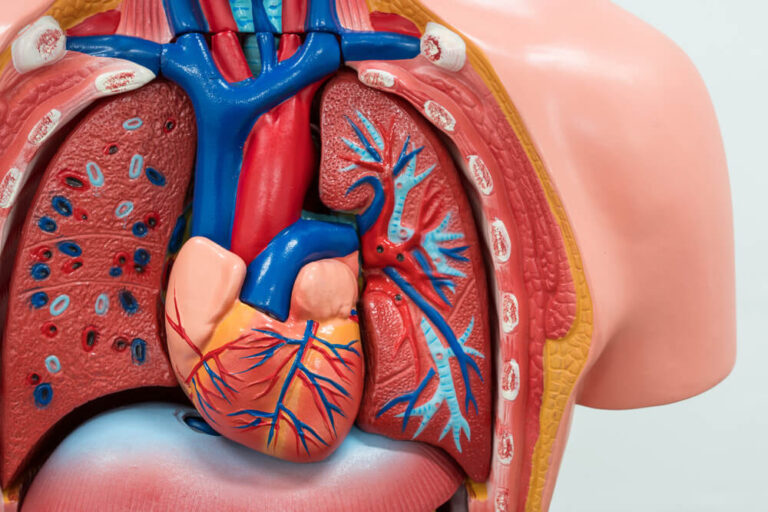

An aortic aneurysm is a dangerous bulge in the wall of the aorta, the body’s main artery. Because it often develops silently, knowing the risk factors is crucial. Understanding these risks allows for early detection through screening and preventive care, helping reduce the chance of life-threatening complications.
An aortic aneurysm is caused by a weakened vessel wall. It may occur in the abdomen or chest and can often go unnoticed until life-threatening complications arise. Risk factors include age, smoking, high blood pressure, and family history. APEX Vascular offers expert screening, monitoring, and advanced treatments to protect your vascular health.
What Is an Aortic Aneurysm?
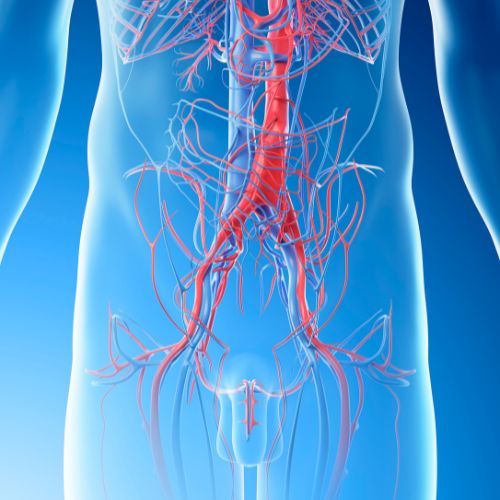
An aortic aneurysm is a bulge or ballooning in the wall of the aorta, the largest artery that carries oxygen-rich blood from your heart to the rest of your body. When a section of the aortic wall becomes weak, the pressure of the blood flow causes the artery to deform and enlarge abnormally.
The two most common types of aortic aneurysms are:
- Abdominal aortic aneurysm
- Thoracic aortic aneurysm
An abdominal aortic aneurysm, or AAA for short, affects the part of the aorta in the abdomen. A thoracic aortic aneurysm (TAA) occurs in the chest region. Often, aneurysms go unnoticed until serious complications like rupture or dissection arise, which can be life-threatening.
What Puts You at Risk of an Aortic Aneurysm
Several factors put someone at risk of an aortic aneurysm, with risk profiles varying slightly between abdominal aortic aneurysms (AAA) and thoracic aortic aneurysms (TAA). Age is a major risk factor, especially for AAA, which most commonly affects people over 65 years old. The risk increases as people get older due to the gradual weakening of the aortic wall.
Biological sex also plays a significant role. Males are more commonly affected by AAA than females, though females may have a higher risk of aneurysm rupture despite lower prevalence. TAAs have a somewhat different gender distribution but are also more common in men.
Smoking and tobacco use are strong risk factors for aortic aneurysms. Smoking damages and weakens blood vessel walls and substantially increases both the prevalence and risk of aneurysm growth and rupture. The risk corresponds with the duration and intensity of smoking and decreases after quitting, with a heavy smoker having a higher risk of AAA.
High blood pressure (hypertension) is another major contributor. It causes chronic stress and damage to the aortic wall, weakening it over time, facilitating aneurysm formation. Family history is important as genetic predisposition increases risk. A family history of aortic aneurysms, especially in first-degree relatives, significantly raises the likelihood of developing AAA. Genetic syndromes that affect connective tissue are also strongly associated with them.
Other associated medical conditions include:
- Coronary artery disease
- Hardening of arteries
- Inflammation of the vessel wall
All of these may contribute to the development of aortic aneurysms.
Additional factors that influence risk are race, with higher risk seen in white individuals compared to Black or Asian populations for AAA. Obesity and lifestyle factors such as diet and physical activity can also be important factors.
Risk factors differ somewhat between AAA and TAA. AAA is more strongly linked to smoking, male gender, and the hardening of arteries. On the other hand, TAA has a higher genetic component involving connective tissue disorders and congenital heart abnormalities.
Signs and Symptoms To Watch For
Most aortic aneurysms are asymptomatic and often go unnoticed until they become large or rupture. When symptoms do occur, they may include:
- Chest or abdominal pain
- Back pain
- Pulsating sensation near the belly button
Other symptoms can include difficulty breathing, hoarseness, or trouble swallowing if the aneurysm presses on nearby structures.
It’s important to recognize sudden, severe pain in the chest, abdomen, or back as an emergency, as this can indicate a rupture, which requires immediate medical attention. Monitoring early signs could save lives by enabling timely diagnosis and treatment.
When To See a Doctor
Early consultation helps with:
- Diagnosis
- Monitoring
- Timely treatment
Together, these can help prevent life-threatening complications.
You should see a doctor regularly if you have any risk factors for an aortic aneurysm, especially a family history of aneurysms. This is also the case if you experience any symptoms such as persistent chest, back, or abdominal pain.
Immediate medical attention is crucial if you have sudden, severe chest or abdominal pain. This may indicate an aneurysm rupture, which is a medical emergency requiring urgent care.
Screening and Diagnosis
Screening for aortic aneurysm primarily targets men aged 65 to 75 who have a history of smoking. This usually includes a one-time abdominal ultrasound as the standard screening method. Screening can also be considered selectively for men in this age group who have never smoked and for individuals with a family history of the condition.
Early detection through screening helps identify aneurysms before they rupture, significantly reducing the risk of life-threatening complications. Regular medical check-ups that monitor blood pressure and cholesterol levels are also vital since controlling these factors can prevent or slow aneurysm progression.
For those with detected aneurysms, ongoing surveillance intervals depend on aneurysm size and risk assessment. This approach improves outcomes by enabling timely intervention and management.
APEX Vascular Supports Every Aspect of Your Vascular Health
APEX Vascular supports every aspect of your vascular health by providing personalized, evidence-based care with the latest surgical technology. For aortic aneurysms, we offer risk assessment, noninvasive ultrasound screening, and expert monitoring to detect aneurysms early.
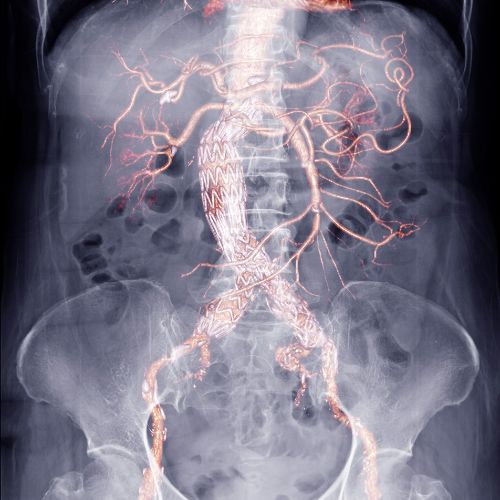
When treatment is needed, our surgeons can Mr perform minimally invasive endovascular repair, inserting a stent graft through a small incision guided by real-time X-ray imaging. This procedure strengthens the weakened aorta wall and prevents rupture, reducing risks and improving outcomes.
APEX Vascular’s comprehensive approach helps prevent emergencies and manage vascular conditions effectively.

An aortic aneurysm is a dangerous swelling of the aorta, the body’s main artery, caused by a weakened wall. It may develop in the abdomen (AAA) or chest (TAA) and often goes undetected until severe complications occur. APEX Vascular provides expert screening, monitoring, and treatment to safeguard your vascular health.
APEX Vascular is a vascular surgery and vein center with locations in Knoxville, Lenoir City, Crossville, Oak Ridge, Decatur, and Harrogate, TN. We are dedicated to delivering personalized, high-quality care that goes beyond medical treatment. Our exceptional vascular staff, boasting extensive experience in vascular surgery, works tirelessly to elevate the standards of patient care and contribute to your overall well-being. Visit us online or call us at 865-562-3232 to request an appointment today!