
Chronic venous insufficiency (CVI) occurs when leg veins cannot efficiently return blood to the heart, leading to swelling, discomfort, and fatigue that interfere with walking, standing, and overall daily activities. While it primarily affects the legs, CVI can also impact the arms in rare cases. Here’s what you should know about CVI.
CVI can progress from swelling and skin changes to painful ulcers if untreated. Aging, pregnancy, smoking, obesity, and inactivity all raise risk by weakening veins and valves. Diagnosis often relies on a duplex ultrasound, and treatment ranges from compression therapy to minimally invasive procedures. APEX Vascular offers expert diagnosis and advanced treatment options across East Tennessee to restore circulation and comfort.
What You Should Know About Chronic Venous Insufficiency
1. Untreated CVI can become serious

One of the most important things to know about chronic venous insufficiency is that, without treatment, it can progress from mild discomfort to serious, long-term complications. Ongoing venous pressure leads to chronic swelling and fluid buildup, often causing stasis dermatitis, a painful and inflamed skin condition. The weakened skin barrier also increases vulnerability to recurrent infections.
In advanced cases, venous ulcers may develop. These ulcers are open wounds that are painful, slow to heal, and can severely affect mobility and daily activities. They carry a high risk of recurrence and can drastically reduce a patient’s quality of life. Timely intervention with lifestyle changes or medical treatments is crucial to prevent these progressive, debilitating outcomes.
2. Many risk factors contribute
Many risk factors contribute to the condition, such as being:
- Over the age of 50
- A smoker
- Female
- Obese
A family history of CVI, pregnancy, living a sedentary lifestyle, having family history of CVI, pregnancy, and jobs requiring prolonged standing or sitting also increase your risk.
Aging weakens vein walls and valves, reducing their ability to pump blood upward. Smoking damages vein walls and impairs circulation. Women are more prone due to hormonal changes affecting vein elasticity, especially during pregnancy. Excess weight and inactivity increase pressure on leg veins, straining valves and causing blood to pool.
Together, these factors raise venous pressure and valve damage risk, promoting CVI development and progression.
3. Diagnosis relies on exams and imaging
Accurate diagnosis guides appropriate treatment and prevents complications. Diagnosis of chronic venous insufficiency begins with clinical evaluation and detailed history-taking to assess symptoms like swelling, swollen veins, and skin changes.
The gold-standard diagnostic tool is a duplex ultrasound, which uses sound waves to:
- Visualize blood flow
- Identify valve incompetency
- Map vein function in real-time
This noninvasive exam helps confirm CVI by detecting venous reflux and structural problems in superficial and deep veins. Additionally, duplex ultrasound is crucial for ruling out deep vein thrombosis (DVT), which can mimic or worsen CVI.
4. Conservative care is first-line

Conservative care is the first line of treatment for CVI because it directly addresses symptoms and improves circulation without invasive procedures. Simple strategies like leg elevation reduce pooling and swelling, while compression therapy supports vein function and decreases discomfort.
Weight control and smoking cessation help lower pressure on the veins and improve overall vascular health. Regular physical activity, especially walking, strengthens the calf muscle pump that aids blood return to the heart.
These lifestyle modifications form the cornerstone of symptom relief, slowing disease progression and often preventing the need for more advanced interventions.
5. Advanced treatments are available
Advanced treatments for CVI are recommended when conservative therapy—such as compression stockings, elevation, and lifestyle changes—don’t provide enough relief. These minimally invasive procedures directly target the faulty or compressed veins that cause swelling, pain, heaviness, and skin changes.
Minimally invasive vein closure treatments
Several effective, office-based treatments can close or remove diseased veins:
- Sclerotherapy: Injection of a medication that closes smaller abnormal veins.
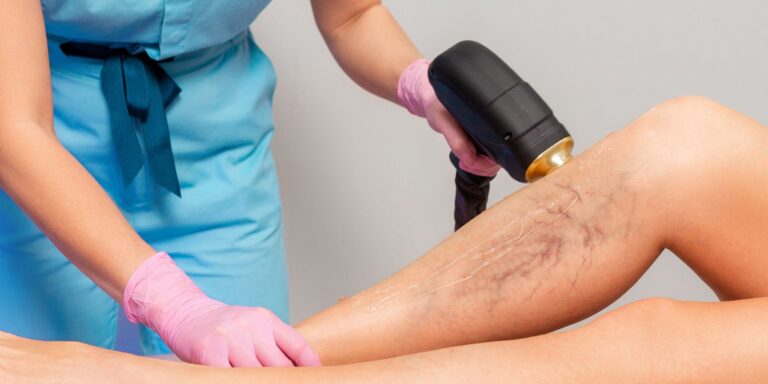
- Endovenous thermal ablation (laser or radiofrequency): Uses heat to seal larger refluxing veins with excellent long-term success.
- VenaSeal (medical adhesive ablation): Utilizes a medical-grade glue to close the vein without heat or tumescent anesthesia, offering very fast recovery.
- Mechanochemical ablation (MOCA): A rotating catheter combined with a sclerosant medication to close veins without heat.
- Ambulatory phlebectomy: Removes bulging surface veins through tiny skin incisions for immediate cosmetic improvement.
These treatments offer high success rates, minimal discomfort, and quick return to normal activities.
Evaluation and treatment of venous compression syndromes
In some patients, symptoms of CVI may be worsened by venous compression, such as May–Thurner syndrome, where the left iliac vein is compressed by the right iliac artery.
To diagnose and treat these deeper venous problems, vascular specialists may perform:
- Lower extremity or pelvic venograms: A contrast X-ray study that visualizes blood flow and detects blockages or compression.
- Intravascular ultrasound (IVUS): A tiny ultrasound catheter inside the vein provides detailed, 360-degree images to confirm narrowing or scarring.
- Venous angioplasty and stenting: Minimally invasive treatments that open the compressed or narrowed vein, restore normal flow, and relieve symptoms such as swelling, heaviness, pelvic congestion, or recurrent varicose veins.
These procedures are highly effective for patients whose venous insufficiency stems from deeper structural issues, offering long-term symptom improvement.
Choose APEX Vascular for CVI Treatment in East Tennessee
APEX Vascular in East Tennessee is a trusted choice for CVI treatment from experts in vascular care. We use advanced ultrasound imaging to accurately diagnose vein valve dysfunction and assess blood flow, ensuring precise treatment planning.
At APEX, we offer a comprehensive range of effective, minimally invasive treatments, including sclerotherapy, endovenous thermal and adhesive ablation, mechanochemical ablation, and ambulatory phlebectomy. These treatments restore circulation and reduce venous pressure, improving both symptoms and appearance with minimal downtime.
Conveniently located in Lenoir City, Knoxville, and Crossville, APEX combines expert care with personalized treatment for optimal results.
Chronic venous insufficiency may cause swelling, skin changes, and ulcers if untreated. Risk factors include aging, obesity, smoking, and inactivity. Diagnosis often uses duplex ultrasound, with treatments ranging from lifestyle changes to minimally invasive procedures. APEX Vascular provides expert diagnosis and care across East Tennessee to improve circulation and comfort.
APEX Vascular is a vascular surgery and vein center with locations in Knoxville, Oak Ridge, Lenoir City, Sevierville, Crossville, Decatur, and Harrogate, TN. We are dedicated to delivering personalized, high-quality care that goes beyond medical treatment. Our exceptional vascular staff, boasting extensive experience in vascular surgery, works tirelessly to elevate the standards of patient care and contribute to your overall well-being. Visit us online or call us at 865-562-3232 to request an appointment today!