
Vascular surgeon options in East Tennessee span hospital systems, private practices, and research centers, giving patients several paths for care. They diagnose and treat diseases of the arteries and veins, often using medical, minimally invasive, or surgical approaches. A specialist’s experience, technology, and care style can affect outcomes and long-term results.
Vascular surgeons treat conditions affecting blood vessels, using both surgical and minimally invasive approaches. Care options in East Tennessee vary by setting, technology, and provider experience, making it important to choose based on expertise, access, and communication. APEX Vascular helps by offering advanced treatments, board-certified specialists, and convenient, patient-focused care across the region.
What Does a Vascular Surgeon Treat?
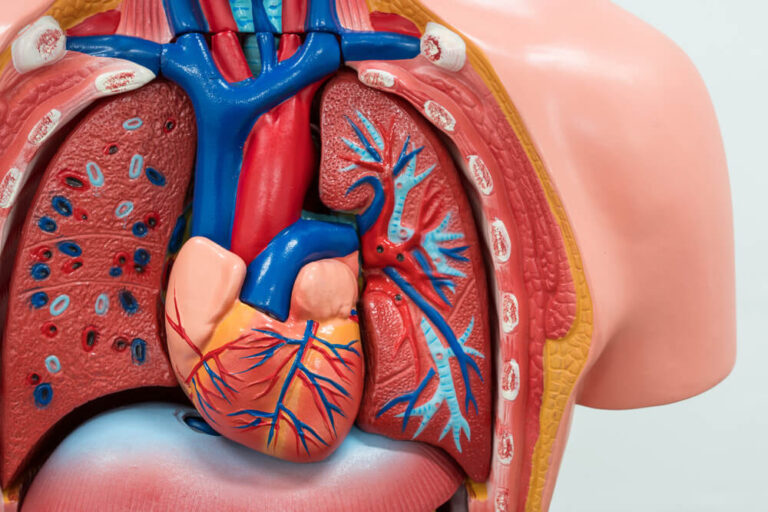
Vascular surgeons diagnose and manage conditions affecting arteries and veins, including:
- Peripheral artery disease (PAD)
- Aneurysms
- Carotid artery disease (CAD)
- Varicose veins
- Deep vein thrombosis (DVT)
Cardiologists focus on the heart while interventional radiologists primarily perform image-guided procedures. Vascular surgeons, on the other hand, are trained to provide comprehensive care.
When comparing vascular surgeon options, it is important to know that they offer both surgical solutions, such as bypass or repair, and non-surgical treatments. This includes medication management, lifestyle guidance, and the latest minimally invasive endovascular procedures available today.
Types of Vascular Care Settings in East Tennessee

Vascular surgeon options in East Tennessee offer several vascular care settings, and each one has its own advantages. For example, hospital-based vascular surgery departments are often best for complex cases because they connect imaging, surgery, and inpatient care, though wait times can be longer.
Private vascular surgery practices may provide more personal attention, easier scheduling, and consistent follow-up with the same surgeon. Outpatient vein clinics and specialty centers are usually a good fit for minimally invasive treatment and convenience, especially for vein-related issues. Academic, research, or teaching-affiliated providers can offer broad expertise and advanced care, but appointments may feel less streamlined.
Differences in Treatment Approaches
Vascular surgeons may use either open surgery or minimally invasive endovascular procedures, depending on the condition and how severe the problem is. Advanced imaging and diagnostic tools help providers pinpoint blockages, narrowing, or vein problems before choosing the best approach.
Open surgery is often reserved for more complex cases, while endovascular treatment uses small incisions and imaging guidance to repair or improve blood flow with less recovery time.
Some practices focus more on preventive care, helping you manage risk factors early, while others treat problems after symptoms appear. Strong patient education and long-term follow-up also matter for vascular surgeon options because vascular disease often requires ongoing management—not just one treatment.
Technology and Innovation
Technology and innovation play a big role in your vascular surgeon options, but they can vary by provider. Many practices now offer minimally invasive treatments such as:
- Angioplasty
- Stenting
- Laser vein procedures
These treatments can reduce recovery time and discomfort.
Ultrasound-guided techniques also help surgeons place devices more accurately and treat veins with greater precision.
Larger health systems or academic centers may have access to newer devices, broader imaging resources, or clinical trials that smaller practices do not. At the same time, private and outpatient centers may focus on efficient, high-volume care with proven techniques that work well for common vascular problems.
Provider Experience and Credentials
Board certification for vascular surgeon options shows that a surgeon has completed the required training and testing in the specialty. Fellowship training can also signal deeper experience with certain procedures or subspecialties, such as aneurysm repair or vein treatment.
Years of experience and procedural volume matter because surgeons who treat vascular disease often may be better prepared for complex cases and different treatment options. It’s also important to choose a surgeon with expertise in the specific condition being treated, whether that is PAD, carotid disease, aneurysms, or venous problems.
Insurance, Accessibility, and Convenience
Insurance, accessibility, and convenience can vary widely among vascular surgeon options in East Tennessee. Some practices accept a broad range of insurance plans. Others may be more limited, so coverage should be confirmed early.

Location also matters, especially for patients traveling from smaller towns to Knoxville, Oak Ridge, or Sevierville. Wait times, referral requirements, and scheduling speed can differ from one office to another. Ongoing follow-up care is important too, so it helps to choose a provider that offers clear communication, support services, and easy access for return visits.
A growing trend in healthcare is the development of ambulatory surgery centers (ASC). These centers emphasize a patient-focused approach to treatments and procedures, offering a one-stop shop for surgical care. Instead of navigating appointments at various clinics or in a hospital setting, an ASC provides all of that care in one convenient spot. APEX Vascular embraced this trend when opening our outpatient center in Lenoir City, the first specialized vascular center in Tennessee.
How to Choose the Right Vascular Surgeon in East Tennessee
Choosing among the vascular surgeon options in East Tennessee starts with asking direct questions during the consultation, such as:
- What treatments they recommend
- How often they perform the procedure
- What recovery may look like
Patient reviews and referrals can also help you spot patterns in communication, scheduling, and outcomes. Just as important is whether the surgeon explains things clearly and helps you feel comfortable.
The best choice often depends on matching the provider’s strengths to your specific condition, whether you need care for PAD, aneurysms, carotid disease, or vein problems.
Find Your East Tennessee Vascular Surgeon at APEX Vascular
You should compare vascular surgeon options based on experience, technology, and communication style. APEX Vascular stands out in East Tennessee by offering board-certified expertise, advanced minimally invasive care, and a patient-first approach across multiple locations.
We emphasize evidence-based treatment, modern surgical technology, and second-opinion consultation. These can be especially helpful when vascular options vary widely from one provider to another.
Our broad regional footprint and outpatient center make access easier for many families. To get started, schedule a consultation or seek a second opinion.

Vascular surgeons options in East Tennessee vary by setting, technology, and provider experience, making it important to choose based on expertise, access, and communication. APEX Vascular helps by offering advanced treatments, board-certified specialists, and convenient, patient-focused care across the region.
APEX Vascular is a vascular surgery and vein center with locations in Knoxville, Oak Ridge, Lenoir City, Sevierville, Crossville, Decatur, and Harrogate, TN. We are dedicated to delivering personalized, high-quality care that goes beyond medical treatment. Our exceptional vascular staff, boasting extensive experience in vascular surgery, works tirelessly to elevate the standards of patient care and contribute to your overall well-being. Visit us online or call us at 865-562-3232 to request an appointment today!