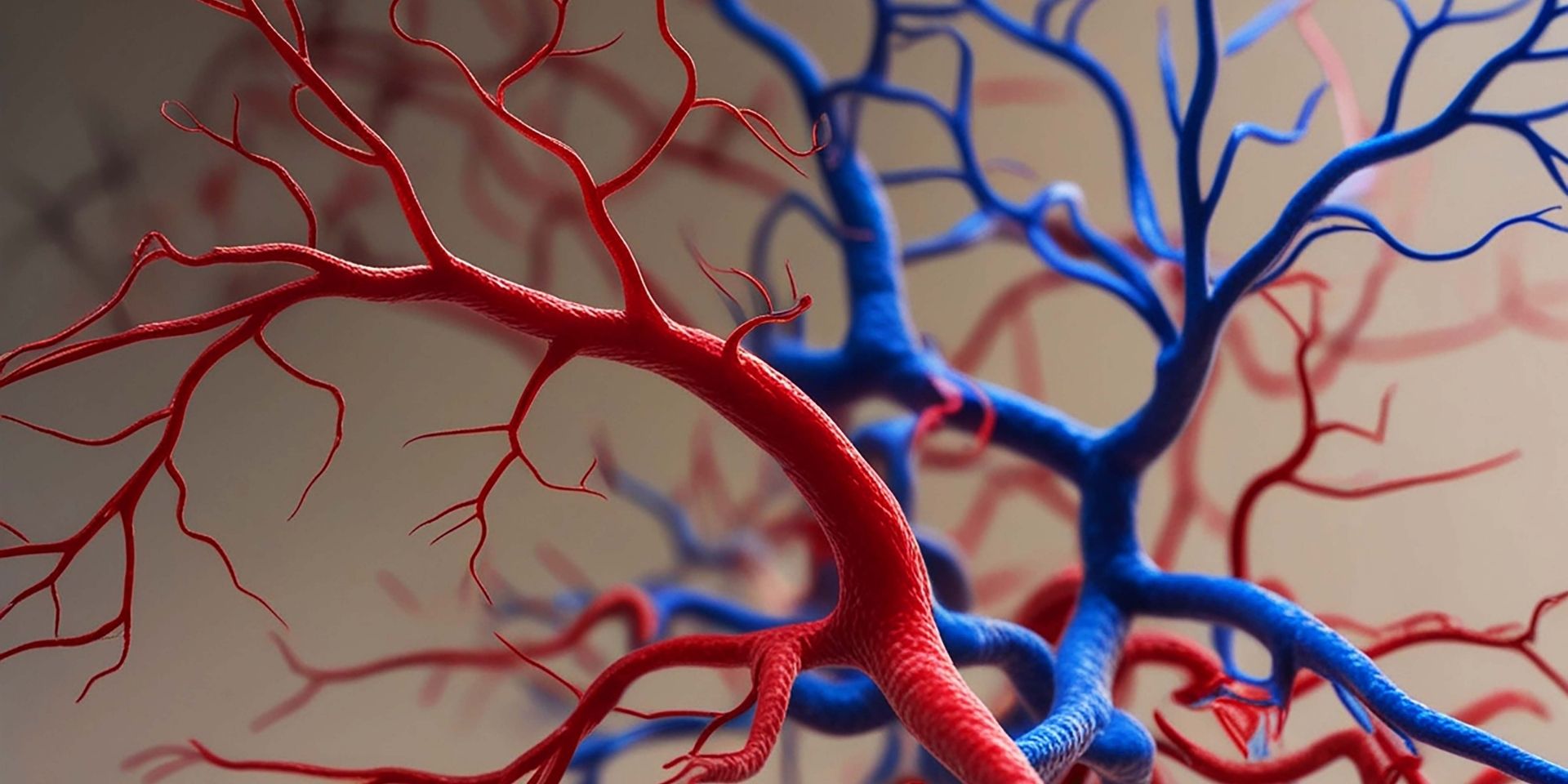
The circulatory system acts as the body’s transportation network, delivering oxygen and nutrients while removing waste. Within this system, arteries and veins serve different but complementary roles—arteries carry blood away from the heart, while veins return it. Together, they are essential for maintaining healthy circulation and overall well-being.
Arteries carry oxygen-rich blood from the heart to the body, while veins return oxygen-poor blood back to the heart, each with structures suited to their roles. These differences influence circulation and related conditions, from arterial plaque buildup to venous valve issues. Healthy habits and early detection are key, and free vein screenings from APEX Vascular help identify problems early and support overall vascular health.
Veins vs. Arteries
Veins and arteries both transport blood through the body. However, they have significant differences functionally and structurally. When it comes to veins vs. arteries, knowing the difference can help keep you in the best health possible.
What are arteries?
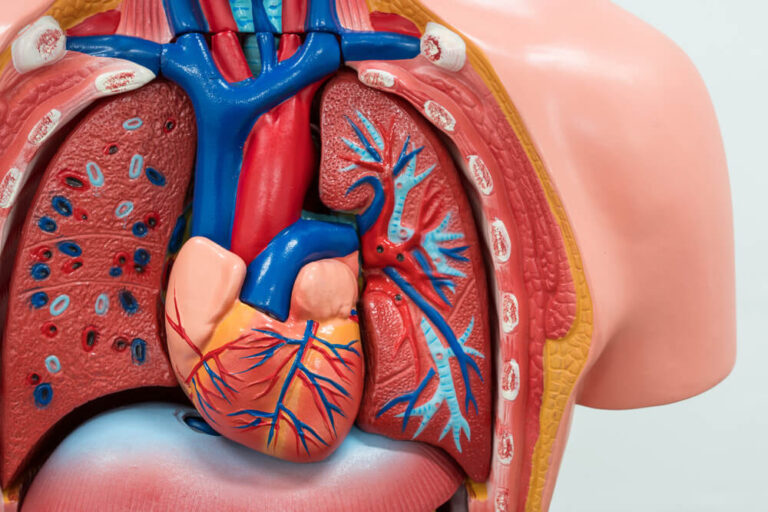
Arteries are blood vessels that carry oxygen-rich blood away from the heart to the rest of the body, supplying tissues with the oxygen and nutrients they need to function. The main exception is the pulmonary artery, which carries oxygen-poor blood from the heart to the lungs for oxygenation.
Structurally, arteries have thick, muscular, and elastic walls that allow them to withstand and regulate the high pressure generated by each heartbeat. This elasticity helps maintain steady blood flow as the heart pumps.
Functionally, arteries act as delivery channels, ensuring vital organs and muscles receive a constant supply of oxygenated blood. For example, during exercise, arteries widen (vasodilation) to increase blood flow to working muscles. This helps meet the body’s increased demand for oxygen and energy.
What are veins?
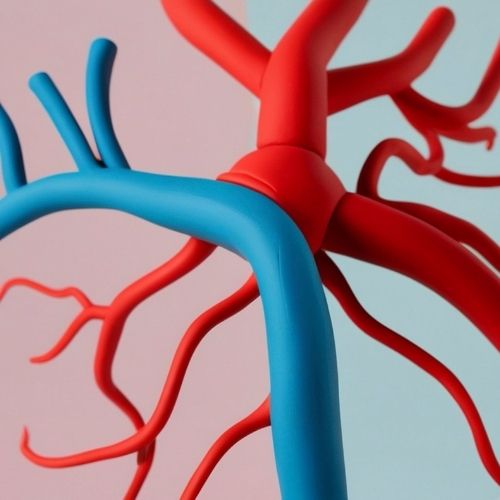
Veins are blood vessels that carry blood back to the heart, usually after it has delivered oxygen to the body’s tissues. In most cases, that blood is low in oxygen, though the pulmonary veins are an important exception because they carry oxygen-rich blood from the lungs to the heart.
Veins have:
- Thinner walls than arteries
- A wide inner space called a lumen
- One-way valves that help keep blood moving in the right direction
Their main job is to return blood to the heart so it can be sent to the lungs and reoxygenated. For example, the veins in your legs must work against gravity, so their valves and the squeezing action of nearby muscles help push blood upward and prevent it from flowing backward.
Key Differences Between Veins and Arteries
The structural differences between arteries and veins directly influence the types of health conditions that affect them. Arteries, with their thick, high-pressure walls, are prone to conditions like atherosclerosis (plaque buildup) and hypertension, which can restrict blood flow and increase strain on the heart.
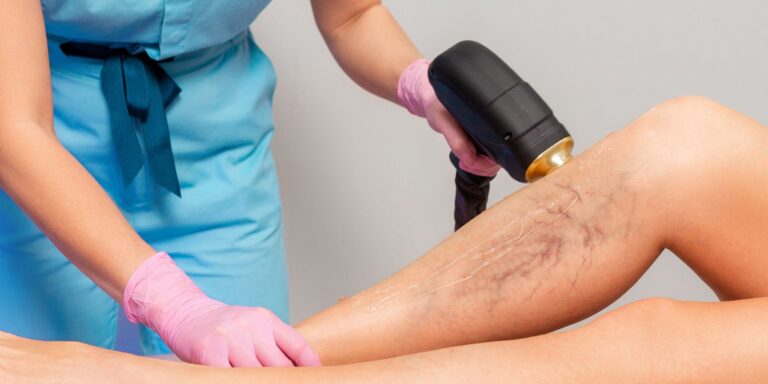
Veins, with thinner walls and reliance on valves, are more susceptible to issues such as:
These issues are often related to poor blood return or valve failure.
Because these vessels function differently, symptoms and treatments also vary. For example, arterial problems may cause pain with activity or lead to serious events like heart attack or stroke. On the other hand, venous conditions often involve swelling, aching, or visible vein changes.
Understanding these differences highlights the importance of healthy circulation, which is essential for delivering oxygen, removing waste, and supporting overall cardiovascular health.
Simple Ways to Support Healthy Circulation
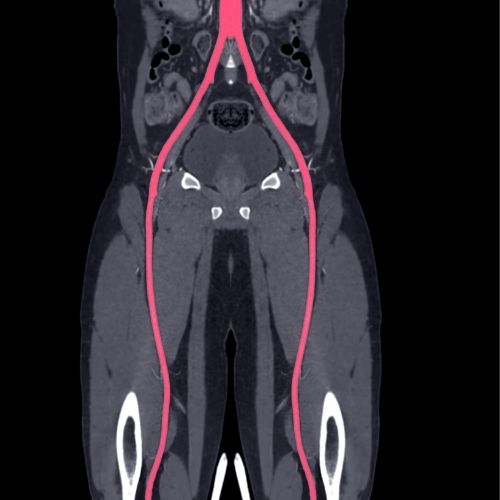
Supporting healthy circulation often comes down to consistent, practical habits. Regular movement and exercise help keep blood flowing efficiently, especially in the legs. Maintaining a healthy weight reduces strain on both arteries and veins, lowering the risk of related conditions.
It’s also important to avoid prolonged sitting or standing. Staying in one position can slow circulation and increase pressure in the veins. When recommended by a healthcare provider, wearing compression garments can improve blood flow and reduce swelling.
Routine medical checkups and vein screenings are equally important. They help detect early signs of vascular issues and allow for timely management before more serious complications develop.
Choose APEX Vascular for Vein Screenings in East Tennessee
Knowing how your circulation works and getting checked early can support healthier veins, healthier arteries, and better overall vascular health. Veins and arteries work together to keep blood moving efficiently throughout the body, with arteries carrying blood away from the heart and veins bringing it back for reoxygenation.
Understanding the difference between them can help you recognize early warning signs of circulation problems, such as:
- Swelling
- Pain
- Visible vein changes
The best way to protect vascular health is to stay active, pay attention to symptoms, and seek care early when something feels off.
Free vein screenings from APEX Vascular can help spot venous problems early, before they become harder to manage. Our initial screenings are free with a complimentary consultation.

Arteries move oxygen-rich blood from the heart, while veins carry oxygen-poor blood back, each structured for its function. These differences impact circulation and related health issues. Prioritizing healthy habits and early detection is important, and APEX Vascular provides free vein screenings to help catch concerns early and promote overall vascular health.
APEX Vascular is a vascular surgery and vein center with locations in Knoxville, Oak Ridge, Lenoir City, Sevierville, Crossville, Decatur, and Harrogate, TN. We are dedicated to delivering personalized, high-quality care that goes beyond medical treatment. Our exceptional vascular staff, boasting extensive experience in vascular surgery, works tirelessly to elevate the standards of patient care and contribute to your overall well-being. Visit us online or call us at 865-562-3232 to request an appointment today!