
Pregnancy brings remarkable changes to your body, but it can also bring uncomfortable vein symptoms. Varicosity in pregnancy often appears as enlarged, twisted veins in the legs, though some people also develop veins in the pelvic or vulvar area. Understanding why they form can help you find safe relief while expecting.
Pregnancy increases the risk of varicose veins because extra blood volume, hormonal changes, and pressure from the growing uterus can slow leg circulation. Seek care for sudden one-sided swelling, redness, severe pain, chest pain, or shortness of breath. APEX Vascular evaluates symptoms and provides treatment options after delivery.
Why Varicose Veins in Pregnancy Occur
Pregnancy increases the likelihood of varicose veins for several reasons. Your body produces more blood to support your developing baby, which places additional pressure on the veins. Hormonal changes can also relax vein walls, making it harder for the vessels to move blood efficiently back toward the heart.
As the uterus grows, it can put pressure on veins in the pelvis and lower body. This may slow circulation in the legs and allow blood to pool.
Other factors that raise the risk of developing visible veins include:
- Genetics
- A history of vein problems
- Carrying multiples
- Standing for long periods
- Having previous pregnancies
Although varicosity in pregnancy can be frustrating, it is common and often improves after delivery as blood volume and pelvic pressure return closer to normal.
Common Symptoms to Watch For
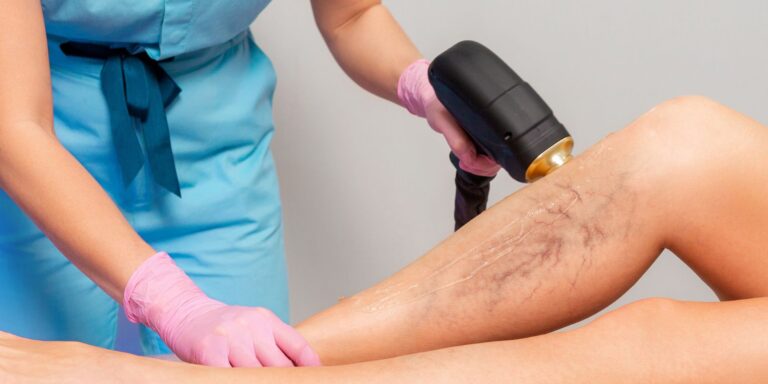
Some varicose veins are mainly a cosmetic concern, appearing as blue, purple, or raised veins beneath the skin. Others cause uncomfortable symptoms that may worsen later in the day, after prolonged sitting or standing, or during warmer weather.
Possible symptoms include:
- Aching, throbbing, or soreness in the legs
- A heavy, tired, or full sensation in the legs
- Mild swelling around the ankles and lower legs
- Itching, burning, or tenderness near visible veins
- Nighttime leg cramps or restless legs
- More prominent veins in the legs, vulva, or rectal area
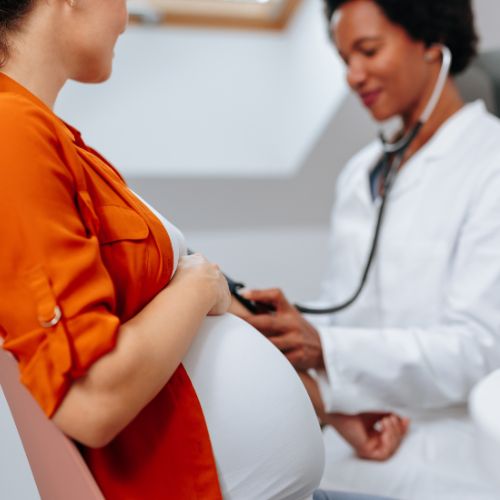
Varicosity in pregnancy should be discussed with your obstetric provider, especially if symptoms interfere with daily activity or sleep. Your provider can help distinguish typical pregnancy-related vein changes from symptoms that need more urgent evaluation.
Varicosity in Pregnancy: Safe Relief Measures
Most varicose vein treatment during pregnancy focuses on easing symptoms and supporting circulation rather than permanently removing veins. Simple habits can make a meaningful difference, particularly when used consistently throughout the day.
Try these pregnancy-safe relief strategies:
- Wear properly fitted compression stockings if your obstetrician or vascular specialist recommends them. They apply gentle pressure to support blood flow and may reduce swelling and heaviness.
- Avoid standing or sitting in the same position for long stretches. Take regular movement breaks, flex your ankles, and walk when possible.
- Elevate your legs when resting. Raising them above heart level for short periods may help reduce lower-leg pressure and swelling.
- Sleep on your left side when comfortable. This position may lessen pressure on major blood vessels in the abdomen.
- Choose low-impact movement, such as walking, swimming, or prenatal exercise approved by your obstetric provider.
- Wear comfortable shoes and loose clothing that does not constrict the waist, groin, or legs.
- Maintain a balanced pregnancy diet and follow your provider’s guidance for healthy weight gain.
For many patients, these measures help make varicosity in pregnancy more manageable until after childbirth.
When to Contact a Doctor
Call your obstetric provider immediately if you notice sudden or significant:
- Swelling in one leg
- Redness
- Warmth
- Severe pain
- A firm or tender area along a vein
- Shortness of breath
- Chest pain
- Coughing up blood
These symptoms can indicate a blood clot or another condition requiring immediate medical attention.
It’s also worth scheduling a nonemergency conversation if vein discomfort is persistent, visible veins are rapidly worsening, or swelling does not improve with rest. While varicose veins are often manageable, pregnancy can increase the risk of certain circulation problems. This makes individualized medical guidance all the more important.
A clinician may recommend an examination and, if appropriate, an ultrasound. Ultrasound can assess blood flow, identify poorly functioning valves, and help rule out other vein concerns. Don’t begin medication, supplements, or invasive vein procedures without discussing them with the medical professionals managing your pregnancy.
What Happens After Delivery?
Many visible veins and related symptoms lessen in the weeks and months following delivery. As pregnancy-related blood volume decreases and the uterus no longer compresses pelvic veins, circulation may improve. However, veins don’t always disappear completely, particularly if valve dysfunction or chronic venous insufficiency existed before pregnancy.
If a varicosity in pregnancy remains painful, swollen, itchy, or prominent after you have recovered from childbirth, a vascular evaluation can clarify the cause and available options. They can use ultrasound imaging to look for reflux, which occurs when weakened vein valves allow blood to flow backward and collect in the leg veins.
Treatment is typically considered after pregnancy, and timing may depend on recovery, breastfeeding plans, and your symptoms. Options for certain visible veins can include:
- Continued compression therapy
- Sclerotherapy
- Minimally invasive ablation procedures
- Ambulatory phlebectomy
A personalized evaluation helps ensure that treatment addresses the underlying circulation issue and not only the vein’s appearance.
Choose APEX Vascular for Postpartum Varicose Vein Treatment in East Tennessee
APEX Vascular provides focused care for persistent varicose veins after pregnancy. We use ultrasound to evaluate blood flow, identify faulty leg-vein valves, and check for contributing concerns such as deep vein thrombosis. This diagnostic approach supports treatment tailored to the source of discomfort, swelling, heaviness, or visible bulging veins.
Depending on your needs, options may include:
- Compression stockings
- Sclerotherapy
- Endovenous thermal
- Adhesive
- Mechanochemical ablation
- Ambulatory phlebectomy
These treatments can close or remove problem veins, improve circulation, and help lower venous pressure. Schedule an evaluation with APEX Vascular to discuss your symptoms and next steps.

Pregnancy-related changes can make varicose veins more common, causing enlarged visible veins, leg aching, heaviness, swelling, itching, or cramps. Seek prompt treatment for sudden swelling in one leg, redness, severe pain, chest discomfort, or shortness of breath. After childbirth, APEX Vascular assesses persistent symptoms and provides treatment options.
APEX Vascular is a vascular surgery and vein center with locations in Knoxville, Oak Ridge, Lenoir City, Sevierville, Crossville, Decatur, and Harrogate, TN. We are dedicated to delivering personalized, high-quality care that goes beyond medical treatment. Our exceptional vascular staff, boasting extensive experience in vascular surgery, works tirelessly to elevate the standards of patient care and contribute to your overall well-being. Visit us online or call us at 865-562-3232 to request an appointment today!