- Deep vein thrombosis can be triggered in multiple ways, such as inactivity, surgery, and lifestyle factors
- Staying active, maintaining a healthy weight, and making healthy lifestyle choices are key factors for how to prevent deep vein thrombosis
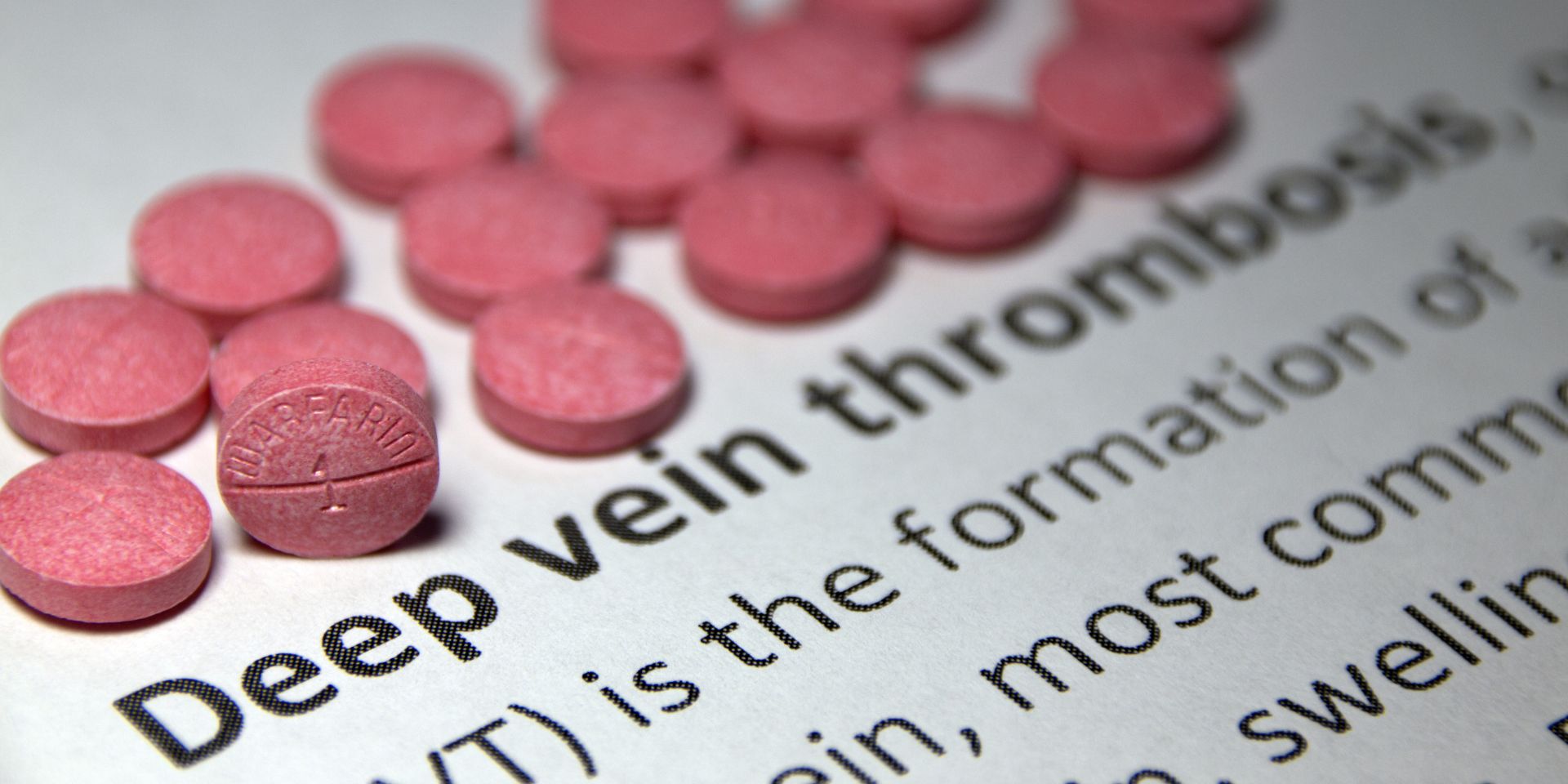
- Medical intervention may be necessary, including compression socks and medication
Knowing how to prevent deep vein thrombosis can help you improve your overall quality of life and prevent long-term complications. If left untreated, deep vein thrombosis can cause a potentially fatal pulmonary embolism if a clot travels to the lungs. Prevention is always safer and more effective than treatment, making it essential to take proactive steps to protect your health.
Risk Factors for Deep Vein Thrombosis
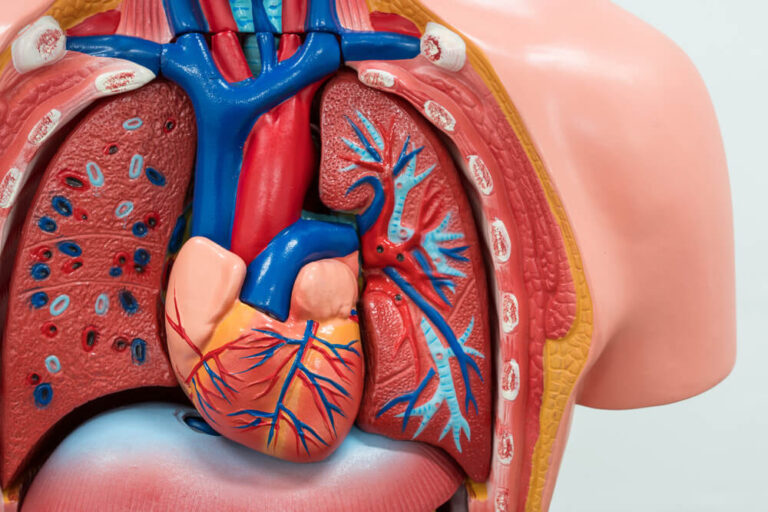
Deep vein thrombosis (DVT) occurs when a blood clot forms in a deep vein. Typically forming in the legs, DVT can block blood flow and lead to life-threatening conditions if the blood clot forms in the lungs.
Major risk factors include prolonged immobilization, such as during:
- Long flights or car trips
- Bed rest
- Paralysis
This is due to blood circulation slowing down, which increases the risk of clot formation.
Surgery and injury, especially of the legs or pelvis, can damage veins and trigger clotting. Risks increase for people over the age over 60, who are obese, or who are taking certain medications such as birth control pills or hormone therapy. A family history of blood clots and smoking add to a person’s risk, as well as cancer and genetic clotting disorders.
How To Prevent Deep Vein Thrombosis
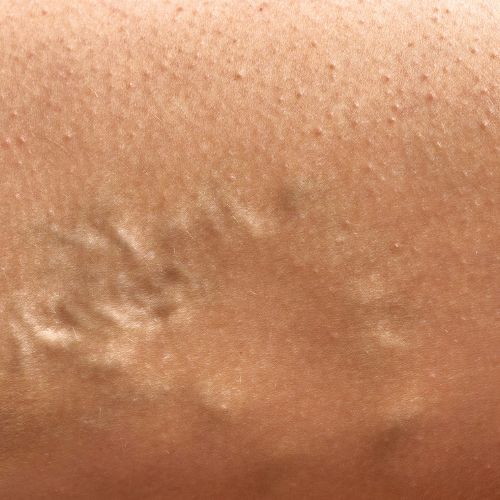
Certain lifestyle choices can substantially reduce your risk when attempting to prevent deep vein thrombosis. It’s improtant to stay active, since sitting or lying around for extended periods of time reduces blood flow.
A key factor in how to prevent deep vein thrombosis is to:
- Walk about frequently
- Stand up often
- Perform simple leg movements
It is also important to maintain a healthy weight. Obesity places additional stress on leg veins and raises the risk of clotting. Even a small loss of weight can improve circulation and lower risk.
Don’t smoke because tobacco smoking damages blood vessels and increases the risk of clots. Many health care providers have resources available to help you quit if needed. Hydrating is another essential step to prevent blood from becoming viscous and stagnant. This can cause clotting, particularly when you are resting or immobile for a long time.
Following these routines can reduce your risk of developing DVT.
Practical Tips During Travel
Traveling more than 3 to 4 hours increases the risk of deep vein thrombosis due to blood flow slowing down in the legs, increasing the likelihood of clots. Fortunately, you can prevent DVT while traveling by taking regular breaks for walking. Stand up and walk every 1–2 hours, or as frequently as possible, particularly on airplanes, trains, or buses.
While seated, do leg stretches such as ankle circles, heel raises, and pointing your toes to keep the circulation going. Avoid crossing legs and tight-fitting clothes, which slow down the flow of blood. Drink lots of water to be hydrated and avoid too much alcohol because it dehydrates and discourages you from moving.
If you have other risk factors, consider wearing compression stockings as advised by your doctor to lower your risk.
Medical Prevention Measures

Medical prevention for deep vein thrombosis is required in the case of high-risk patients who have experienced:
- Major surgery
- Severe illness
- Bed rest immobilization
Prevention starts with a risk assessment by your health professional to determine the best method.
Mechanical prevention is achieved through the use of compression stockings and intermittent pneumatic compression devices, which improve leg blood flow and are especially useful after surgery or where anticoagulants are not suitable. Pharmacological prevention involves anticoagulants (also called antithrombics) that seek to reduce risk of clot formation.
In the more serious instances, thrombolytic medications are used to break up clots. Surgical operations, such as the insertion of an inferior vena cava (IVC) filter, are reserved for anticoagulant-inadmissible or recurrent clot patients. However, these filters are mainly used as a last resort.
Choose APEX Vascular for DVT Treatment in East Tennessee
At APEX Vascular, we understand the serious risks of untreated DVT, including potentially life-threatening pulmonary embolism. That’s why we provide comprehensive treatment throughout East Tennessee.
Our experienced vascular specialists use advanced endovascular and surgical techniques to prevent dangerous complications. We work to educate you about treatment options and the risks of delaying care, creating personalized plans that instill confidence.
From your first consultation, we ensure that you feel heard and supported as we address your DVT before serious harm occurs.

Deep vein thrombosis risk increases with immobility, surgery, obesity, age, and certain medications. Knowing how to prevent deep vein thrombosis is crucial: stay active, maintain a healthy weight, avoid smoking, hydrate well, and use compression stockings if at risk. For expert care and personalized treatment, APEX Vascular in East Tennessee is here for you.
APEX Vascular is a vascular surgery and vein center with locations in Knoxville, Oak Ridge, Lenoir City, Sevierville, Crossville, Decatur, and Harrogate, TN. We are dedicated to delivering personalized, high-quality care that goes beyond medical treatment. Our exceptional vascular staff, boasting extensive experience in vascular surgery, works tirelessly to elevate the standards of patient care and contribute to your overall well-being. Visit us online or call us at 865-562-3232 to request an appointment today!