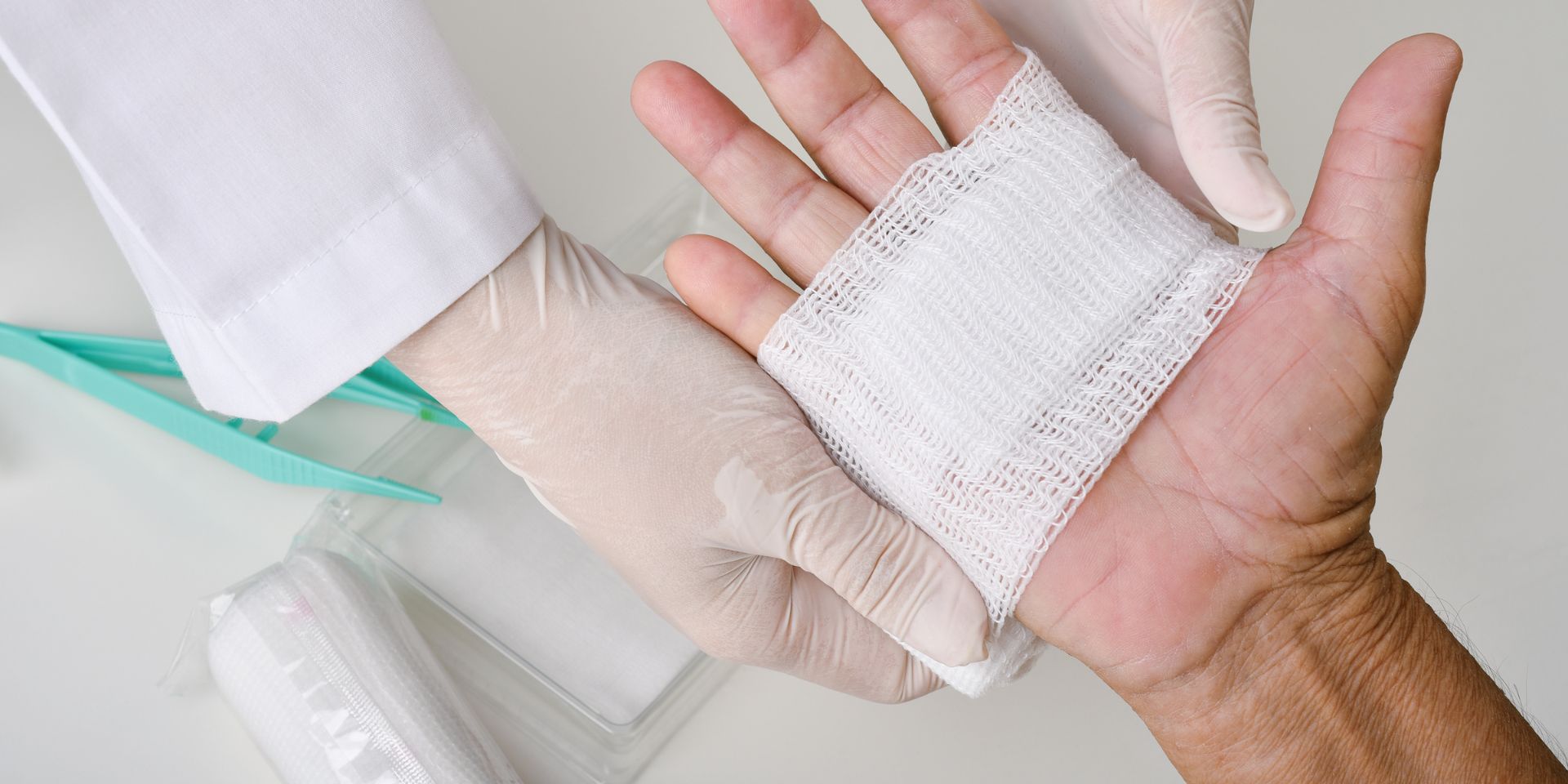
Non-healing wounds are injuries that resist traditional treatment and fail to close within weeks, often leading to infection or even amputation. Because these wounds frequently stem from poor circulation, vascular health plays a crucial role in recovery. Understanding how vascular specialists restore blood flow can greatly improve healing outcomes.
Wounds that fail to heal often stem from poor circulation, diabetes, or infection, leading to pain and risk of amputation. Restoring blood flow through vascular care promotes faster healing and prevents recurrence. APEX Vascular offers advanced, minimally invasive treatments to improve circulation and support lasting recovery.
Understanding Non-Healing Wounds
Non-healing (chronic) wounds are injuries that fail to progress through the normal stages of healing, typically lasting more than 30 days despite proper care. They often result from underlying conditions such as:
- Diabetes
- Poor circulation
- Infection
- Pressure ulcers
These wounds can cause severe pain, limited mobility, and emotional distress. They also increase the risk of amputation or systemic infection if left untreated.
Because the ability to heal depends greatly on blood supply and tissue oxygenation, understanding the connection between vascular health and wound recovery is essential to addressing the root cause and improving long-term outcomes.
The Vascular Connection
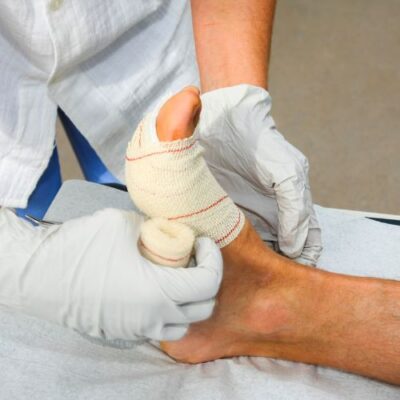
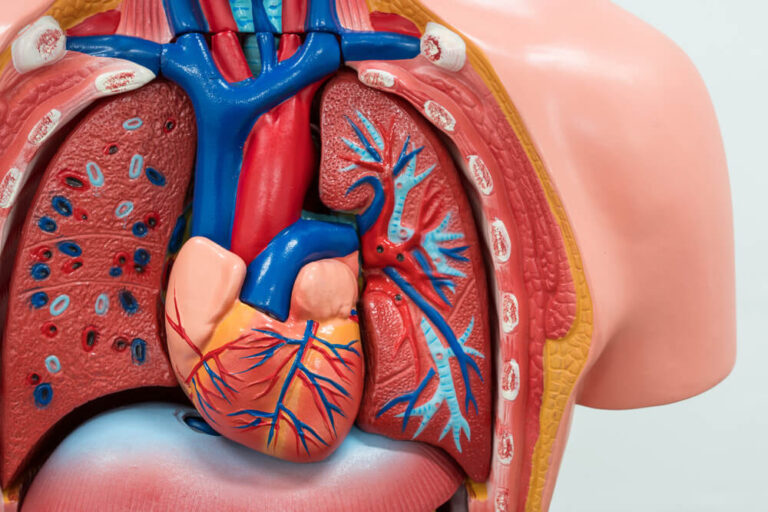
Healthy blood flow is vital for wound healing because it delivers oxygen and nutrients that help rebuild damaged tissue and fight infection. When arteries become blocked or narrowed—a condition known as peripheral artery disease (PAD)—circulation slows. This deprives the wound of what it needs to repair properly.
Poor blood flow can cause wounds to stall or worsen over time, even when treated with standard wound care methods. In many cases, vascular issues lie beneath the surface, so a wound that seems minor may actually signal deeper circulatory problems. Identifying and restoring healthy vascular function is often the key to successful, lasting wound recovery.
How Vascular Care Improves Healing of Chronic Wounds
Vascular care supports non-healing wounds by targeting poor circulation as the root cause, enabling faster recovery through precise diagnosis and treatment. Vascular specialists use advanced tools like:
- Ultrasound to visualize blood flow
- Ankle-brachial index (ABI) testing to measure circulation differences
- Angiography to pinpoint blockages in arteries
These diagnostics reveal hidden vascular issues that stall healing.
Once identified, restoring blood flow becomes key. In more severe cases, bypass surgery reroutes blood flow around completely blocked vessels.
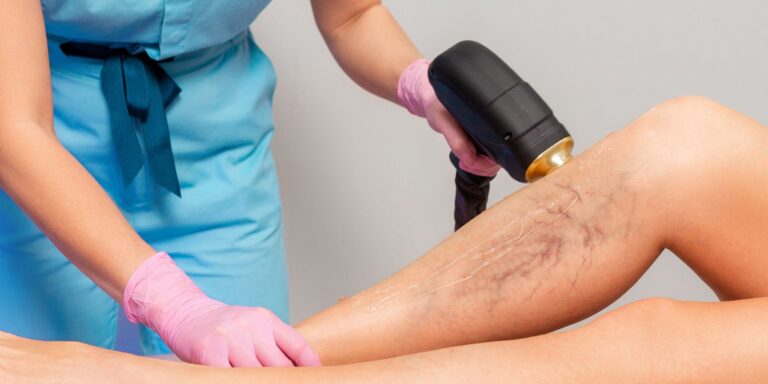
Less invasive treatments to restore blood flow include angioplasty, in which doctors inflate a small balloon inside narrowed arteries to widen them. They also use stenting to place a mesh tube that keeps the arteries open. These minimally invasive options dramatically improve oxygen and nutrient delivery to the wound site.
With circulation optimized, vascular teams collaborate with wound care centers for advanced therapies like debridement to remove dead tissue, skin grafts for coverage, or biological therapies. These steps accelerate tissue repair, reduce infection risk, and prevent recurrence by addressing both the vascular deficit and the wound itself.
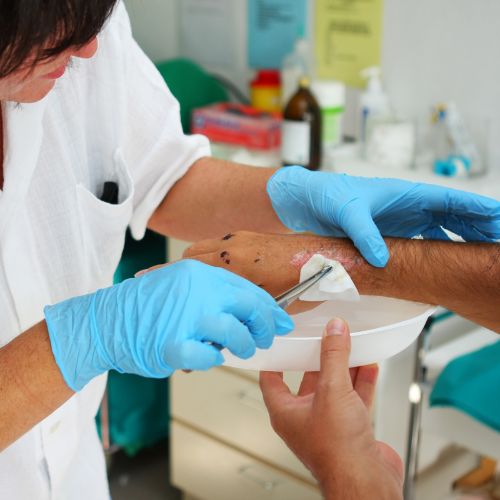
Patient Benefits
Vascular care brings key benefits to patients with non-healing wounds by restoring proper blood flow, which improves tissue oxygenation and nutrient delivery essential for repair. This enhanced circulation strengthens the immune response to significantly reduce infection risk and the potential need for amputation.
Patients also enjoy faster wound closure—often within weeks—and lower recurrence rates compared to standard care alone, promoting better mobility and quality of life. For instance, many with diabetic ulcers see full healing after angioplasty, avoiding severe outcomes like tissue loss.
When to Seek a Vascular Evaluation for a Chronic Wound
Seek vascular evaluation for non-healing wounds if you notice key signs of circulation issues, such as:
- Slow or stalled progress despite consistent wound care
- Cool skin around the wound
- Discolored areas like pallor or blueness
Leg pain during walking, known as claudication, also signals poor blood flow that impairs healing.
These symptoms indicate underlying vascular problems that standard treatments can’t fix alone. Consulting a vascular specialist early allows for circulation assessment through tests like ultrasound or ABI, preventing complications like infection or amputation.
Don’t delay—prompt intervention can restore blood flow and promote recovery.
Choose APEX Vascular for Chronic Wound Care in East Tennessee
Vascular health is vital for wound recovery because it ensures oxygen and nutrients reach damaged tissue. At APEX Vascular, we specialize in preventing and treating severe complications of non-healing wounds like gangrene–often the end-stage of untreated vascular disease.
Our team restores blood flow through:
- Minimally invasive procedures
- Bypass surgery
- Advanced wound care
- Infection control
These strategies serve to preserve limbs whenever possible.
Seek APEX Vascular’s specialized care early for lasting healing and to avoid amputation. Contact them today for prompt evaluation.

Non-healing wounds often stem from poor circulation, diabetes, or infection, causing pain and increasing amputation risk. APEX Vascular provides advanced, minimally invasive treatments like angioplasty and bypass surgery, restoring blood flow is essential for recovery, enhancing circulation, speeding healing, and helping you achieve lasting wound recovery.
APEX Vascular is a vascular surgery and vein center with locations in Knoxville, Oak Ridge, Lenoir City, Sevierville, Crossville, Decatur, and Harrogate, TN. We are dedicated to delivering personalized, high-quality care that goes beyond medical treatment. Our exceptional vascular staff, boasting extensive experience in vascular surgery, works tirelessly to elevate the standards of patient care and contribute to your overall well-being. Visit us online or call us at 865-562-3232 to request an appointment today!